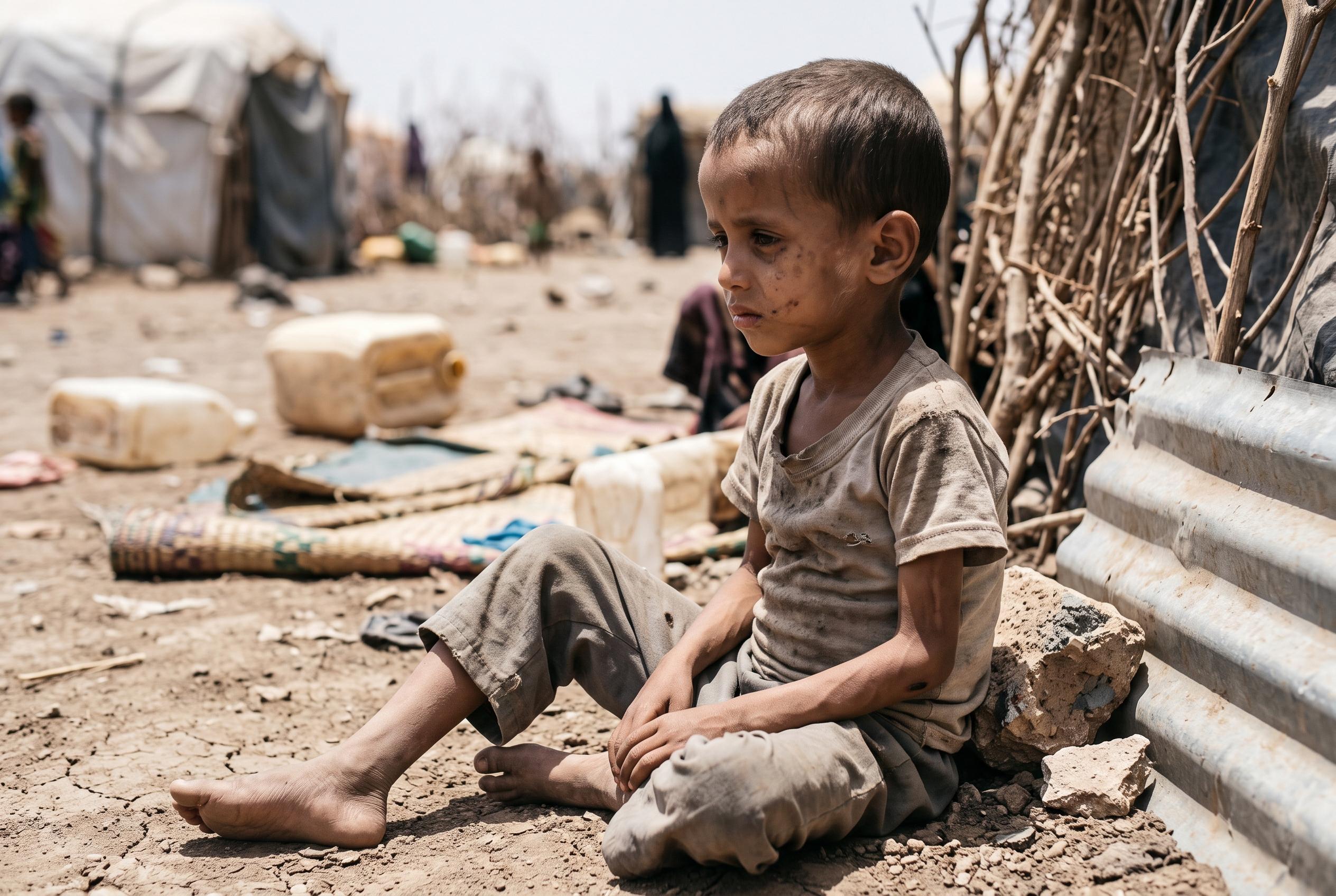

Over 825,000 children in Sudan face imminent death from severe acute malnutrition amid escalating conflict, drought, and restricted humanitarian access, prompting urgent calls for life-saving intervention.
UNICEF has warned that more than 825,000 children in Sudan face the risk of death from severe acute malnutrition this year as fighting, drought and blocked access to affected areas deepen the country’s child crisis. Speaking on Cairo News, Mira Nasser, UNICEF’s spokeswoman in Sudan, said the most urgent priority is reaching children quickly with nutrition treatment, because those suffering from acute malnutrition cannot wait for security conditions to improve or for humanitarian corridors to open.
Nasser said malnutrition weakens children’s ability to fight disease, turning otherwise preventable or treatable illnesses into fatal conditions. UNICEF has described malnutrition as preventable, while noting that around 3 million children under five in Sudan suffer from it each year, including more than 610,000 with severe acute malnutrition. The agency says timely treatment can save lives and help children recover before their condition becomes critical.
The scale of the wider humanitarian emergency remains severe. UNICEF’s Sudan annual results report for 2023 said 14 million children needed urgent assistance, while its humanitarian response overview said the conflict had pushed child needs to unprecedented levels, with 13.6 million children requiring help. The war has also driven massive displacement, with UNICEF describing Sudan as the world’s largest child displacement crisis and reporting that more than 3 million children had fled violence by late 2023.
Nasser said the fighting has shifted across Sudan, making access particularly difficult in Darfur and Kordofan, where some areas are near famine conditions. She said repeated displacement pushes families into places already short of healthcare, clean water and sanitation, fuelling disease and increasing the need for life-saving aid. UNICEF has reported that its partners have reached millions of people with health supplies, safe water and malnutrition screening, but the agency says schooling also remains in crisis, with more than 8 million children out of education and urgent work needed to reopen schools, provide teachers and create safe alternatives where regular classes cannot resume.
Disclaimer: This content is for informational purposes only and is not intended to be a substitute for professional medical judgment, advice, diagnosis, or treatment.