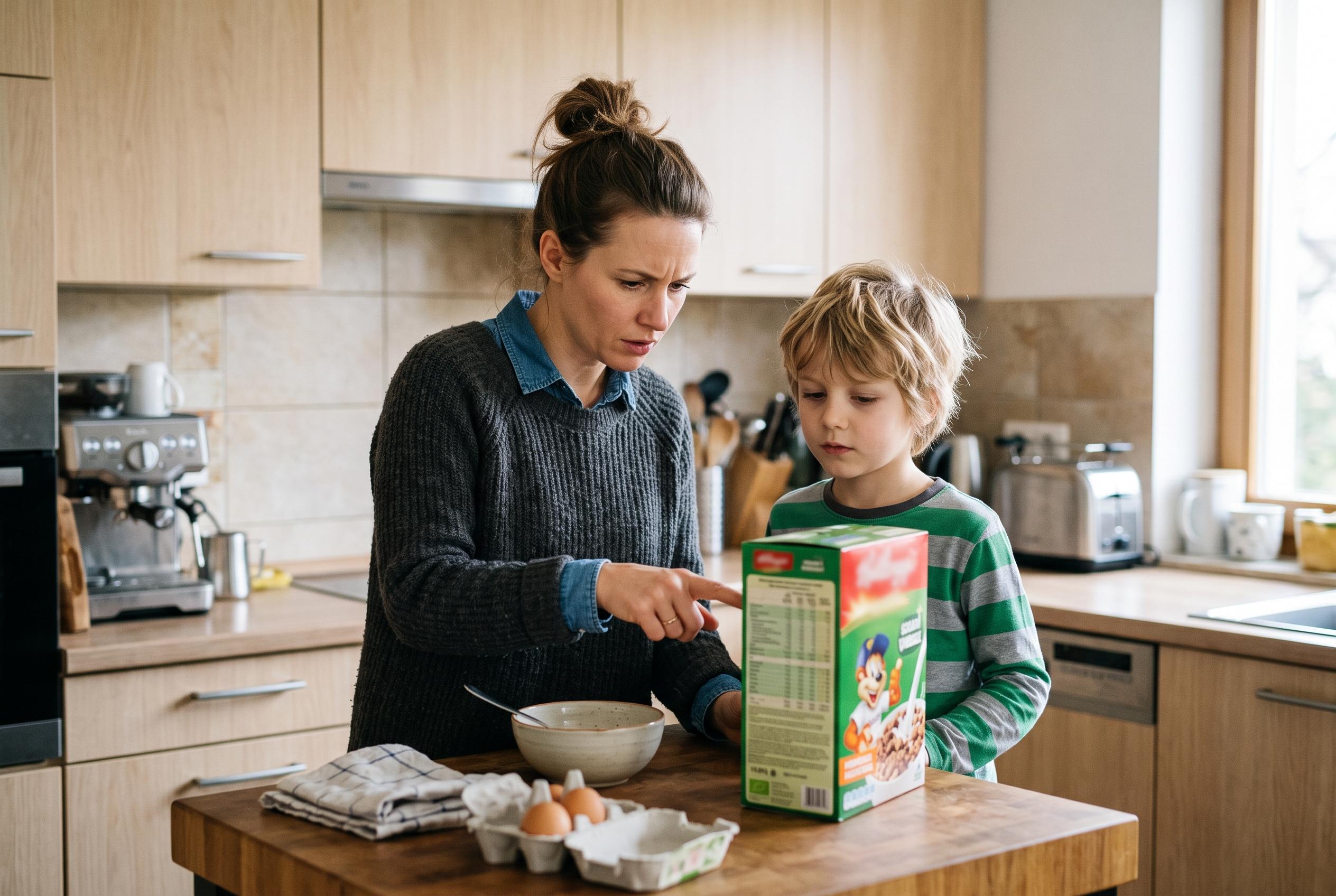

Consumer advocates in Slovenia raise concerns over persistent high sugar content and unhealthy marketing tactics in popular children’s breakfast cereals, despite slight improvements since 2021. Meanwhile, schools are encouraged to promote healthier eating under a new scheme opening for applications.
As the new school year begins in Slovenia, consumer advocates are again warning parents to look past colourful packaging and health claims when choosing breakfast cereals for children. The Consumer Protection Association of Slovenia said a recent review of popular children’s cereals found that, despite small improvements, the products still contain too much sugar and are still marketed in ways that appeal directly to children.
The association’s latest check compared ten cereals already reviewed in 2021 and found that average sugar content has edged down only slightly, from 24g to 22.9g per 100g. Even so, that still leaves every product above the World Health Organisation’s threshold for children’s breakfast cereals. It also said the average serving recommended on pack is 30g, a portion it considers too small to satisfy many children, meaning the amount eaten in practice is often much larger. While the average fibre content remained broadly unchanged at 6.1g per 100g, the association noted that a typical serving delivers far less fibre than sugar.
Packaging remains part of the problem. According to the association, most of the cereals still feature cartoon characters or other child-focused imagery, and half continue to carry nutrition claims or other front-of-pack messages that can make the product seem healthier than it really is. The group advised families to check the nutrition table and ingredients list on the back of the pack, compare figures per 100g, and favour cereals with less than 15g of sugar and at least 6g of fibre. It also suggested softening sweet cereals by mixing them with plain oats or other unsweetened wholegrain cereals and adding fruit, nuts or seeds.
Separately, the Slovenian Agency for Agricultural Markets and Rural Development said schools can apply electronically from 1 September to 1 December 2026 for the School Scheme covering the 2027/2028 year. The programme is designed to encourage children and teenagers to eat more fruit, vegetables, milk and dairy products and to build healthier eating habits. Applications must be submitted through the E-kmetija platform, and the agency urged interested schools and other eligible applicants to file on time to secure participation.
Disclaimer: This content is for informational purposes only and is not intended to be a substitute for professional medical judgment, advice, diagnosis, or treatment.