

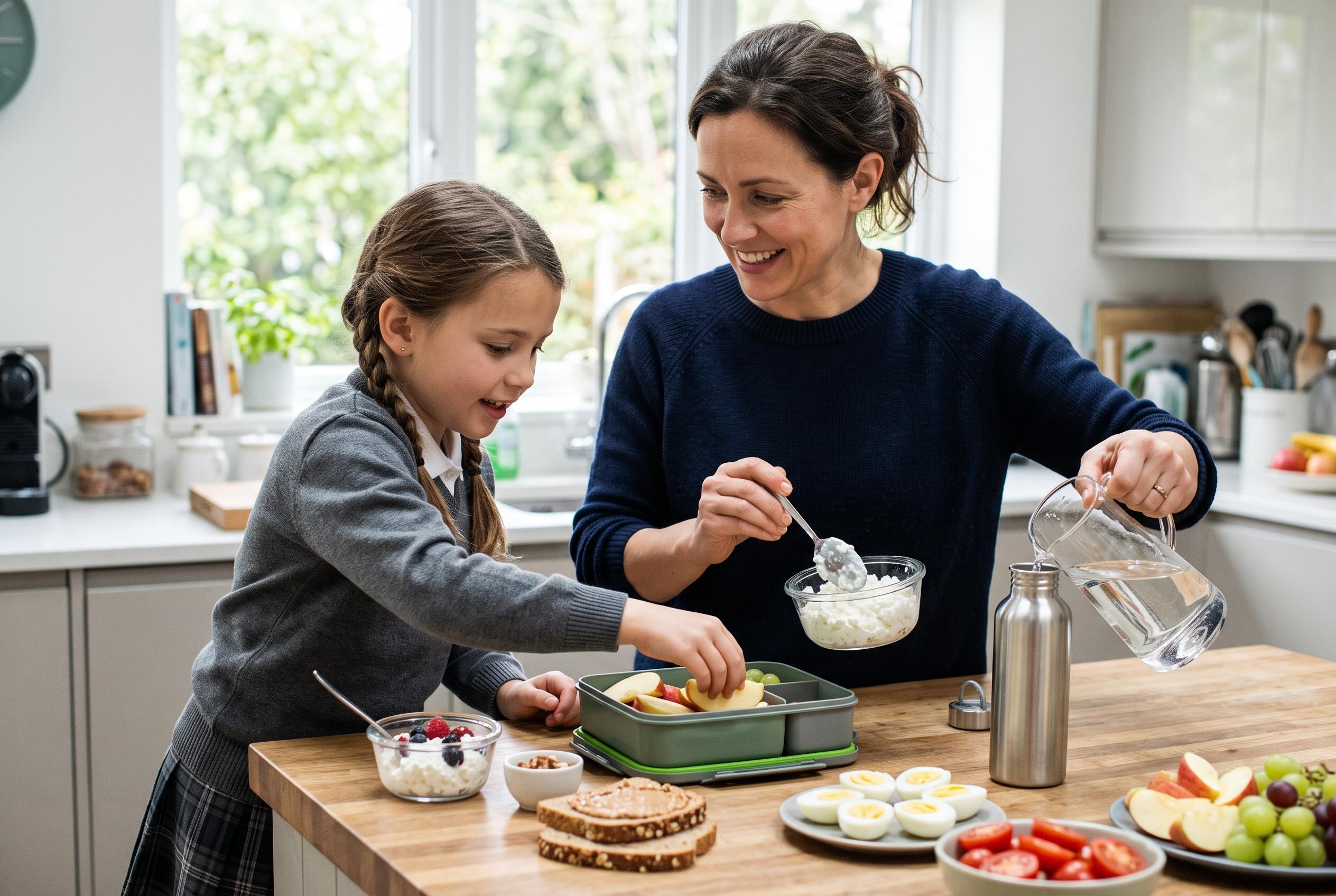

Parents are encouraged to prioritise balanced, easy-to-prepare snacks rich in protein, healthy fats, and vital nutrients to support children’s concentration and cognitive development during school hours, while emphasising hydration and whole foods over processed treats.
Children and teenagers need a steady supply of energy and nutrients to get through the school day and long study sessions, and the easiest place to start is with snacks that do more than simply satisfy a sweet craving. Rather than relying on biscuits, crisps or sugary drinks, parents can offer foods that combine protein, healthy fats, fibre and key vitamins and minerals, which help support the body and the brain at the same time. The basic idea, as OnlyMyHealth and paediatric health resources explain, is not that one snack will suddenly sharpen intelligence, but that a balanced diet, enough water and proper sleep all work together to support concentration and day-to-day performance.
Among the most practical options are yoghurt with fruit and a small handful of unsalted nuts, banana with peanut butter, and boiled eggs served with sliced vegetables. Healthline notes that eggs are particularly valuable because they provide choline, vitamin B12, protein and selenium, nutrients associated with brain development and cognitive function, while paediatric nutrition guidance from Children’s Health and WebMD also points to dairy foods, fruit, vegetables and lean proteins as useful building blocks for healthy brain function. These foods are easy to pack, simple to prepare and more filling than sweets alone.
Other sensible choices include oats with milk and fruit, nuts and seeds for older children and teenagers, homemade popcorn with little salt or oil, apple slices with cheese, hummus with cucumber, carrots and peppers, and small sandwiches made with whole-grain bread. The Children’s Hospital of Philadelphia says healthy eating patterns that favour fresh foods, whole grains, vegetables and lean proteins can help support brain health, while Medical News Today highlights the value of foods that supply omega-3 fats, vitamins and minerals. That makes simple, familiar snacks more useful than heavily processed alternatives, especially during long afternoons of homework or revision.
Hydration matters just as much as food. Water should be the first drink parents encourage, particularly when children are studying, because even mild dehydration can affect alertness and daily activity. Milk can also be a nutritious choice, and fruit juice is best kept to modest portions, with whole fruit preferred because it provides fibre and greater satiety. OnlyMyHealth also cautions against energy drinks and other high-caffeine beverages for children and adolescents, noting that leaning on stimulants instead of sleep and balanced meals can disrupt rest and undermine concentration.
The wider message is straightforward: children do not need exotic superfoods to stay focused. They need regular meals and snacks that are varied, simple and age-appropriate, with an emphasis on protein, whole grains, fruit, vegetables and healthy fats. For younger children, that may mean avoiding whole nuts because of choking risk and serving them in safer forms, while older children may do well with more portable snacks that fit into school routines. In practice, the best study fuel is usually the most ordinary one, prepared with balance in mind.
Disclaimer: This content is for informational purposes only and is not intended to be a substitute for professional medical judgment, advice, diagnosis, or treatment.



