

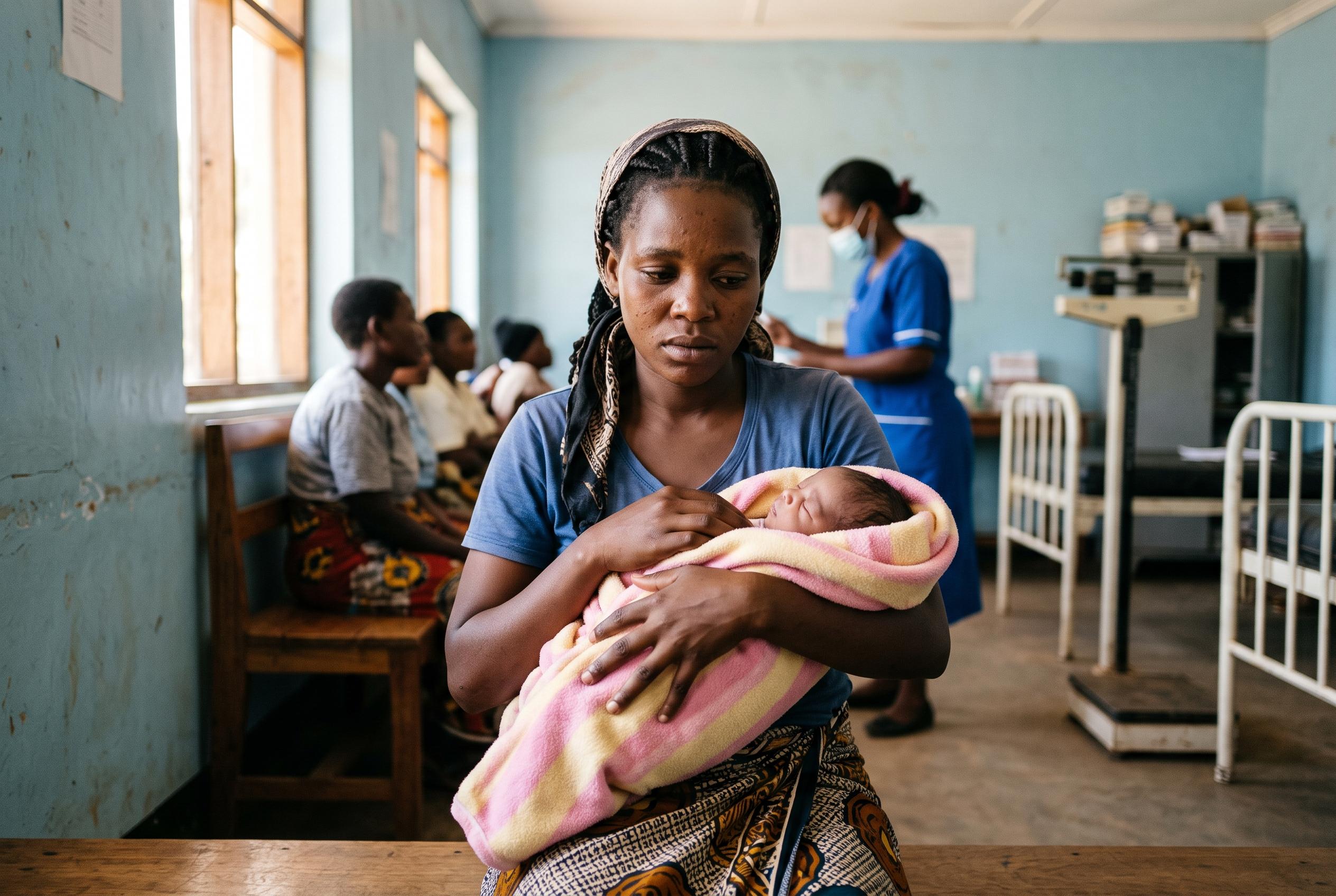

A study in two Dodoma clinics found iron deficiency anaemia in 11.58% of preterm infants aged three to six months, with severe maternal anaemia, very low birth weight, multiple gestation and lack of iron supplementation among the strongest associated factors.
Iron deficiency anaemia affected 11.58% of preterm infants aged three to six months in clinics in Dodoma, Tanzania, according to a facility-based study published in Frontiers in Pediatrics. Researchers followed 190 eligible infants seen at Dodoma Regional Referral Hospital and Makole Health Centre between 1 August 2023 and 1 January 2024, looking for factors linked with the condition in a group already considered vulnerable because of their early birth.
The study found that four characteristics stood out after statistical adjustment: very low birth weight, no iron supplementation, multiple gestation and maternal haemoglobin below 7 g/dL before delivery. The strongest association was seen in infants whose mothers had severe anaemia before birth, while very low birth weight and multiple gestation also carried sharply higher odds. The researchers noted, however, that a cross-sectional design can show links, not cause and effect.
The investigators screened 202 infants before narrowing the sample to 190. Twelve were excluded because of fever or a recent blood transfusion, and others were ruled out because of certain congenital anomalies or signs of acute illness. Of the final group, 139 came from the referral hospital and 51 from the health centre. The average age was just over four months, and a little more than half of the infants were girls.
Most of the babies in the study were exclusively breastfed, and nearly all had received iron supplementation. Even so, the condition was more common among infants who had not been supplemented, those born after multiple pregnancies and those with lower birth weights. In simple comparisons, iron deficiency anaemia affected 60% of infants without supplementation, compared with 7.4% of those who had received it. It also appeared far more often among infants whose mothers had severe anaemia before delivery.
The authors compared their findings with reports from other countries, including Sweden, Kenya, Turkey, Brazil and Indonesia, and said differences in gestational age, birth weight, age at assessment and supplementation practices make direct comparisons difficult. They also stressed the limits of the evidence: convenience sampling, the small number of infants in some categories and the fact that the study was confined to two facilities all reduce how far the results can be generalised. Even so, the paper argues that early screening, better iron supplementation and closer attention to maternal anaemia could help reduce risk in preterm infants, a group in which iron deficiency can affect growth, immunity and neurodevelopment.
Disclaimer: This content is for informational purposes only and is not intended to be a substitute for professional medical judgment, advice, diagnosis, or treatment.



