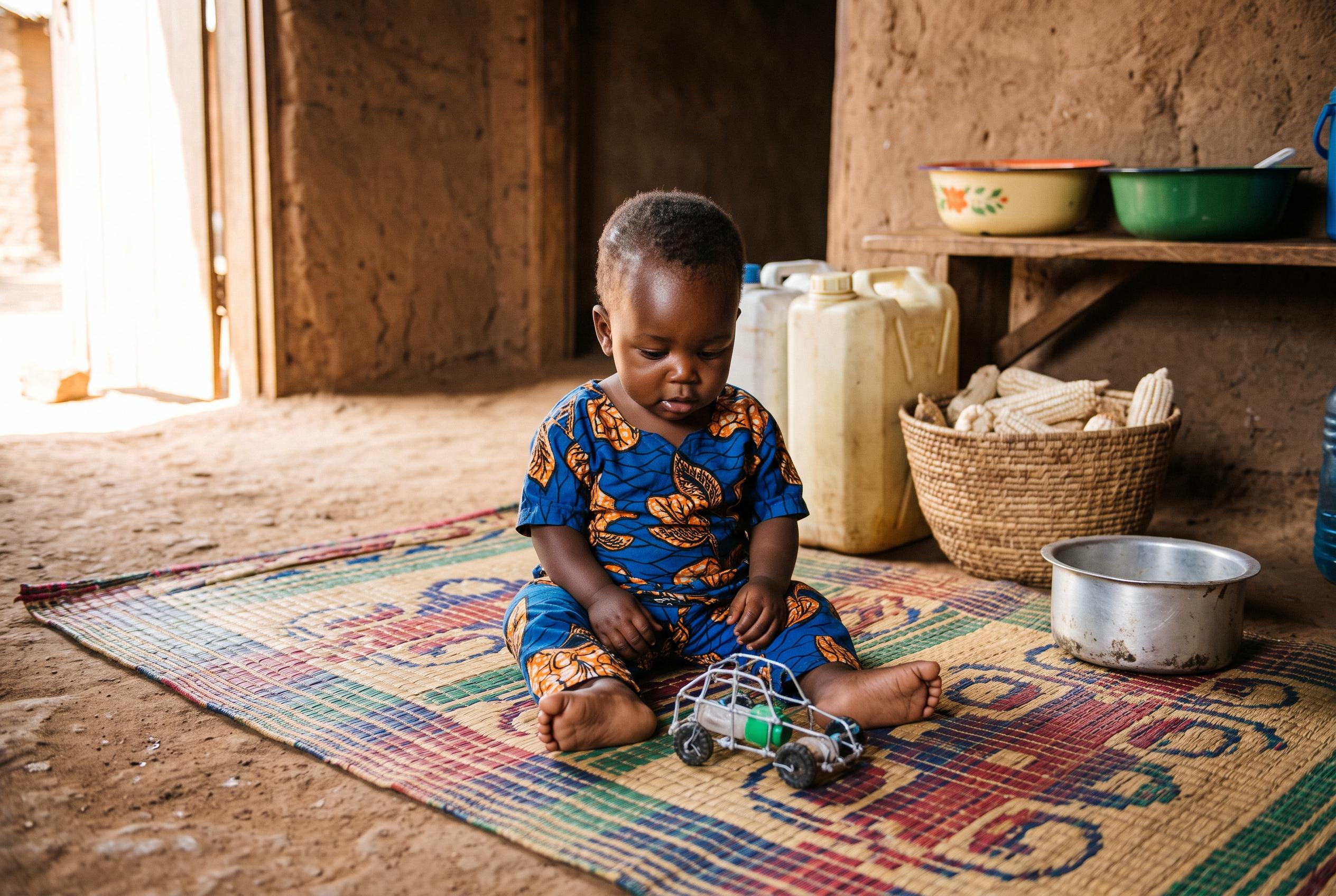

A large randomized trial in Malawi reveals that giving routine iron supplements to infants in malaria-endemic areas does not improve cognitive, language or motor development, even with malaria prevention measures in place.
Routine iron supplements given to infants in malaria-endemic parts of Malawi did not improve cognitive development, even when paired with malaria prevention, according to a randomised trial published in JAMA.
The study, led by Kamija S. Phiri of the Training and Research Unit of Excellence in Blantyre, followed 2,168 infants enrolled at about 6 months of age between April 2020 and October 2021. Around 71% were anaemic at the start and nearly half were girls. Researchers assigned children for 6 months to one of four regimens: iron syrup with malaria chemoprevention, iron-containing multiple micronutrient powder with malaria chemoprevention, malaria chemoprevention alone or placebo.
Children were assessed at 12 months and again at 18 months using the Bayley Scales of Infant and Toddler Development, Third Edition, a standard measure of early cognitive, language and motor development. Neither form of iron supplementation improved cognitive scores compared with malaria chemoprevention alone at either time point. There were also no meaningful differences in language or motor outcomes.
The interventions did, however, raise ferritin levels, showing that iron stores improved. Even so, that biological change did not translate into fewer cases of anaemia or better developmental scores during the study period. Malaria chemoprevention on its own reduced malaria incidence versus placebo, confirming its protective effect, while the addition of iron did not increase malaria or other infections.
The findings add to a broader debate over whether universal iron supplementation in early childhood is the best way to support development in settings where anaemia and malaria are both common. Previous evidence, including a Cochrane review, has suggested that iron does not necessarily raise malaria risk when prevention and treatment services are in place, but the cognitive benefits of routine supplementation have remained uncertain. In that context, the Malawian trial suggests that improving iron status alone may not be enough to boost neurodevelopment, and that future work will need to identify which children are most likely to benefit.
Disclaimer: This content is for informational purposes only and is not intended to be a substitute for professional medical judgment, advice, diagnosis, or treatment.