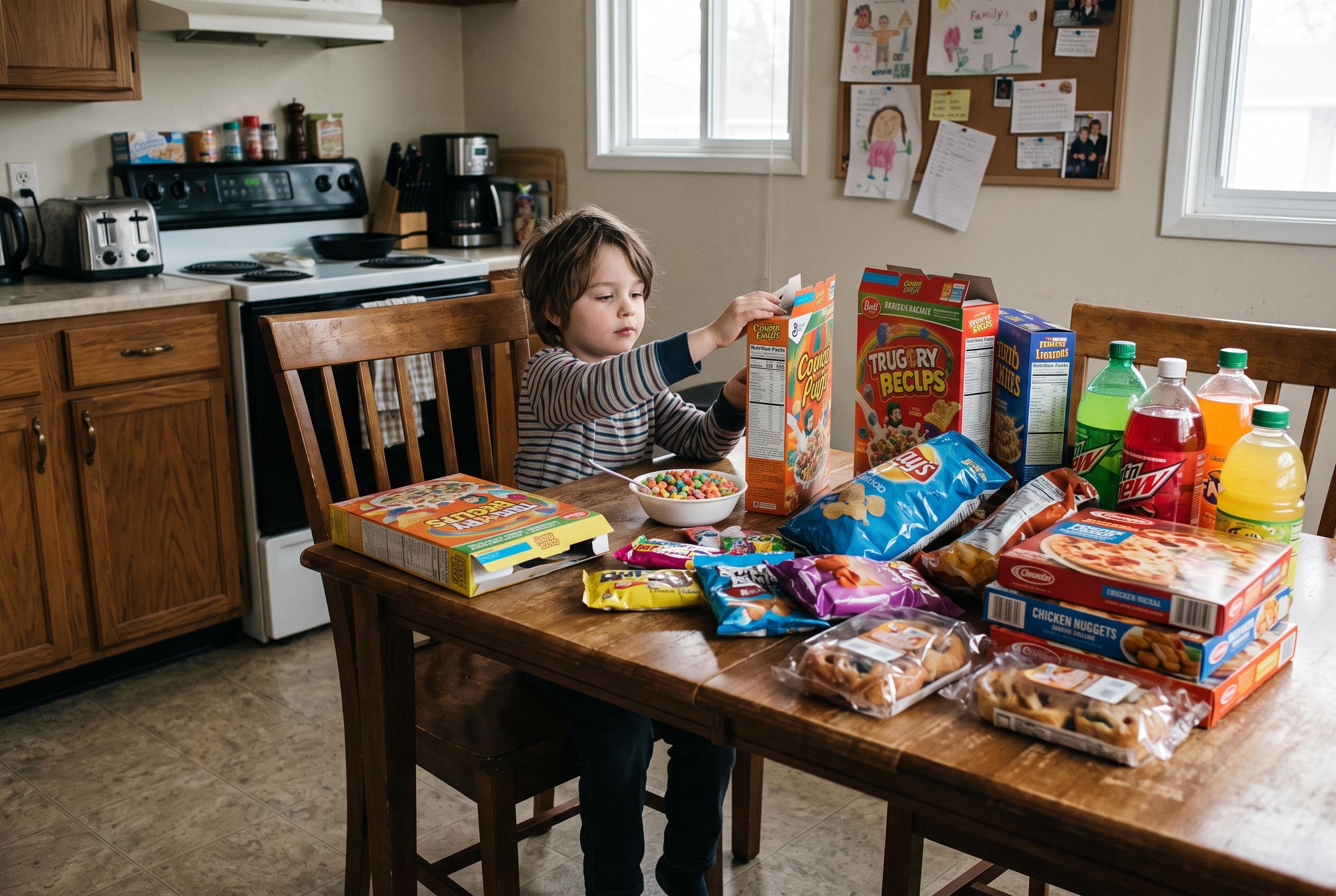

Processed and ready-made foods have become a staple in many children’s diets, driven by convenience and aggressive marketing, with health experts warning of the significant risks associated with high consumption of ultra-processed foods.
Processed and ready-made foods have become a routine part of many children’s diets, driven by their easy availability, aggressive marketing aimed at young consumers and flavours engineered to be highly appealing through high levels of sugar, salt and fat. Researchers and paediatric health experts say that combination makes these products far more attractive than fresh food, especially when families are pressed for time.
The health concerns are substantial. According to the National Institutes of Health, highly processed foods made up about two-thirds of the calories consumed by U.S. youths in 2018, a pattern linked to rising obesity and other health problems. A review published in Obesity Pillars found a similar share of energy intake among children and described ultra-processed foods as industrially manufactured products that are typically high in sugars, unhealthy fats and sodium but low in essential nutrients.
Specialists say that kind of diet can crowd out the foods children need for growth and development. Children’s Health noted that ultra-processed snacks and cereals are often cheap, convenient and shelf-stable, which helps explain their popularity, but a diet heavy in them can raise the risk of obesity, high blood pressure and elevated blood sugar. Other concerns include tooth decay, digestive problems and deficiencies in vitamins and minerals when these products replace balanced meals.
Evidence from long-term studies also suggests the risks can extend into adulthood. A 17-year study of more than 9,000 British children, reported by CNN Arabic, found that heavier consumption of ultra-processed foods was associated with greater weight gain and a higher likelihood of obesity later in life. Separately, a study covered by Al Jazeera linked high intake of such foods in children to a greater risk of heart disease.
Health experts say the answer starts at home. Families can reduce the risks by making nutritious food part of daily life, serving balanced home-cooked meals, encouraging fruit and vegetables and limiting sugary drinks and heavily processed snacks. Once fast food and packaged meals become a habit, they can be difficult to dislodge later in life.
Disclaimer: This content is for informational purposes only and is not intended to be a substitute for professional medical judgment, advice, diagnosis, or treatment.