
While breakfast is often hailed as a health-essential, recent insights emphasise the importance of food quality and personal routines in maximising its benefits. A balanced, tailored approach may be more beneficial than a one-size-fits-all breakfast rule.
Breakfast has long been cast as a nutritional hero, but the more useful question is not whether everyone must eat it, but what the first meal of the day actually contributes. The article from Healthtian argues that breakfast can support health, yet its real value depends on food quality, appetite, medication needs and overall eating pattern rather than the clock alone.
A balanced morning meal can make it easier to meet daily nutrition goals. The Cleveland Clinic says a good breakfast may help sustain energy, while Harvard Health notes that a nutritious start to the day can support memory, reduce later snacking and help with insulin sensitivity. The CDC also points out that healthy eating supports immunity, digestion, healthy weight and, in some cases, pregnancy and breastfeeding.
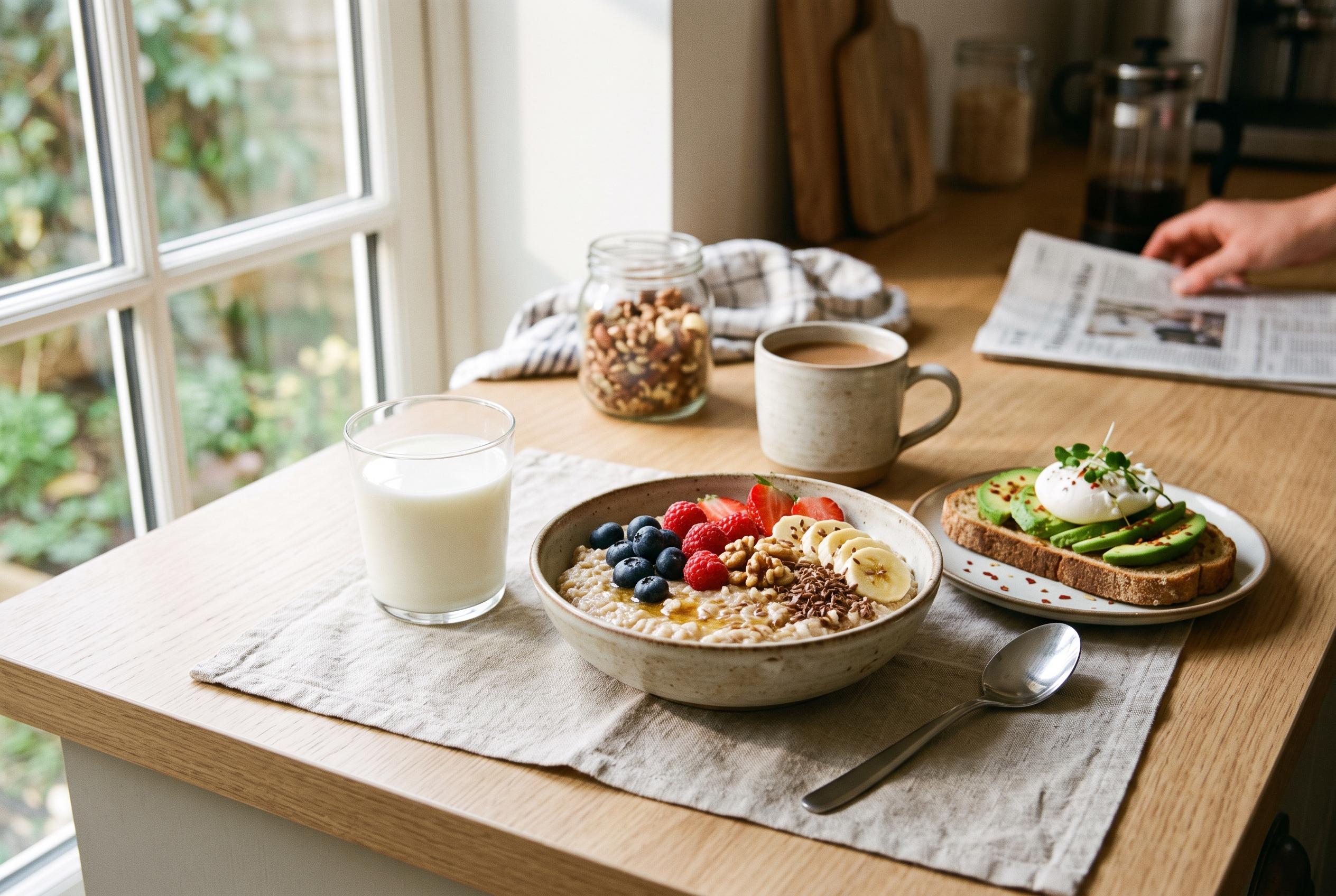
What matters most is not the breakfast label, but what is on the plate. A bowl of sugary cereal or a pastry with sweet coffee is not the same thing as oats with fruit and nuts, eggs with vegetables, or yoghurt with seeds and whole grain toast. Healthline’s review of oats highlights their fibre content and the way they can help with fullness, cholesterol and blood sugar control.
For children and teenagers, breakfast can be especially practical. Mayo Clinic Health System says it helps fuel the school day and supports learning, while Fairfield Medical Center notes that skipping it can leave people overly hungry later on. That said, not every child eats well first thing, and smaller, portable options may work better than forcing a large meal.
Adults who are not hungry in the morning do not necessarily need to eat simply because breakfast has a good reputation. For some, a later first meal fits better with work, sleep or exercise routines. For others, especially people with diabetes, pregnancy, eating disorders or medication schedules that require food, meal timing deserves individual advice.
The strongest conclusion is a modest one: breakfast can be healthy, but it is not magical. A useful morning meal is one that brings protein, fibre and other nutrients into the day, helps control hunger and suits the person eating it. In other words, the question is less whether breakfast is important in theory, and more whether it works in real life.
Disclaimer: This content is for informational purposes only and is not intended to be a substitute for professional medical judgment, advice, diagnosis, or treatment.