

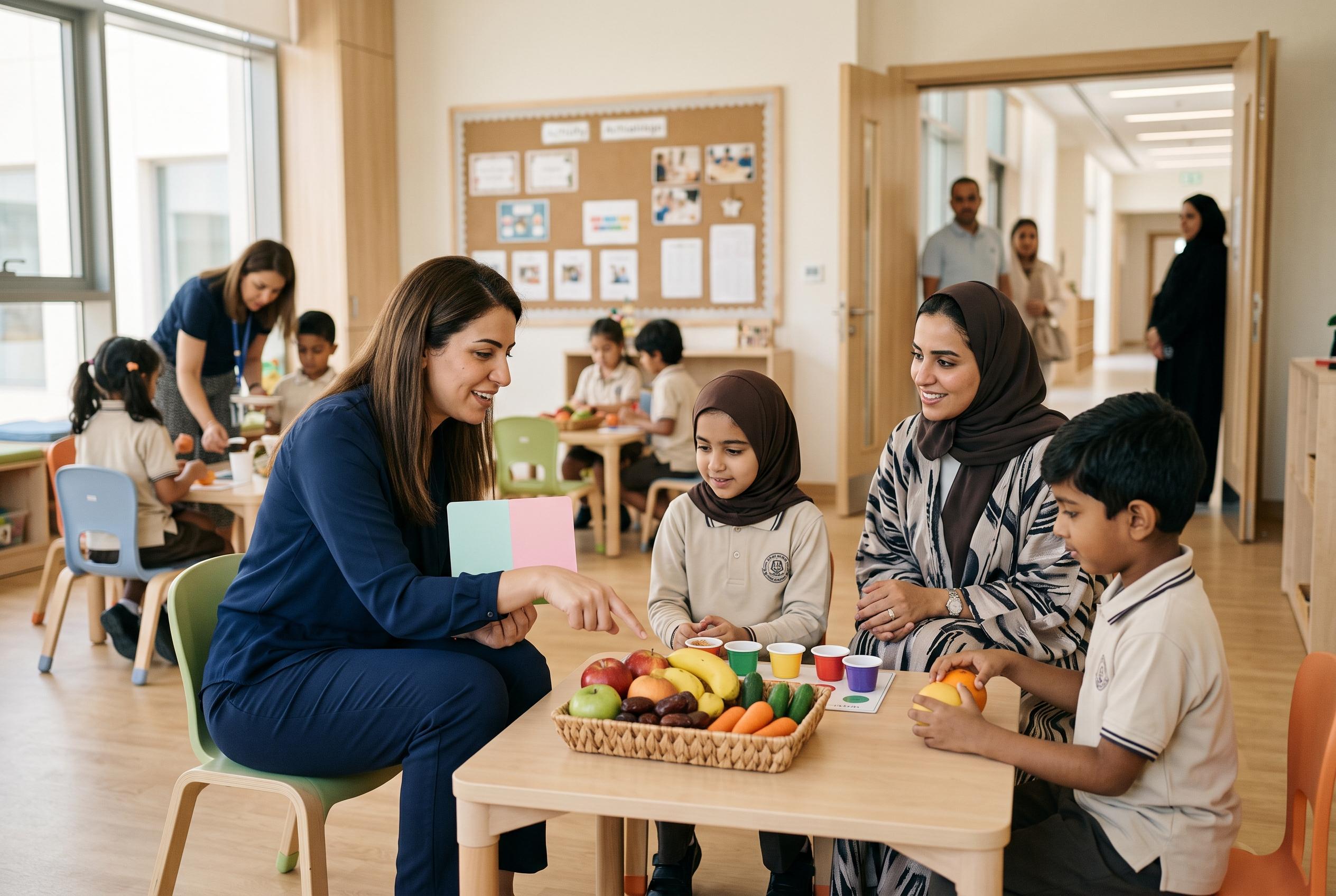

A Qatar-based nutrition expert urges implementing a comprehensive national programme focused on children aged six to 10, aiming to identify and address early signs of obesity through school and family engagement, amid rising concerns over childhood obesity rates.
A Qatari nutrition specialist has urged the launch of a national early-prevention programme to tackle childhood obesity, arguing that the years before puberty offer a critical window to identify weight gain and intervene before it becomes entrenched. Moضي Al-Hajri, a therapeutic and community nutrition consultant, told Al Sharq that the proposed scheme should be overseen by the relevant authorities and embedded in public schools.
Al-Hajri said the initiative would focus on children aged six to 10 in state schools, a period she described as especially important for tracking growth patterns and spotting early signs of excess weight. Her proposal would run through the academic year for nine months and build a separate record for each child, beginning with a full assessment and baseline measurements, followed by monthly reviews and medical checks every three months. A mid-point evaluation would come in the sixth month, with a final assessment at the end of the programme.
The plan would go beyond the weighing scale. It would include body mass index adjusted for age and sex, waist measurement, body composition, physical activity, eating habits, sleep patterns and other relevant health indicators. Al-Hajri also stressed that families must be part of the effort, saying parents should receive practical guidance on home and school meals, sugary drinks, ultra-processed foods, exercise, sleep and screen use. She said the aim should be to create a healthier environment for children without linking food to body image or putting them under pressure.
According to her proposal, delivery would rely on a school-based health team made up of the school nurse, a dietitian and a paediatrician. The nurse would act as the main point of contact, logging measurements in a dedicated health file, monitoring children under a single protocol and flagging cases that need support or referral. Al-Hajri also said children’s privacy must be protected, with weight and results never displayed in front of classmates.
Her call comes as Qatari officials and health experts continue to warn that childhood obesity is a national concern with long-term consequences. In June, the Shura Council’s Health, Public Services and Environment Committee called for coordinated national action, saying families, schools, health authorities and the wider community all had a role in building healthier habits. A policy report presented at an obesity conference in 2026 said combined overweight and obesity among children aged five to 14 in Qatar rose from 44% in 2016-17 to 49.3% in 2019-20, while obesity alone stood at 27.7%. Earlier research cited by Gulf Times put the proportion of children aged five to 19 in Qatar who were obese at 21.5%, underscoring concerns that many young people carry the condition into adulthood. A systematic review published in 2024 also found a pressing need for more effective school-based interventions across Gulf states, including Qatar.
Disclaimer: This content is for informational purposes only and is not intended to be a substitute for professional medical judgment, advice, diagnosis, or treatment.



