

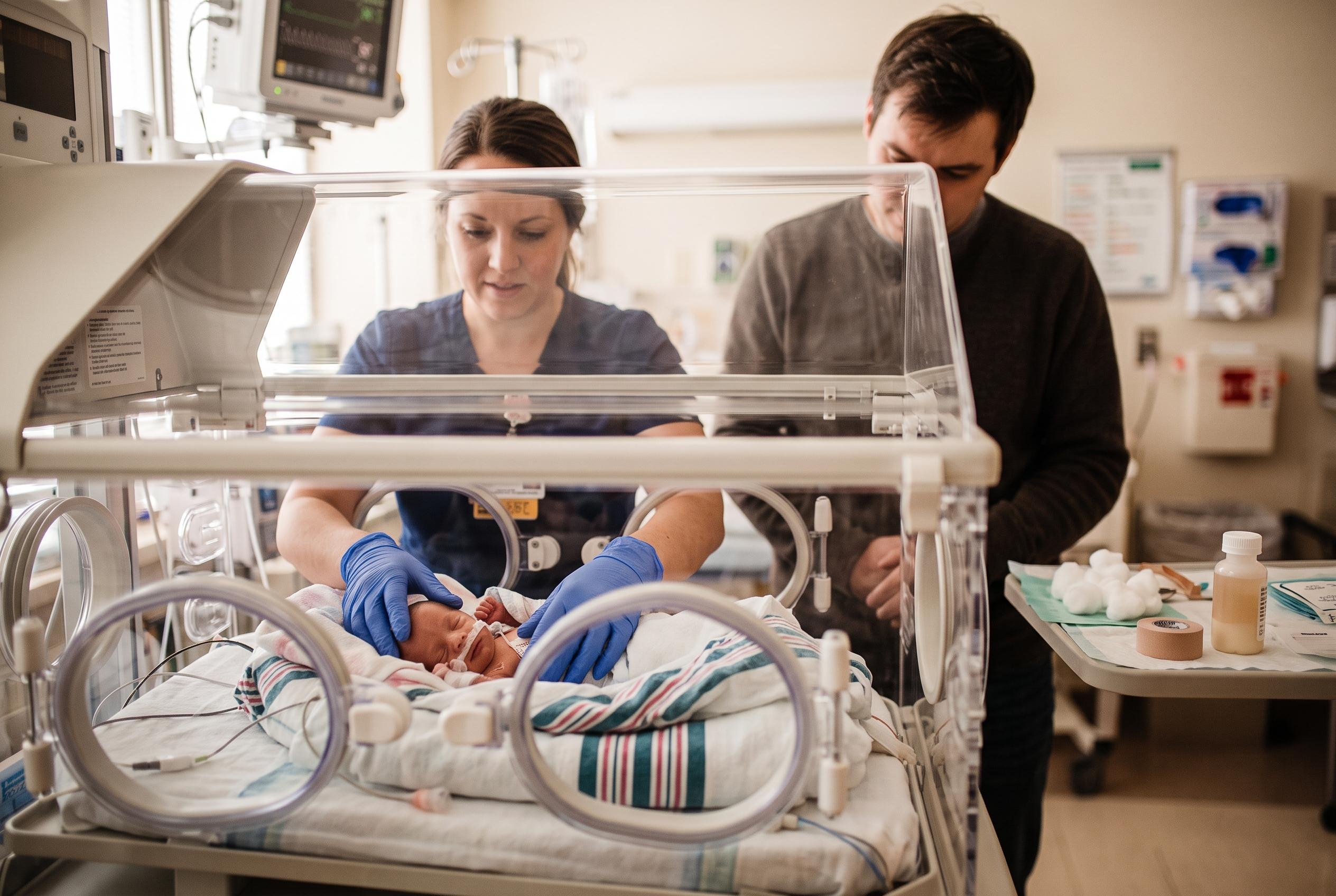

New research from Karolinska Institutet indicates that probiotic supplements may lower the risk of death and necrotising enterocolitis in very premature babies, prompting calls for wider adoption and further studies.
Probiotic supplements may lower the risk of severe bowel disease and death in very premature babies, according to new research from Karolinska Institutet published in JAMA Network Open. The study looked at infants born in Sweden between 2017 and 2024 and adds to a growing body of evidence that live bacterial preparations can be protective in some newborns at the highest risk of intestinal complications.
The research analysed records for 4,695 babies born before term, with 1,571 receiving a probiotic preparation containing three bacterial strains and 3,124 receiving no supplement. Among infants given probiotics, 0.8% either died or developed necrotising enterocolitis, or NEC, compared with 3.4% in the group that did not receive the supplement. The risk of death was 0.3% in the probiotic group and 1.4% among those who did not get probiotics, while NEC occurred in 0.6% and 2.5% of the two groups respectively, according to the journal report.
NEC is a serious and sometimes fatal intestinal disease that affects premature infants, particularly those born very early. Since 2020, Sweden’s neonatal society has recommended daily probiotic supplements for babies born between 28 and 31 weeks’ gestation, in line with European guidance built on international research. Earlier evidence has pointed in the same direction: a meta-analysis of randomised trials published in the Journal of Pediatric Surgery found probiotics reduced both NEC and mortality in very low-birth-weight infants, while other studies have suggested benefits for feeding tolerance and a lower burden of illness.
The Swedish team said the findings remained similar across several statistical methods used to account for differences between the two groups, although the study was observational and therefore cannot prove that probiotics directly caused the better outcomes. The researchers also found no clear difference in sepsis, a severe infection that can spread through the body. Importantly, the authors cautioned against extending the results to extremely premature babies born before 28 weeks, a group not included in the analysis. A separate Scandinavian trial programme, the PEPS study, is under way to test the effect of probiotics in that more vulnerable population.
Taken together, the new data support the view that probiotics may be a useful preventive tool for very preterm infants, even as doctors continue to weigh questions about which babies benefit most, which strains are best and how the findings should shape care in the sickest newborns.
Disclaimer: This content is for informational purposes only and is not intended to be a substitute for professional medical judgment, advice, diagnosis, or treatment.



