

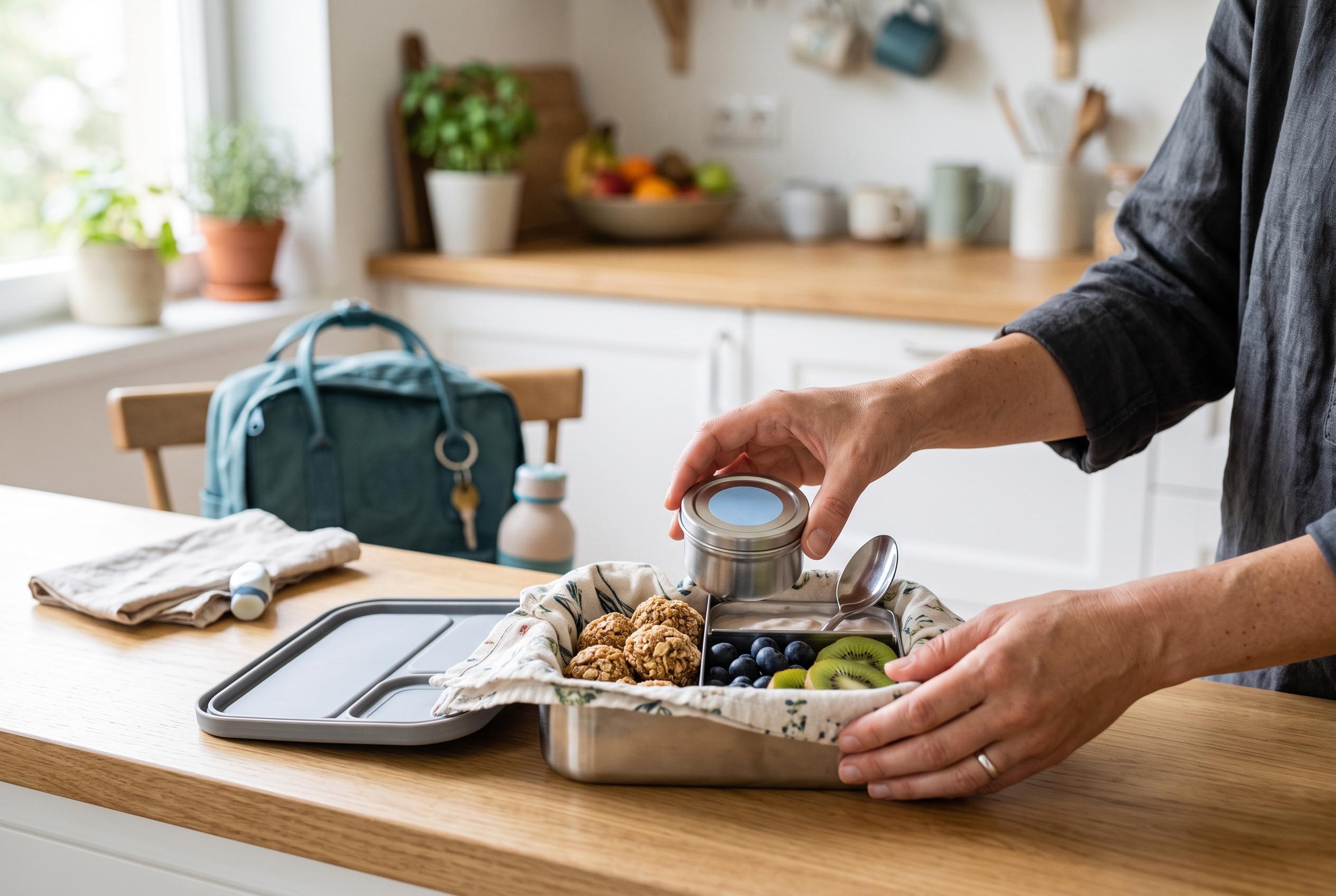

With increasing focus on nutritious, child-friendly school snacks, experts emphasise the importance of practicality, whole grains, low sugar, and allergy-aware options to support children’s energy and wellbeing throughout the school day.
A healthy school snack for children is less about perfection than about practicality: something that combines slow-release carbohydrates, protein and, where possible, fruit or vegetables, so the food actually gets eaten and helps carry a child through the school day. Nutrition guidance from the Grain Foods Foundation and Geisinger both stresses that grains work best when paired with protein or healthy fats, while fruit and vegetables add fibre and key vitamins. The real test, as family nutrition advice often shows, is not how impressive the lunch looks but whether it is familiar, filling and child-friendly.
Whole grains remain a strong foundation because they provide fibre, B vitamins and minerals, and they tend to keep children fuller for longer than refined bread or rolls. That is why wholemeal bread, rye, spelt and other less processed grain options are usually better choices than white bread or plain white rolls, which digest quickly and can leave children hungry again soon after break time. Practical school-snack advice from the Grain Foods Foundation and Geisinger also points to pairings such as whole grain crackers with cheese or hummus with vegetables, which fit the same pattern of carbohydrate plus protein.
Sugar is the other major concern. Guidance from the World Health Organisation, echoed in family-facing snack advice, supports keeping free sugars low, and many products marketed to children hide far more sugar than parents expect. Sweet spreads, flavoured yoghurts, cereal bars and packaged snack cakes can quickly turn a lunchbox into a dessert. More transparent options, such as plain yoghurt with fruit, whole-grain toast with avocado or apple slices with nut butter, are easier to judge and usually more satisfying.
For toppings and fillings, the most useful choices are often the simplest. Cheese, egg, hummus, avocado, seed butters and lean cold meats all offer protein or healthy fats, while also making a sandwich more appealing to children. The Grain Foods Foundation recommends exactly this kind of pairing, and Geisinger’s school-snack list likewise includes cheese with whole grain crackers, hummus with vegetables and yoghurt with fruit. For children who need dairy-free or nut-free options, label reading matters, because many snacks contain hidden milk or traces of nuts.
That last point is especially important for children with allergies or intolerances. Lactose-free snack guidance highlights the need to check labels carefully, since ingredients that look harmless can still contain dairy, nuts or gluten. In practice, that means parents need to plan around the child’s specific needs rather than simply removing one ingredient at random. For some children, a safe lunchbox may mean lactose-free cheese, dairy-free biscuits or applesauce pouches; for others, it may require completely nut-free spreads and breads made without gluten.
Fruit and vegetables still deserve a place, but presentation matters. Snack guidance from the Centre for Science in the Public Interest and Geisinger both points to fresh fruit, sliced vegetables, berries, applesauce and simple dips as reliable choices. Smaller, pre-cut portions are often better accepted than whole fruit, particularly with younger children who have little time and limited patience at break time. A few cucumber sticks, pepper strips or apple pieces can make a lunchbox more useful without turning it into a project.
For children with larger appetites, such as older pupils or those who are active in sport, a small sandwich may not be enough. The same is true for children who skip breakfast or have a long stretch between meals. In those cases, a lunchbox can be more substantial: two pieces of whole grain bread, a protein-rich filling, fruit and a drink of water. NHS school snack guidance also underlines the importance of water, while warning against sweet drinks and juice drinks with added sugar.
The most effective lunchbox strategy is usually the least dramatic one. A familiar bread, a filling that the child already likes, a small serving of fruit or vegetables, and enough variety to stop boredom from setting in. Parents do not need to build a masterpiece; they need a meal their child will actually eat, can manage independently and will finish before the bell rings. That is the measure of a good school snack, whether it is packed for nursery, primary school or the teenage years.
Disclaimer: This content is for informational purposes only and is not intended to be a substitute for professional medical judgment, advice, diagnosis, or treatment.



