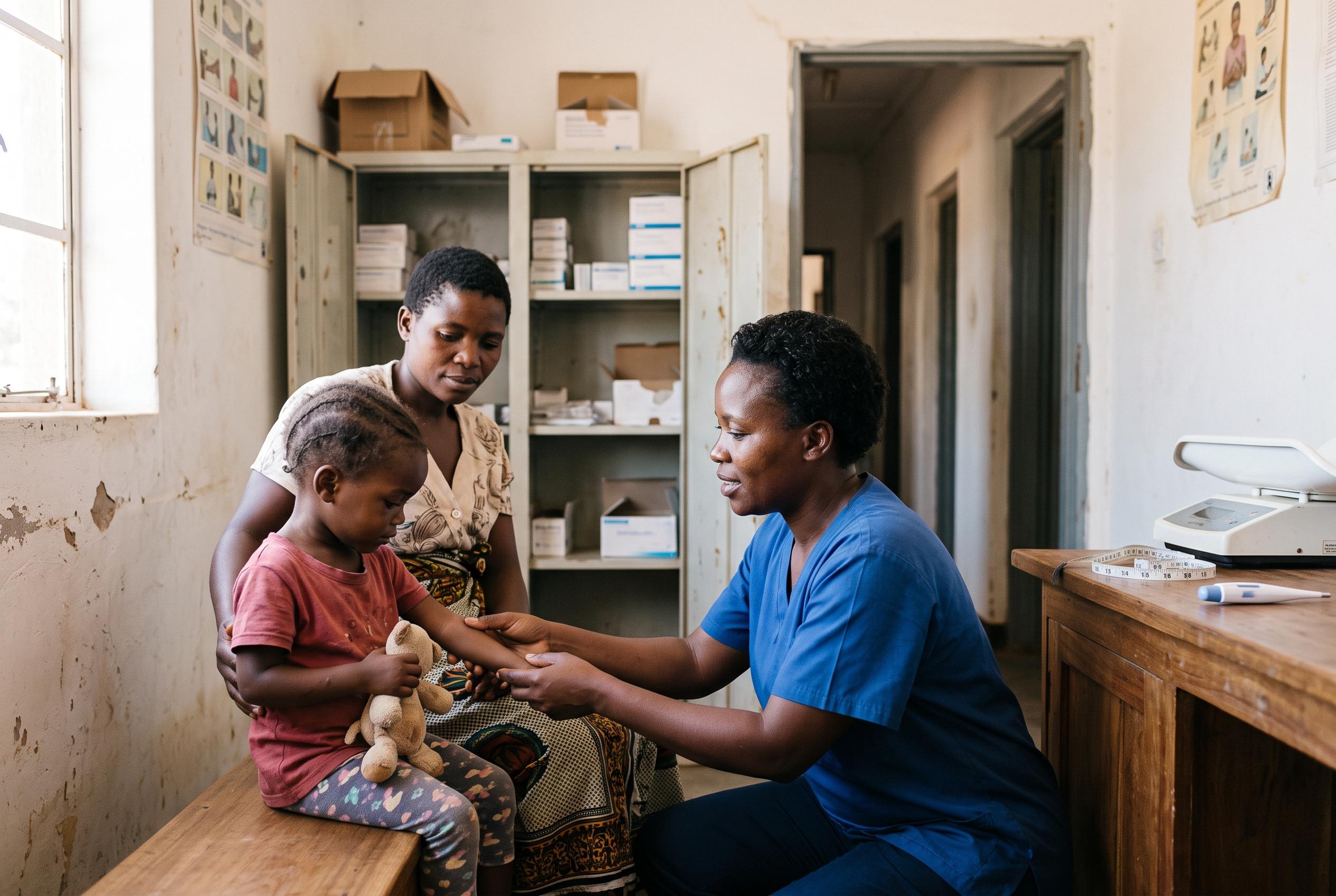

Despite existing policies and data highlighting the severity of child malnutrition in Pakistan, a lack of coordinated political will and funding disruptions prevent effective reform from shaping healthier diets and improving maternal and child health outcomes.
Pakistan’s child malnutrition crisis is not simply a question of too little food. It is a failure of diet quality, access and policy, with millions of children stunted, underweight or wasted and many mothers entering pregnancy already anaemic or deficient in key nutrients, according to the Dawn article and supporting health data. The World Food Programme says roughly 40% of children under five in Pakistan are stunted, while UNICEF has warned that stunting reflects more than food quantity and is tied to the overall quality of the diet and wider living conditions.
The scale of the problem starts before birth. Dawn reported that around one in three mothers is malnourished, while large shares of women of childbearing age lack iron, vitamin A and vitamin D. That matters because maternal undernutrition is linked to low birth weight, impaired development and greater vulnerability to disease later in life. The World Health Organization’s nutrition data for Pakistan also points to widespread anaemia among children and women, reinforcing the picture of a population hit by multiple micronutrient deficiencies rather than a single shortage of calories.
The article argues that Pakistan’s food system has long been shaped around staples, particularly wheat, even though the country does not lack overall dietary energy. The deeper problem is that many households cannot easily obtain enough fruit, vegetables, pulses and other nutrient-rich foods. Research published in the medical literature has linked child malnutrition in Pakistan to poverty, large family sizes, early marriage and poor breastfeeding practices, while another study argues that past reforms have often missed structural problems such as unequal land distribution and weak access to food for the poor.
That is why the answer, the article suggests, lies in reforming the entire chain from farm to plate. It calls for stronger incentives to grow nutrient-dense crops, better storage and transport to cut post-harvest losses, and more investment in health services that can identify malnutrition early in pregnancy and early childhood. The World Food Programme has also stressed the need for sustained multi-sector action, not just agricultural policy, to improve diets for women, children and adolescents across Pakistan.
Financing remains the biggest barrier, but the article says there are practical options if policymakers are willing to shift priorities. It points to better use of existing support, including redirecting some agricultural subsidies towards fruits, vegetables, pulses and legumes, alongside targeted help for low-income families who cannot afford a healthy diet. It also argues for tighter regulation of unhealthy-food marketing, especially around schools, and for stronger use of existing social protection systems such as the Benazir Nashonuma Programme to reach pregnant women, breastfeeding mothers and young children with cash support, nutrition advice and health services. The article’s central message is that Pakistan already has pieces of the answer; what it lacks is coordinated political will and sustained funding.
Disclaimer: This content is for informational purposes only and is not intended to be a substitute for professional medical judgment, advice, diagnosis, or treatment.