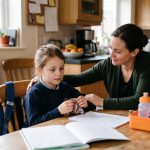

As the new academic year approaches, concerns grow over food insecurity affecting one in three children in Ontario, prompting expanded school breakfast programmes and calls for stronger government support to address deeper family hardships.
As the new school year nears, advocates are warning that too many Ontario children are still starting the day without enough to eat. Breakfast Club of Canada says about one in three children in the province lives in a household affected by food insecurity, a problem it says is being worsened by rising living costs and food prices.
Ryan Baker, the organisation’s programmes lead, said many pupils arrive at school unable to focus because they have not had the nutrition they need. In Toronto, the charity supports 863 breakfast programmes that reach more than 250,000 children, underscoring how widely the need stretches across the city and beyond.
The City of Toronto says its Student Nutrition Programme is designed to give students access to safe, nutritious food during the school day. City information shows more than 230,000 students take part each day, and the programme is now set to expand to 78 more public schools this autumn, completing the final phase of its universal morning meal effort.
Tara Galloro, a policy development officer with the city’s poverty reduction office, said universal food programmes can improve health, support mental and physical wellbeing and help reduce behavioural and emotional difficulties. But Valerie Tarasuk, professor emerita at the University of Toronto, said breakfast is only one symptom of a much bigger problem, arguing that families struggling to afford food are often also falling behind on rent, utilities, transport and other essentials. She said stronger support from government benefit programmes, including the Canada Child Benefit and Ontario Child Benefit, is needed to better reach families under pressure.
Disclaimer: This content is for informational purposes only and is not intended to be a substitute for professional medical judgment, advice, diagnosis, or treatment.