

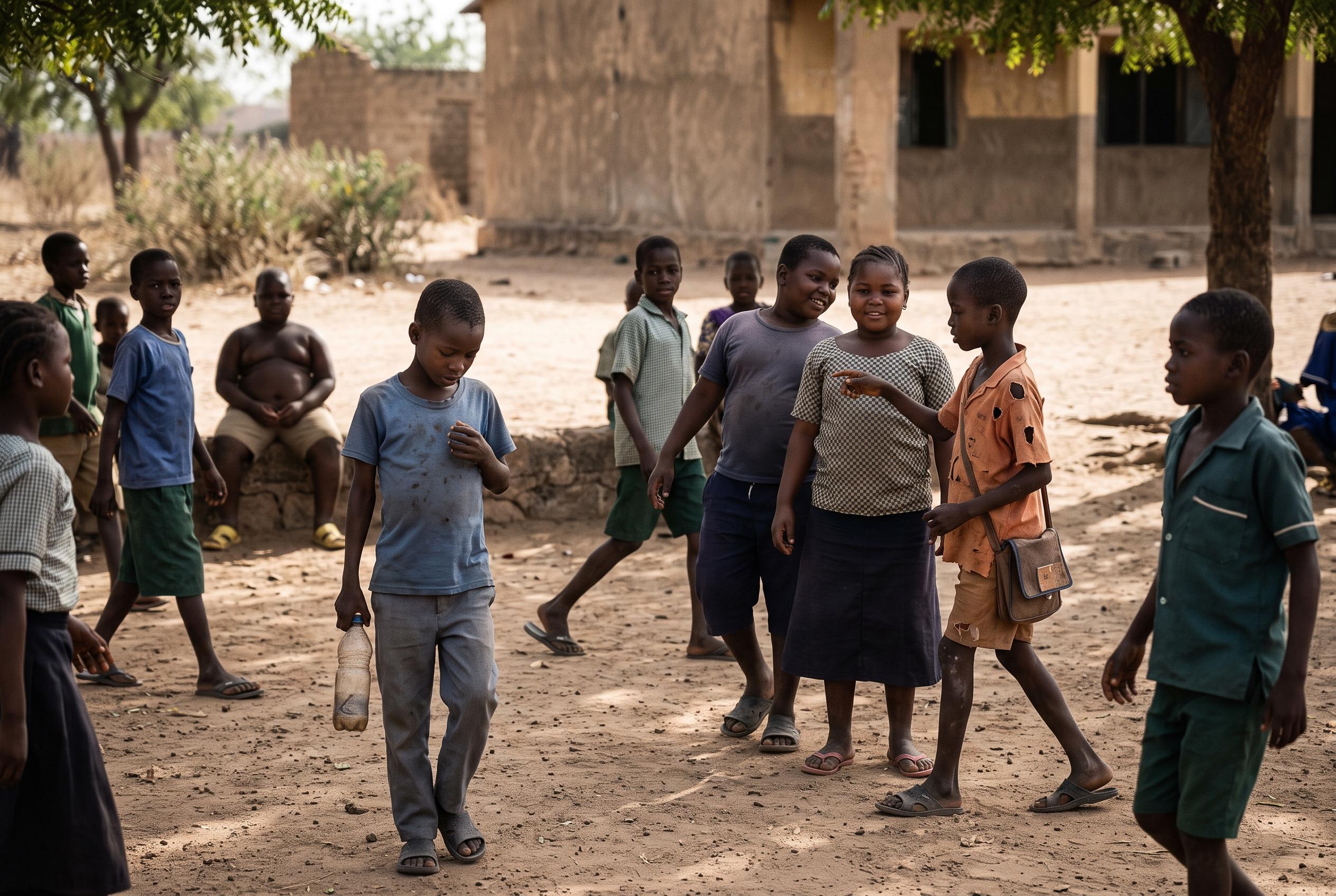

Millions of Nigerian children are facing wasting, stunting and underweight, while inflation, insecurity and poor food systems are also fuelling a rise in overweight and obesity.
Nigeria’s nutrition crisis is deepening as experts warn that millions of children are growing up underweight, stunted or trapped in a cycle of poor diets and rising deprivation. At a journalism and nutrition programme in Lagos, specialists said about 3.9 million Nigerian children are suffering from wasting, a form of acute undernutrition that leaves them too thin for their height, while wider survey data point to a far larger burden of childhood malnutrition across the country.
The warning comes against a bleak national backdrop. UNICEF says malnutrition contributes to nearly half of all deaths among children under five, while Nigeria has the second-highest number of stunted children in the world. Its figures also suggest that about two million children are living with severe acute malnutrition, yet only a fraction receive treatment. The organisation says the problem is especially severe in northern states and is costing the country as much as 11% of gross domestic product through lost productivity and heavier health burdens.
At the event, nutrition scientist Ibukun Afolami of the University of Ibadan argued that the crisis cannot be understood only in medical terms. He said poor nutrition affects children’s brain development, school performance and, eventually, adult productivity. Recent national survey findings show how broad the problem has become: the 2024 Nigeria Demographic and Health Survey recorded stunting in 40% of children under five, wasting in 8% and underweight in 27%. Afolami stressed that these are different indicators and should not be added together, because each reflects a distinct form of undernutrition.
He also warned that Nigeria is facing what public health experts describe as a double burden of malnutrition: children who do not get enough food alongside rising rates of overweight and obesity. That combination, he said, points to a food system that fails at both ends, leaving many households unable to access affordable, nutritious meals while others rely increasingly on poor-quality diets. Afolami urged journalists to look beyond individual behaviour and examine the wider forces shaping what families eat, including food production, availability, pricing, marketing and public policy.
Media scholar Richard Ikiebe said inflation and falling purchasing power are forcing households into damaging trade-offs. He argued that diet choices are not made in a vacuum, but are shaped by what families can afford. Ikiebe pointed to practical reporting angles such as the rising price of bread, reduced protein in meals and the difficult decisions households make when food quality deteriorates. He also called for closer scrutiny of insecurity, transport bottlenecks, weak storage systems and post-harvest losses, saying these pressures drive up prices and reduce access to safe, nutritious food.
That broader context is echoed in other recent research and humanitarian reporting. A PLOS One study using 2024 survey data found stunting was highest among the poorest households, while wasting did not follow a simple wealth pattern, suggesting that income alone does not explain the problem. Separate research published in Nutrition & Health found maternal education and nutritional status were closely linked to child outcomes. Meanwhile, the World Food Programme says nearly 35 million Nigerians are facing food insecurity, with conflict, climate shocks and displacement worsening conditions in the north-east. Together, the evidence points to a nutrition emergency shaped not only by poverty, but by insecurity, weak food systems and unequal access to care.
Disclaimer: This content is for informational purposes only and is not intended to be a substitute for professional medical judgment, advice, diagnosis, or treatment.



