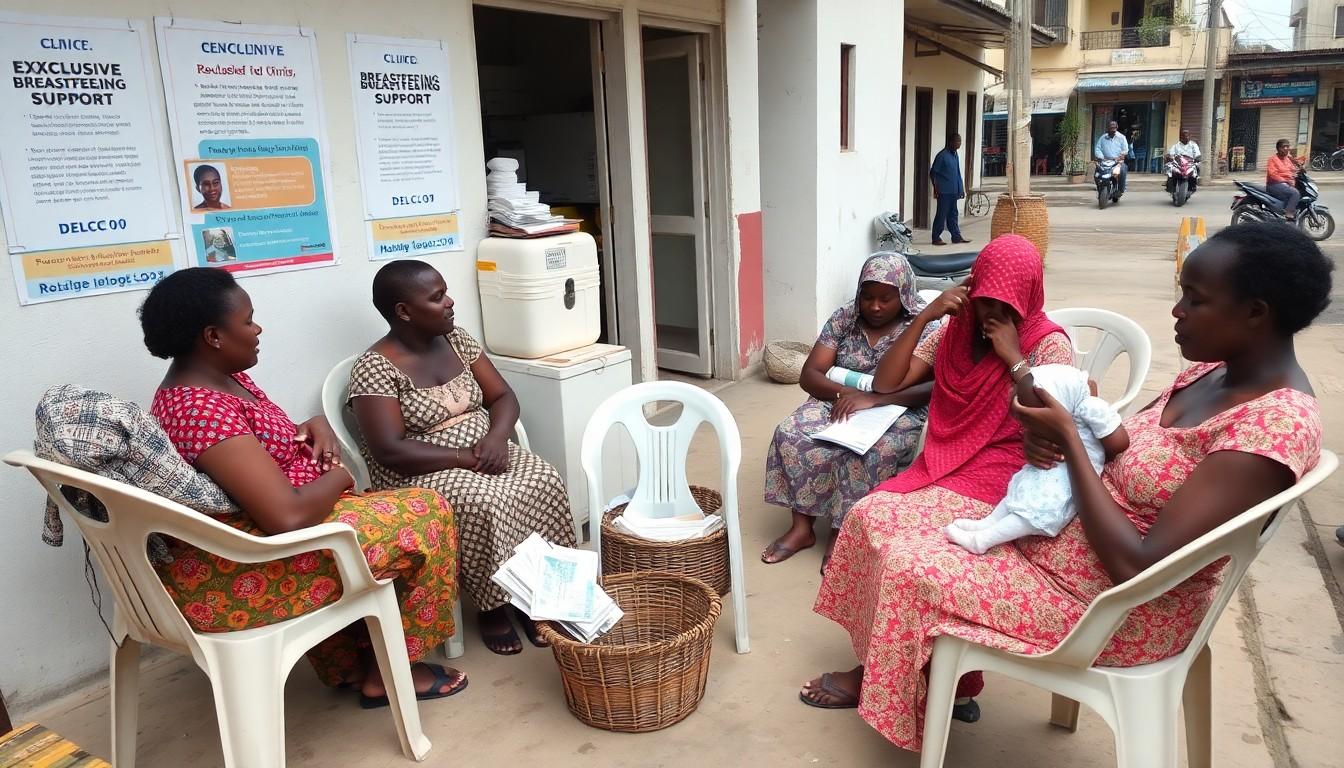

Despite widespread awareness of its benefits, Nigeria struggles to support mothers in exclusive breastfeeding due to policy gaps, misinformation, and social pressures, risking its health and economic future.
When Tolu Adekoya received a call from home during a work meeting, she was forced into a decision many Nigerian mothers know too well: abandon an urgent assignment or leave a baby without enough expressed breast milk. Her experience captures a wider problem that extends far beyond one family. According to the 2023-24 Nigeria Demographic and Health Survey, about 70 per cent of Nigerian mothers are unable to breastfeed exclusively for the first six months, despite broad awareness of its benefits.
That gap matters because optimal breastfeeding is more than exclusive breastfeeding alone. It starts within the first hour after birth, continues with exclusive breastfeeding for six months, and then carries on alongside suitable complementary foods until at least the child’s second birthday. Health experts say the practice protects infants from illness, supports growth and brain development, and lowers the risk of death, while also reducing mothers’ chances of haemorrhage, certain cancers, diabetes and cardiovascular disease. It is also a public-health and economic issue, helping to curb malnutrition, improve school outcomes and strengthen long-term national productivity.
Lactation consultant Titilayo Medunonye, speaking to Pharmanews, said the obstacles are rarely about unwillingness. Instead, she pointed to weak breastfeeding knowledge, persistent myths, poor guidance from health workers, pressure from workplaces, short maternity leave, family expectations, formula promotion, social media misinformation and the health burdens some mothers face. A retired Lagos State nursing official, Patience Omoluwa, said she had often seen women trying to nurse while weak, undernourished and unsupported at home, adding that the burden should not sit on mothers alone.
Those concerns are echoed by wider research. UNICEF has warned that aggressive formula marketing continues to reach large numbers of parents and pregnant women, including in Nigeria, while a 2025 study on breastfeeding support found that encouragement must come not just from mothers but from families, communities and health systems. A 2026 analysis of policy also highlighted a sharp mismatch between Nigeria’s breastfeeding ambitions and labour realities, noting that current maternity leave arrangements remain far too short for many women to sustain exclusive breastfeeding. Another report suggested that only a handful of states offer the longer paid leave recommended by health advocates.
The remedies are well known, but implementation remains weak. Medunonye called for stronger enforcement of breastfeeding-friendly labour rules, private spaces and breaks for expressing milk, tougher action against formula marketing and greater accountability from husbands and relatives. She also argued that lawmakers should strengthen paid maternity leave and legal protections for nursing in public. As World Breastfeeding Week is marked, the central message is that breastfeeding success depends on a support system, not maternal willpower alone.
Disclaimer: This content is for informational purposes only and is not intended to be a substitute for professional medical judgment, advice, diagnosis, or treatment.