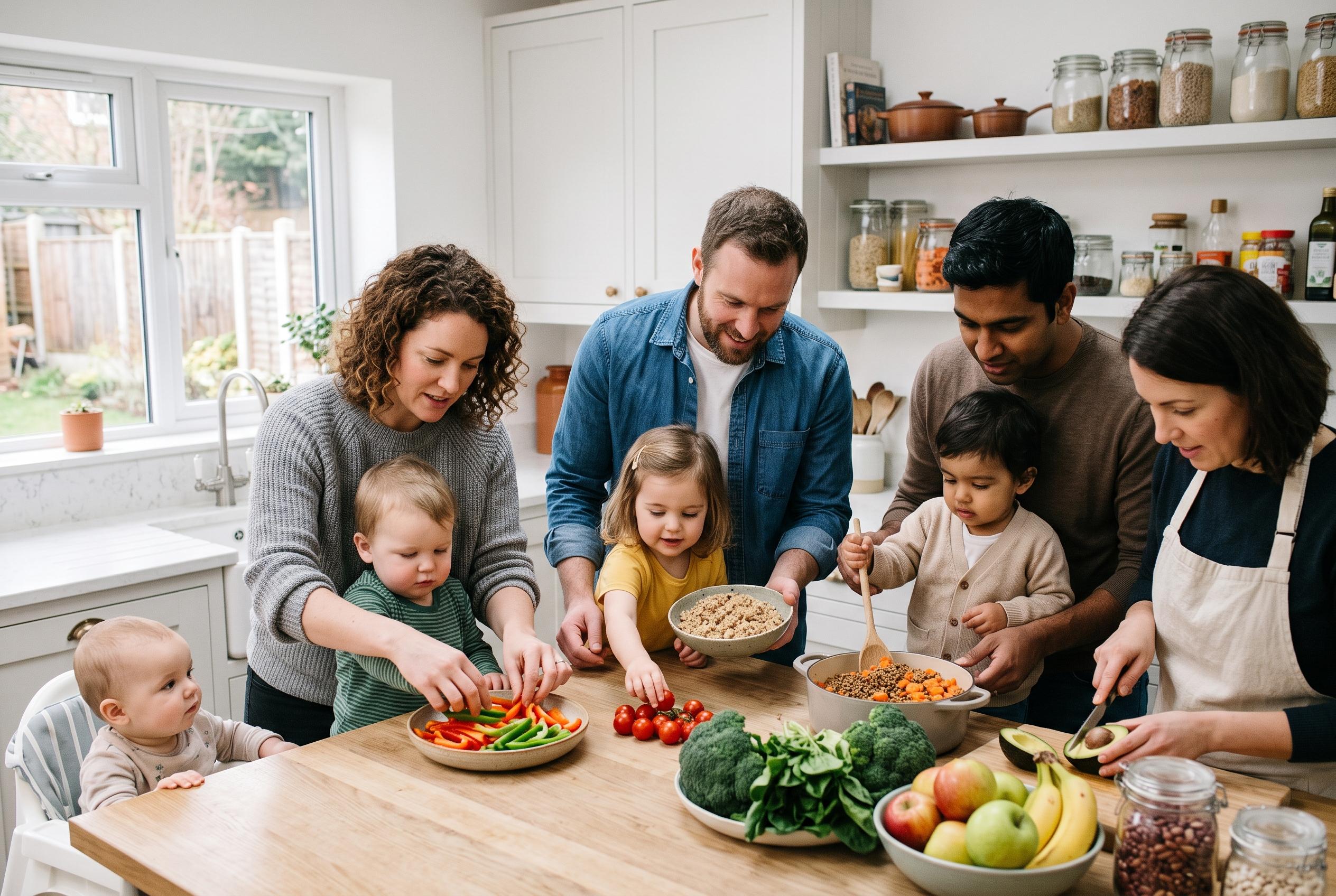

Emerging studies highlight the risks of added sugar in children under two, with experts urging parents to focus on minimally processed foods and natural sweetness to support lifelong well-being.
Doctors and nutrition researchers are increasingly warning that added sugar has no place in a child’s diet in the first two years of life. A recent study in Nutrients found that sugar intake rises quickly during infancy and toddlerhood, largely because of ultra-processed foods and sugar added during preparation, and linked higher intake with more emotional overeating, fussiness and a larger waist measurement, alongside shorter length for age. Longer exclusive and continued breastfeeding was associated with lower sugar intake. According to the report, the message is not that fruit or milk should be avoided, but that added sugar should be kept out of very young children’s diets.
That advice is reinforced by a large analysis in Nature Communications that used the end of sugar rationing in the United Kingdom in 1953 as a natural experiment. Researchers found that people exposed to tighter sugar limits early in life had a lower lifetime risk of heart failure and developed the condition later than those who were not exposed. The study adds to a growing body of evidence that the earliest stages of development may shape long-term cardiometabolic health.
Pediatric guidance already points in the same direction. Health groups including the World Health Organization and the American Academy of Pediatrics recommend exclusive breast-feeding for the first six months, then careful introduction of complementary foods without added sugar. The practical concern is that many commercial baby cereals, flavoured yoghurts, biscuits and purées contain sugar that parents may not notice at first glance, which can make it easier for young children to develop a preference for sweeter foods.
For parents and caregivers, the safest approach is simple: keep infants and toddlers on plain, minimally processed foods; rely on the natural sweetness of fruit and milk; and read labels closely before buying packaged baby products. The latest research does not suggest that a single sweet snack determines a child’s future health, but it does strengthen the case for avoiding routine added sugar during the first 1,000 days of life.
Disclaimer: This content is for informational purposes only and is not intended to be a substitute for professional medical judgment, advice, diagnosis, or treatment.