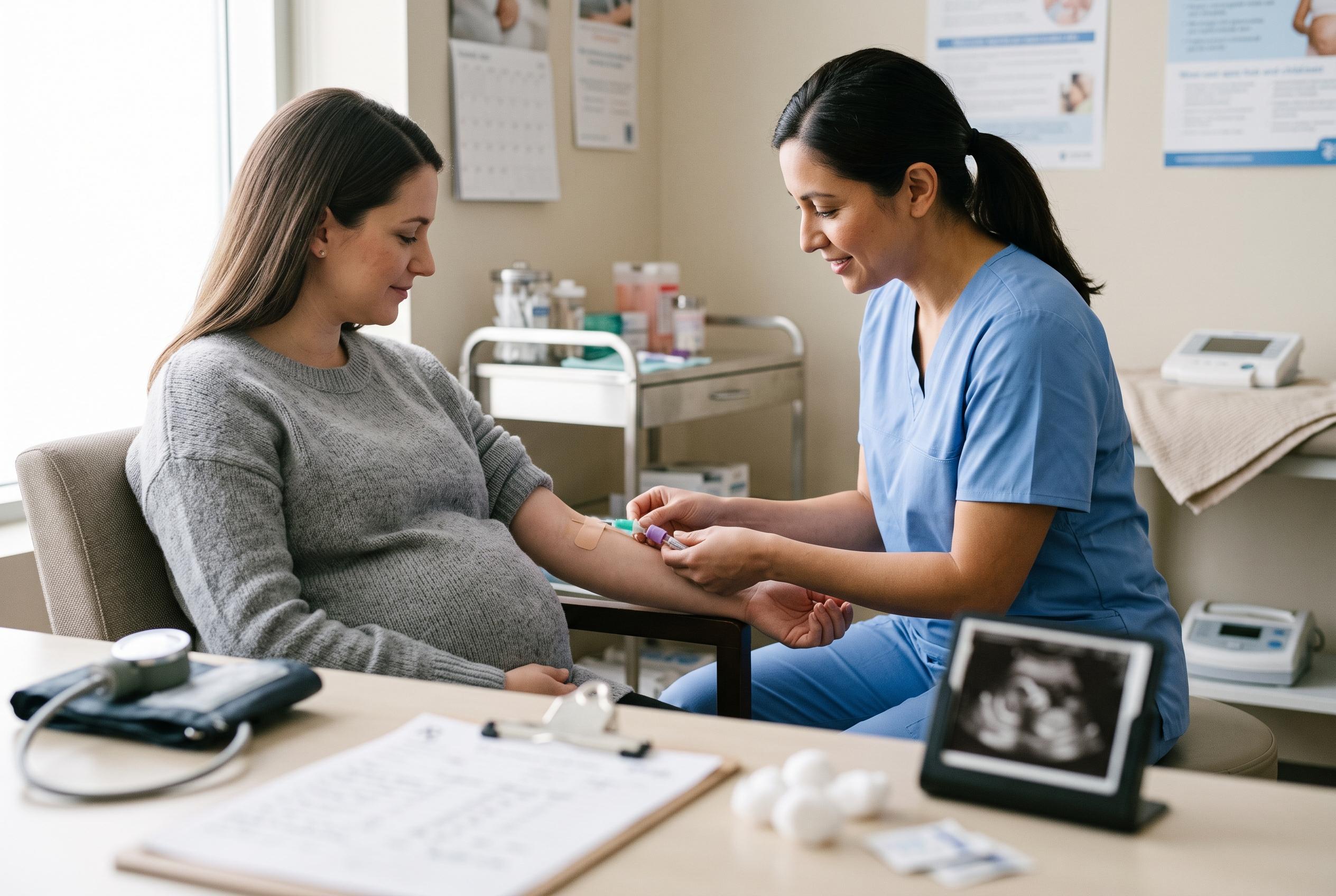

A study by King’s College London and the University of Cape Town finds that maternal anaemia during pregnancy may lead to smaller brain sizes and affected regions involved in learning and emotional control in babies, prompting calls for improved screening and treatment.
Anaemia during pregnancy may do more than leave mothers feeling drained: a study by researchers at King’s College London and the University of Cape Town has linked it to smaller brain volumes in babies. According to the university’s report, infants born to mothers with anaemia during pregnancy had, on average, about 4% less total brain volume than those born to mothers without anaemia.
The research followed 394 mother-infant pairs in Cape Town, with children scanned at several points from three months to two years of age. The findings, published in Brain Communications, suggest the effect was not limited to overall size. The differences also appeared in brain regions involved in learning and emotional control, raising concerns that even mild anaemia in pregnancy may influence early brain development.
Importantly, the study did not find that every child exposed to maternal anaemia would go on to have a developmental problem. But the researchers said the results underline the need to identify and treat anaemia promptly during pregnancy, and ideally to optimise women’s iron status before conception as well.
The report also points to why the connection may matter biologically. Anaemia reduces the blood’s oxygen-carrying capacity, and during pregnancy the fetus depends on the mother and placenta for oxygen and nutrients. If that supply is compromised, the developing brain may receive less than it needs.
The broader research effort at King’s College London has focused on infant brain imaging, including studies designed to improve access to MRI in lower-resource settings. A related paper from the same research group suggests ultra-low-field MRI can reliably detect brain volume differences linked to antenatal maternal anaemia, which could help expand screening and follow-up where conventional scanners are harder to access.
For parents and caregivers, the practical message is straightforward: watch for signs such as fatigue, shortness of breath, pale skin and weakness, and do not ignore iron deficiency in pregnancy. Doctors commonly advise iron-rich foods such as leafy greens, beans, lentils, meat, fish and eggs, alongside vitamin C-rich foods that help the body absorb iron more effectively.
Disclaimer: This content is for informational purposes only and is not intended to be a substitute for professional medical judgment, advice, diagnosis, or treatment.