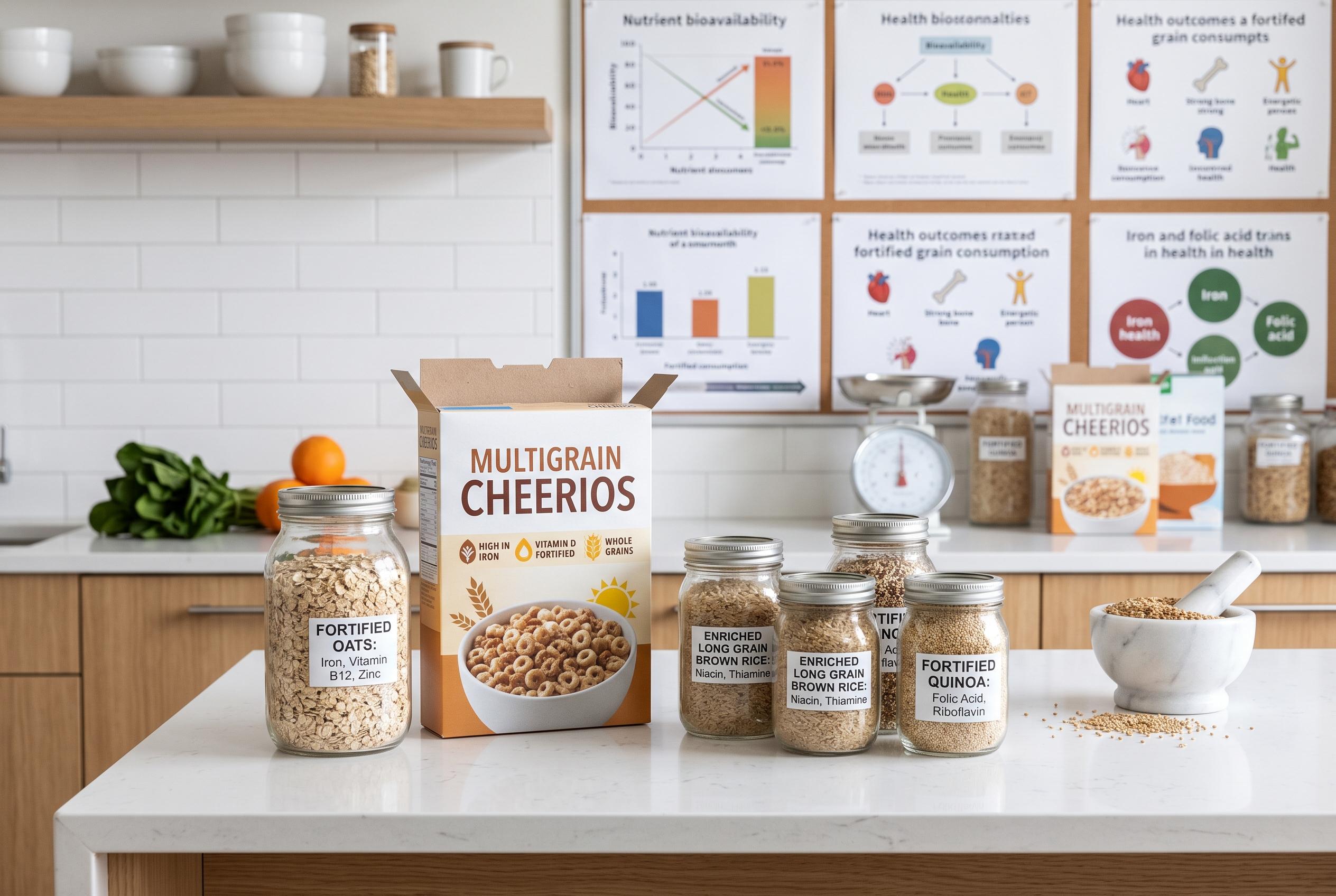

Harvard studies reveal that the extent of food processing may be less indicative of healthfulness than nutrient enrichment and fortification, prompting industry and health experts to re-evaluate dietary guidelines for grains and cereals.
Fortified grains and cereals are emerging as a central talking point in the wider debate over ultra-processed foods, with new Harvard research suggesting that processing level alone is a poor guide to diet quality. The study, which tracked more than 200,000 adults across several decades, found that overall dietary quality was closely tied to the risk of heart disease, type 2 diabetes and death, while the associations did not appear to differ greatly by how processed the foods were. Harvard Health has also reported that some foods commonly labelled ultra-processed, including breakfast cereals, may still fit into a balanced eating pattern.
That distinction matters for grain makers, who argue that enrichment and fortification have long improved public health. In the United States, enriched flour must contain iron, thiamin, riboflavin, niacin and folic acid, and the Grain Foods Foundation says these additions have helped improve micronutrient intake and sharply reduced deficiency-related diseases. The foundation also says the nutrient debate is why several countries have preferred to focus on nutrient content rather than processing labels when shaping dietary guidance.
Food companies are leaning into that message. WK Kellogg has expanded its packaging claims around fibre, protein and added nutrients, while also launching a new cereal line aimed at schoolchildren that it says is a good source of fibre and vitamin D and an excellent source of seven vitamins and minerals. The company’s push reflects a broader effort across the category to frame cereals and other grain foods as vehicles for nutrients such as iron, folate and calcium rather than as simple examples of heavily processed food.
Industry groups are making a similar case for other grains. The USA Rice Federation says enriched white rice regains key nutrients, including thiamine, niacin, iron and folic acid, after milling removes the bran and germ. National Sorghum Producers, meanwhile, points to sorghum’s fibre, protein, minerals and antioxidant compounds as evidence that processing can improve safety, convenience and affordability without necessarily stripping away nutritional value.
Still, nutrition experts say the issue is more complicated than a simple pro- or anti-processing message. The American Academy of Pediatrics has said some foods that might be classed as ultra-processed, such as ready-to-eat cereals, can supply useful nutrients, while others are high in added sugar, salt and refined starches. Consumer research from the International Food Information Council suggests shoppers are paying attention: vitamin and mineral content ranked ahead of several other package claims in its June survey. That trend is also encouraging suppliers to develop more bioavailable forms of minerals and fortified ingredients, even as they warn that off-flavours, oxidation, regulatory limits and over-fortification remain practical risks.
Disclaimer: This content is for informational purposes only and is not intended to be a substitute for professional medical judgment, advice, diagnosis, or treatment.