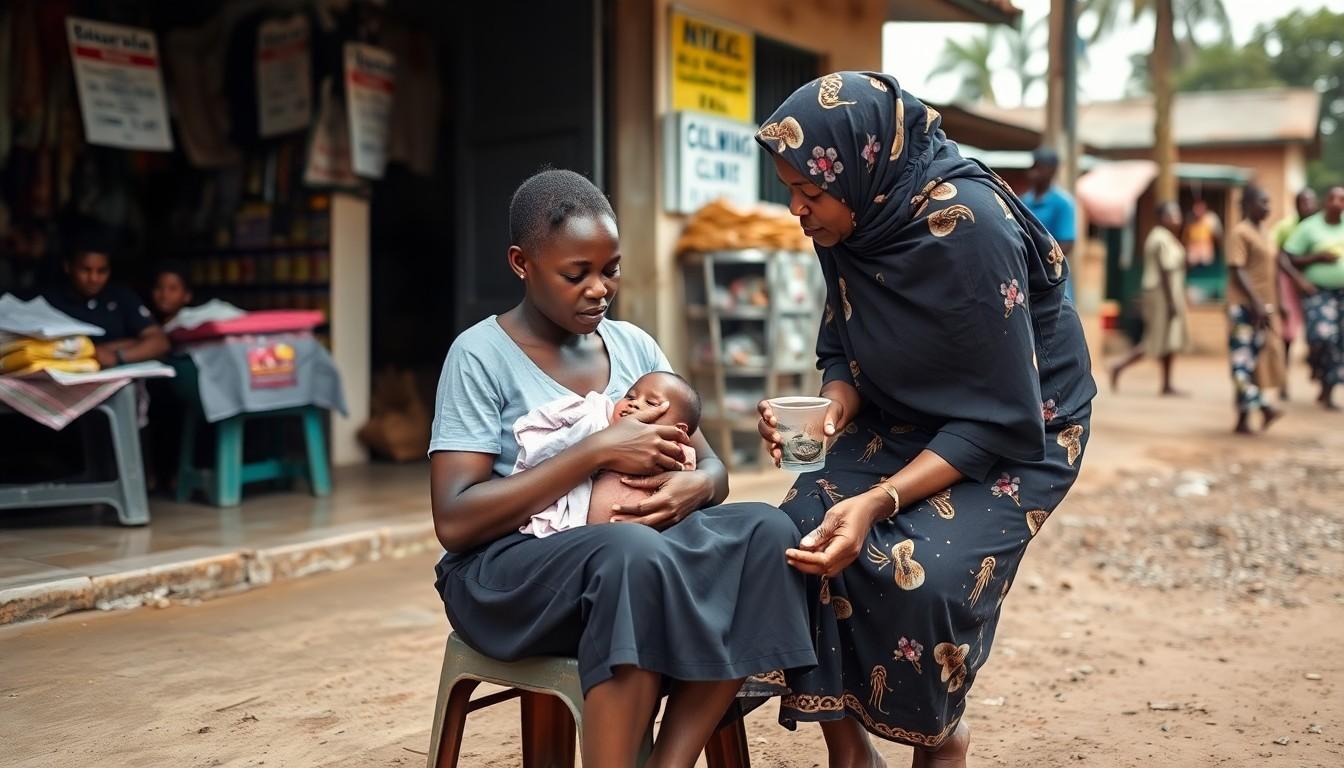

As World Breastfeeding Week approaches, experts emphasise that emotional support and practical help are crucial in ensuring mothers succeed with exclusive breastfeeding, which offers lasting health benefits for both mother and child.
Breastfeeding is often framed as instinctive, but for many new mothers it is anything but effortless. The early weeks after birth can bring pain, exhaustion, uncertainty and a barrage of advice, and that combination can make even a natural process feel daunting. Ahead of World Breastfeeding Week, Dr Girija Ashok Kumar, a senior consultant in obstetrics and gynaecology at VS Hospital in Chennai, urged families to respond with reassurance rather than criticism, saying exclusive breastfeeding for the first six months remains one of the most important ways to give a child a healthy start.
Health agencies broadly support that view. The World Health Organization says breast milk is the ideal food for infants and recommends that babies be exclusively breastfed for the first six months, with no additional food or drink, including water, before complementary foods are introduced. The American Academy of Pediatrics gives the same six-month recommendation, noting that breastfeeding can continue after solid foods are added if mother and child wish. UNICEF similarly says breast milk is complete, safe and ready to use, and that early skin-to-skin contact helps babies and mothers alike.
Dr Kumar’s warning is that practical difficulties are often made worse by emotional strain. Many women worry that their baby is not feeding well, that they are not producing enough milk or that they are doing something wrong, while relatives and neighbours may pile on myths and unsolicited advice. She argues that stress and anxiety can affect milk production, since breastfeeding depends in part on signals from the brain, and that simple help with meals, rest and household chores can make a meaningful difference.
The nutritional case for exclusive breastfeeding is also strong. The WHO says breast milk supplies all the energy and nutrients a baby needs in the first six months, while research-based guidance from Johns Hopkins Medicine notes that it continues to provide a major share of nutrition beyond that stage. Breast milk is also a source of antibodies and immune cells that help protect against diarrhoea, respiratory infections and other common childhood illnesses, and exclusive breastfeeding has been linked with lower risks of obesity and type 2 diabetes later in life. A Cochrane review found that six months of exclusive breastfeeding, compared with shorter exclusive periods followed by mixed feeding, reduces gastrointestinal infections and helps mothers lose weight more quickly after birth.
The benefits extend to mothers as well. According to the WHO and Johns Hopkins Medicine, breastfeeding is associated with a lower risk of breast and ovarian cancers, while Dr Kumar says it also helps the uterus contract back towards its pre-pregnancy size and can reduce postpartum bleeding. That is why experts say the message should not be about guilt or pressure, but about creating a calm environment in which mothers are fed, rested and encouraged. In that setting, exclusive breastfeeding can do more than nourish a baby: it can help set the foundation for health well beyond infancy.
Disclaimer: This content is for informational purposes only and is not intended to be a substitute for professional medical judgment, advice, diagnosis, or treatment.