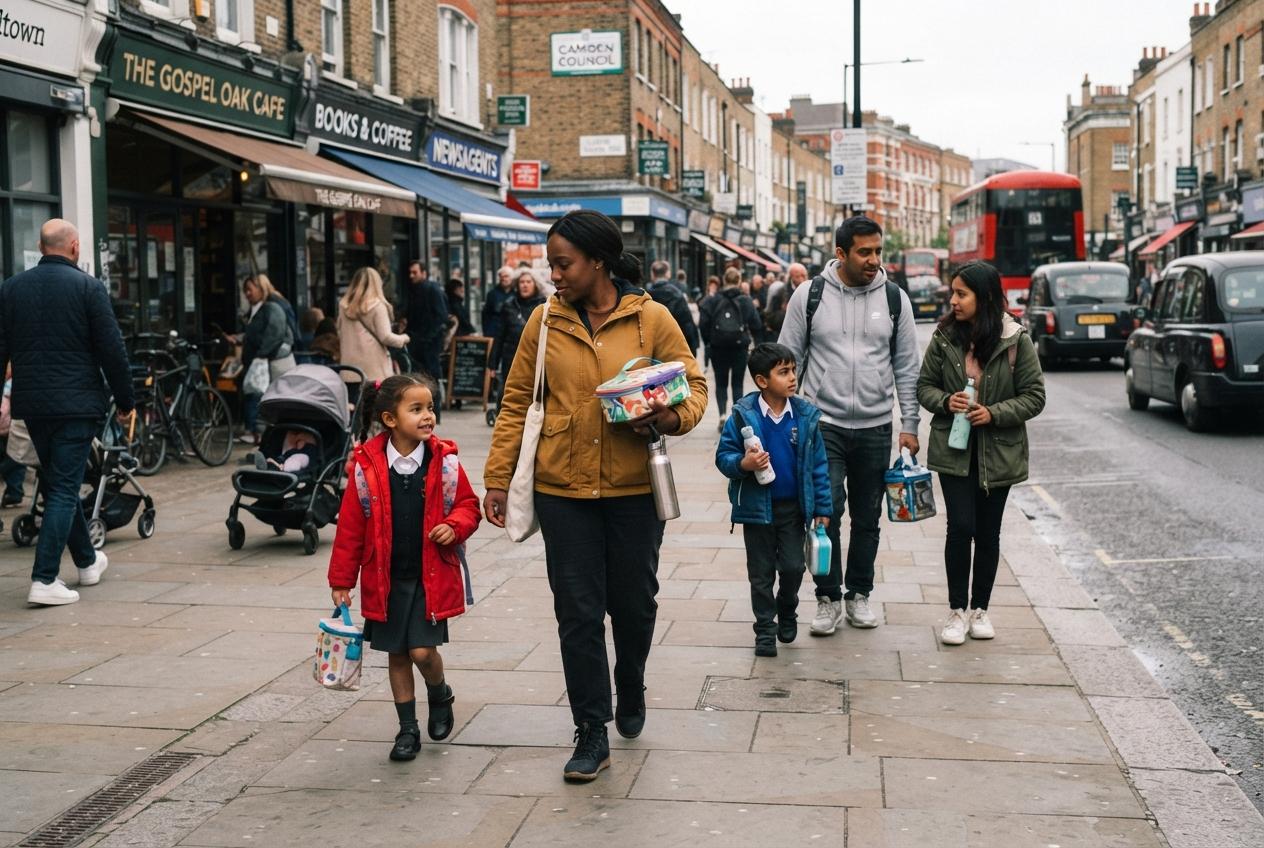

Recent advice suggests that structured, balanced meals and snacks rooted in nutritional diversity are preferable to perpetual grazing, redefining best practices for children’s eating habits.
For years, many parents have been told that children need to graze through the day to keep energy up and avoid hunger meltdowns. But the latest guidance suggests the issue is less about constant snacking and more about structure, balance and what is actually in the food.
Pediatric advice has long encouraged roughly three meals and two snacks a day, a pattern reflected in guidance from the US Centres for Disease Control and Prevention, which says young children should be fed every two to three hours rather than eating or drinking continuously. That does not mean every child needs a rigid timetable, but it does underline a wider point: snack time should support, not replace, meals.
Nutrition specialists quoted by Cleveland Clinic say the best snacks are those that contribute to a child’s overall diet, ideally combining foods from different groups such as fruit, vegetables, grains, protein and dairy. Their advice is to think less about counting portions and more about offering foods that are satisfying and useful nutritionally, particularly for children who may not eat large amounts at mealtimes.
That approach also applies to preschoolers, who should be given regular meals and snacks without pressure to finish everything on the plate, according to Cleveland Clinic. The focus, it says, should be on variety and on helping children recognise hunger and fullness, rather than on calorie counting or strict rules that can make eating feel stressful.
Practical advice from children’s health specialists points in the same direction. Healthy snacks can be as simple as fruit with cheese, vegetables with a dip, whole-grain crackers with protein, or yoghurt with fruit. Some experts also recommend preparing snacks in advance and involving children in the process, so healthy choices are easier to reach for when families are busy.
The broader message is that snacking itself is not the problem. Frequent, mindless eating can crowd out proper meals, but planned snacks can help children meet their nutritional needs. The most useful question for parents is not how often a child is eating, but whether those eating occasions are helping build a varied, balanced diet.
Disclaimer: This content is for informational purposes only and is not intended to be a substitute for professional medical judgment, advice, diagnosis, or treatment.