

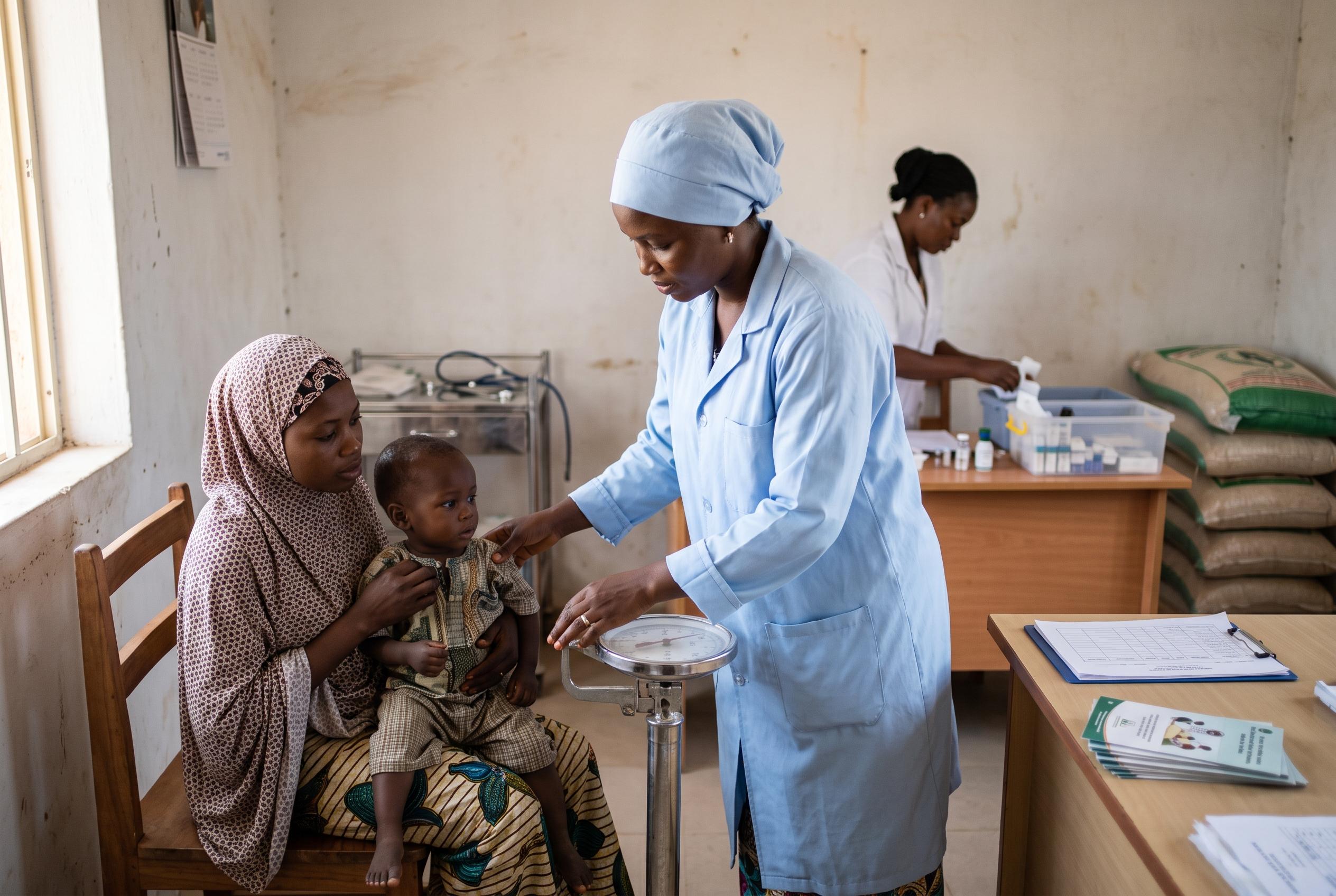

Médecins Sans Frontières marks 30 years of work in Nigeria amid a deepening malnutrition crisis, emphasising the need for prevention strategies to complement emergency treatment as millions of children remain at risk amid conflict, insecurity, and food insecurity.
Médecins Sans Frontières has said Nigeria’s malnutrition crisis is now so widespread that treating sick children alone is no longer enough, as the aid group marked 30 years of work in the country and warned that prevention must become a far bigger part of the response. Speaking in Abuja, MSF’s country representative, Ahmed Aldikhari, said the problem is most acute in the north, where conflict, displacement, disease and weak access to healthcare are combining to put children at greater risk.
The organisation said its teams treated 57,999 children in inpatient facilities and 220,995 more through outpatient programmes between January and August 2026, underscoring the continuing pressure on families and clinics. The Food and Agriculture Organization has estimated that 34.7 million people in Nigeria could face crisis or worse levels of acute food insecurity during the 2026 lean season, while more than 5.4 million children were expected to suffer from acute malnutrition.
MSF said the scale of need reflects a wider emergency in which hunger is tied to illness, poverty and insecurity. Aldikhari said malnutrition, infectious diseases, maternal health needs, displacement and insecurity are closely linked, with children weakened by poor nutrition becoming more vulnerable to illnesses such as malaria, cholera, diphtheria and measles. He added that the organisation cannot “treat our way out of it” without stronger efforts to stop children becoming malnourished in the first place.
The United Nations Resident and Humanitarian Coordinator in Nigeria, Elsie Attafuah, said MSF treated more than 400,000 children for malnutrition in northern Nigeria in 2025, with the figures masking the struggles of families facing rising living costs, insecurity and disrupted livelihoods. She called for more investment in nutrition, vaccination, safe water, sanitation, maternal healthcare and referral systems, and stressed the need to protect humanitarian access so health workers can reach vulnerable communities.
Government officials also urged closer cooperation with MSF as the group reflected on its long presence in Nigeria, where it began operations in 1996 during a meningitis outbreak in Kano, Bauchi and Katsina states. The organisation said it now works across 10 states and relies heavily on Nigerian staff, who make up more than 90% of its workforce, as it pushes for a broader response that combines emergency treatment with long-term prevention.
Disclaimer: This content is for informational purposes only and is not intended to be a substitute for professional medical judgment, advice, diagnosis, or treatment.



