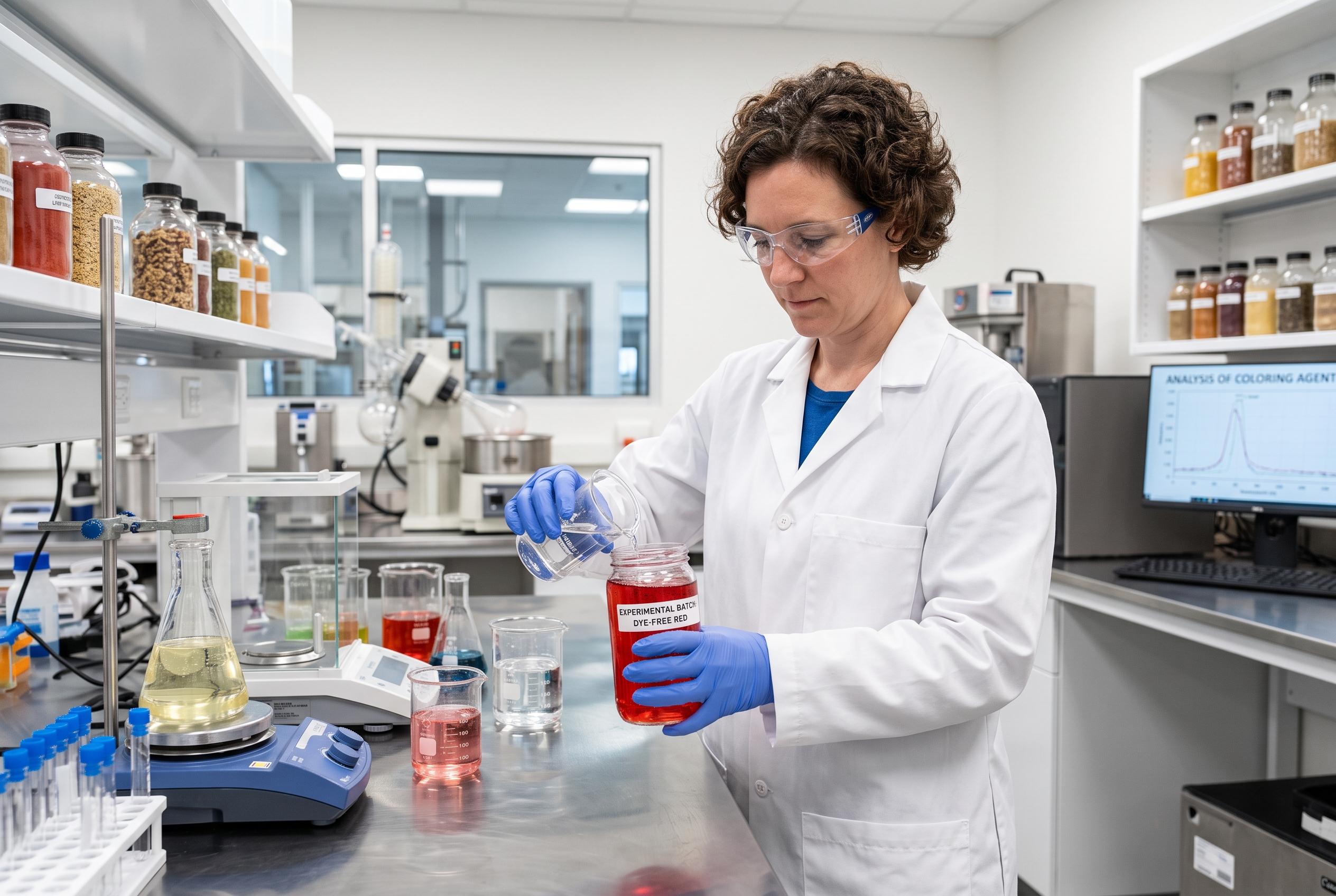

Mexico has announced a two-year ban on the synthetic dye Red 3 (erythrosine or E127), citing health risks and prompting manufacturers to switch to natural or alternative colours in processed foods and beverages.
Mexico has moved to phase out Red 3, the synthetic dye also known as erythrosine or E127, after health authorities concluded that typical exposure levels were too high to be considered acceptable. The order, announced by the health ministry through Cofepris, is aimed at food, drinks and supplements that use the colourant to create a cherry-red shade. According to reports in Excelsior and Infobae, officials said estimated intake in Mexico reached 0.231 milligrams per kilogram of body weight, more than twice the reference limit of 0.1 milligrams per kilogram.
The ban is on the additive itself, not on red sweets or branded products. That means popular items such as red gummy candies do not have to disappear from shelves if manufacturers change their recipes. Tiempo and El Gráfico reported that the rule gives companies 24 months from publication in Mexico’s official gazette to reformulate products and sell through existing stocks. The change is expected to affect a wide range of processed foods, including confectionery, drinks, syrups, gelatins, cereals and flavoured dairy products.
Officials said producers can replace Red 3 with other approved synthetic colourants or natural pigments such as beetroot, paprika or cochineal. Consumers who want to check whether a product still uses the dye should read the ingredients list carefully and look for any of the names Red 3, Red number 3, erythrosine or E127. Over the next two years, labels may change and some products may look slightly different as manufacturers adjust to the new rules, according to the reporting.
The move follows restrictions already adopted in the United States, which Mexican authorities cited as part of their reasoning. Tiempo reported that the decision was driven by toxicological concerns and the risk profile of the additive, while also noting the lack of evidence that the same harm seen in animal studies necessarily applies to people. Even so, health officials in Mexico have judged the exposure level high enough to justify a precautionary ban, especially for children, who are among the heaviest consumers of brightly coloured sweets and snacks.
Disclaimer: This content is for informational purposes only and is not intended to be a substitute for professional medical judgment, advice, diagnosis, or treatment.