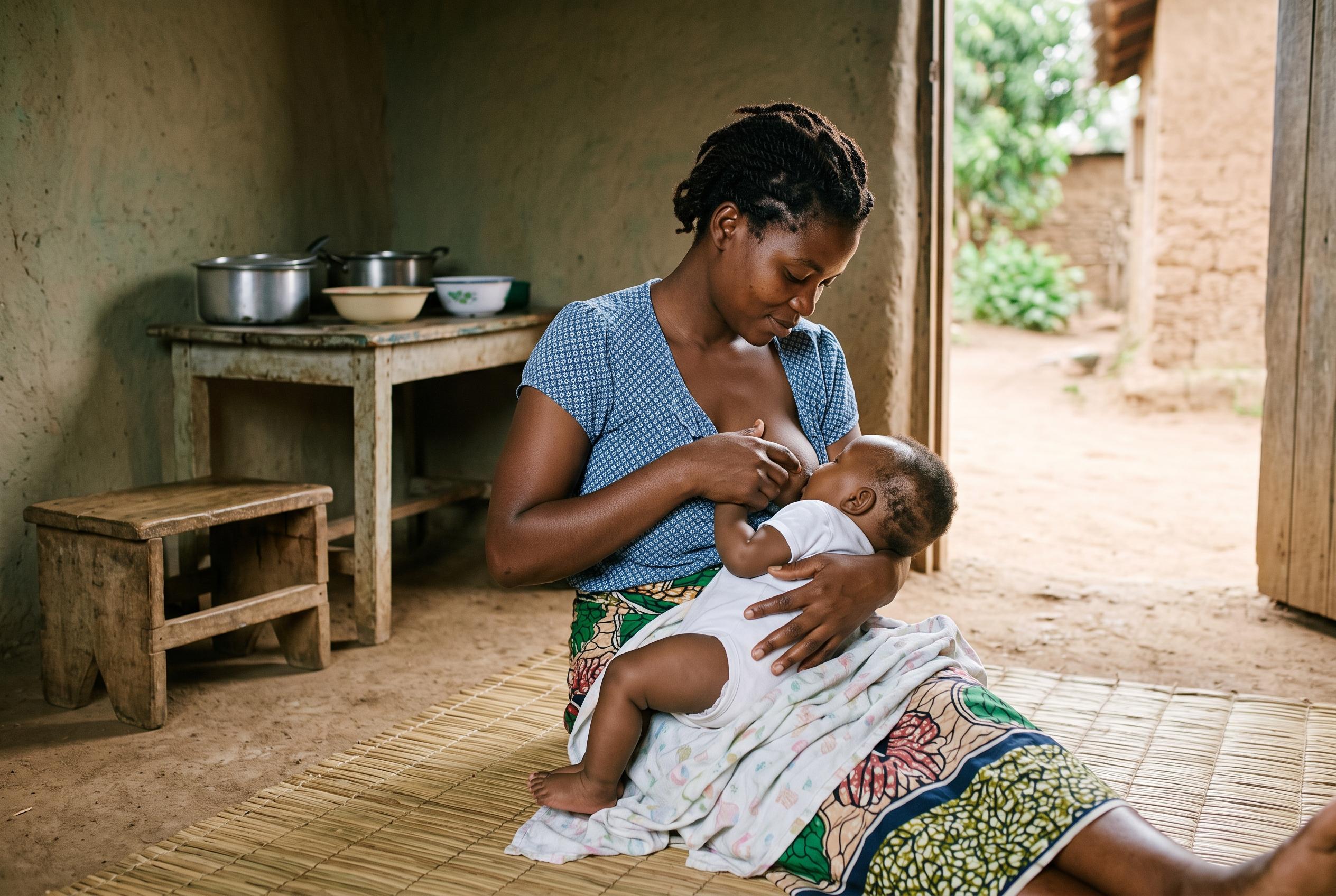

Despite global health recommendations and proven benefits, Malawi’s mothers encounter social discomfort and systemic barriers that hinder exclusive breastfeeding, highlighting the urgent need for supportive environments to improve infant health outcomes.
Public breastfeeding remains a fraught issue in Malawi, even as health officials and international agencies stress that it is one of the simplest ways to give babies a healthy start. In Blantyre, 23-year-old Anesi Bitoni said feeding a child in public is “discomforting and obscene”, reflecting a view that still shapes how many women behave in shops, markets and workplaces. Yet the World Health Organisation says babies should be put to the breast within the first hour after birth and exclusively breastfed for the first six months, with continued breastfeeding alongside complementary foods for up to two years or beyond.
The problem, advocates say, is not lack of medical evidence but lack of support. UNICEF says breast milk provides complete nutrition, is safe and ready without preparation, and helps strengthen a baby’s immune system, while also supporting bonding between mother and child. WHO adds that breastfeeding is linked with better child health and development, and that women who breastfeed have a lower risk of breast and ovarian cancer. But those benefits can only be realised when mothers have privacy, time and understanding from employers, families and communities.
That gap is visible in Malawi’s workplaces and streets, where many mothers say they are pushed towards bottled milk or early supplements because they cannot feed their babies freely during the day. At Queen Elizabeth Central Hospital in Blantyre, mothers describe the contrast between the hospital setting, where breastfeeding is normal, and daily life, where work schedules and social discomfort make it difficult. Health workers warn that breast-milk substitutes cannot match the nutritional and immunological value of breastfeeding, and UNICEF says the first milk, or colostrum, is especially rich in antibodies that protect newborns from disease.
Malawi’s own campaign messaging has increasingly called for stronger support systems, not just public reminders. The health ministry has said breastfeeding protects against diarrhoea and pneumonia, supports brain development and improves future school performance, while UNICEF and WHO argue that wider support for mothers can produce major economic and health gains. Their latest global figures show exclusive breastfeeding has risen, but progress remains uneven and still falls short of the target to lift rates to at least half of infants under six months by 2025. For Malawi, the challenge is making breastfeeding practical, not merely celebrated.
Disclaimer: This content is for informational purposes only and is not intended to be a substitute for professional medical judgment, advice, diagnosis, or treatment.