

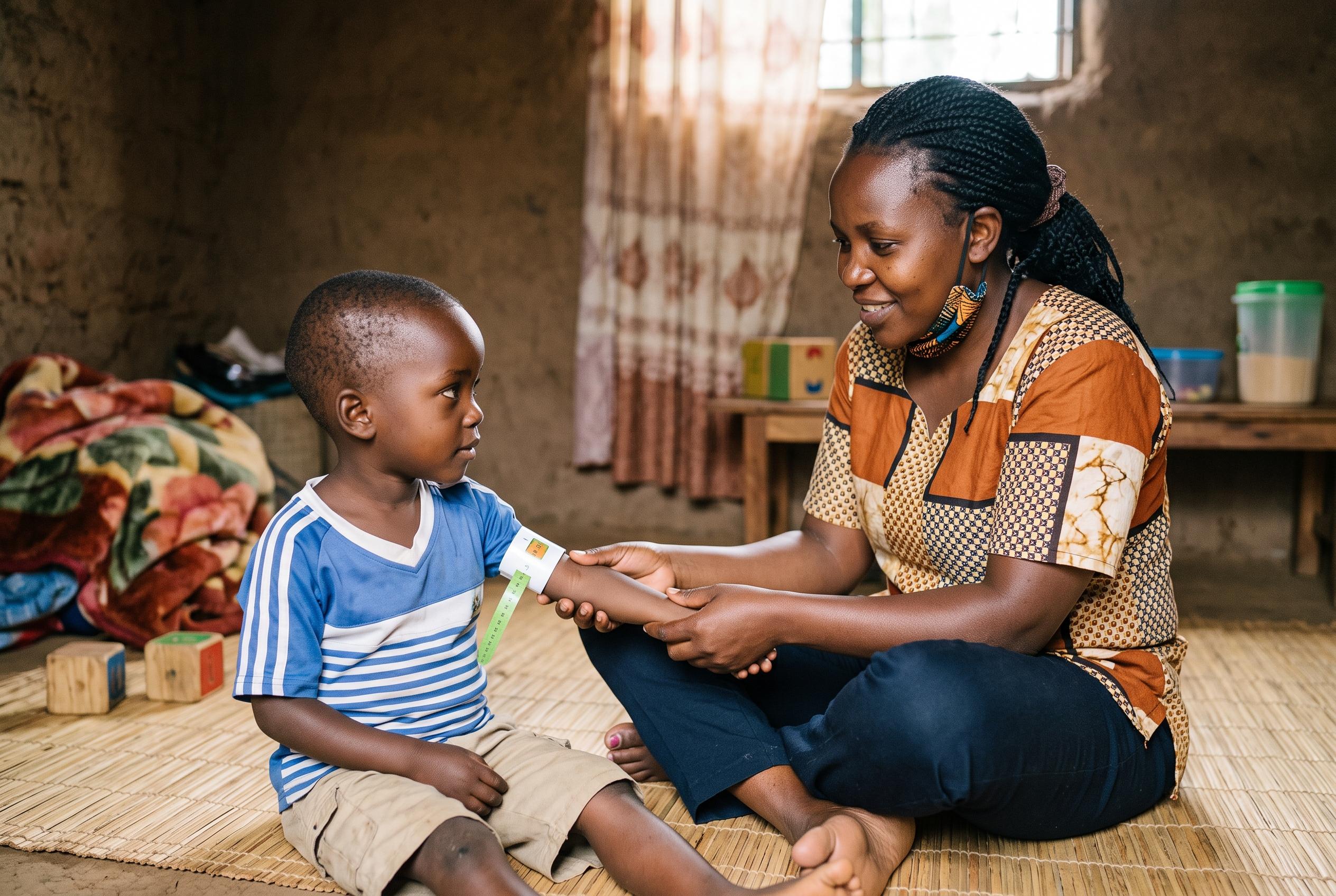

A new nine-category tool assigns each child one nutritional profile, aiming to prevent double counting and help health workers target treatment more precisely.
A team of researchers and public health specialists in Maharashtra has developed a new way of measuring child malnutrition that they say can give health workers a clearer picture of how many children are affected, and in what way. The Double Burden Index of Malnutrition, or DBI-PNGR, groups children into separate, non-overlapping categories so that the same child is not counted more than once when officials calculate the overall burden. According to the Indian Journal of Community Medicine and Public Health paper describing the method, that is designed to make planning and intervention easier and more accurate.
The problem the index addresses is not just technical. A child who is stunted may also be underweight, while another may be wasted and underweight at the same time, and a third may even be overweight while still facing other nutritional concerns. Dr Mrudula Phadke, a senior adviser to the National Health Mission and UNICEF who helped devise the system, told The Indian Express that the same child can fall into more than one nutritional category, which complicates both assessment and treatment. She said a wasted child and a stunted child often need different care, and the same is true of a child with obesity.
The method arrives at a time when Maharashtra continues to face a complicated nutrition landscape. The researchers cited National Family Health Survey figures showing that 19.9% of children are stunted, 29.5% are wasted, 31.4% are underweight and 1.5% are obese. Separate data cited by health resources for the state point to a heavy burden of anaemia among young children as well. At the same time, recent reporting on NFHS-6 has suggested improvement in some child nutrition indicators in Maharashtra, even as the state confronts a growing burden of adult obesity, diabetes and hypertension. Together, those trends underline the shift from a simple shortage model of malnutrition to a more mixed public health problem.
The DBI-PNGR seeks to capture that complexity in a form that can be used on the ground. Children are placed into nine categories, ranging from normal growth to combinations such as wasted and underweight, or stunted and overweight. Because each child is assigned to only one group, health workers can total the children in the malnutrition categories without double counting. In practical terms, that means an Anganwadi centre or health team can see not only how many children are affected, but also what kinds of nutritional problems are most common.
Paediatricians involved in the project say the tool could support earlier detection, more targeted treatment and better programme planning. Dr Uday Bodhankar, a former national president of the Indian Academy of Paediatrics, told The Indian Express that identifying nutritional problems early can help guide timely intervention and management. Dr Sanjeev Joshi, who heads the academy’s Maharashtra chapter, said paediatricians in the state would incorporate the assessment into routine practice and send the data for analysis. The researchers also say repeat assessments could help authorities track changes over time, though they stress that the index is not a substitute for individual clinical evaluation.
Disclaimer: This content is for informational purposes only and is not intended to be a substitute for professional medical judgment, advice, diagnosis, or treatment.



