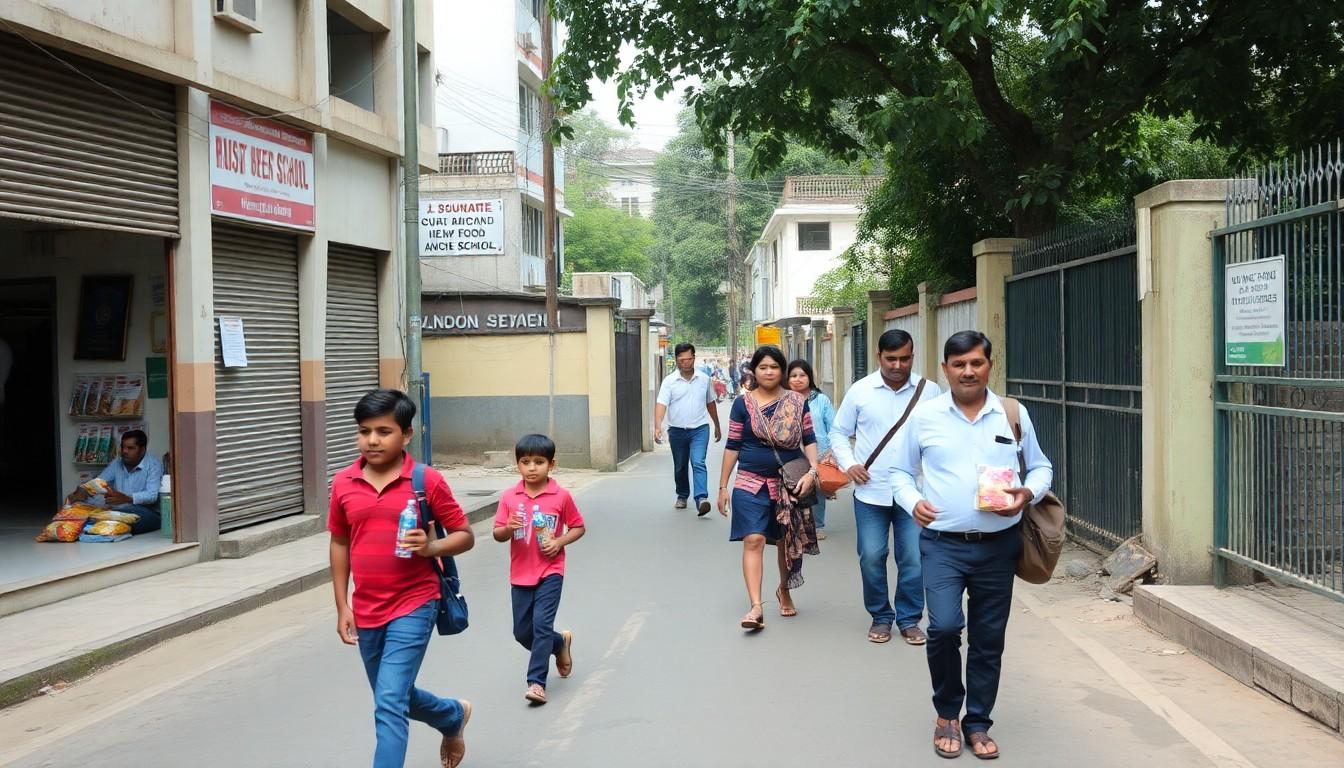

Maharashtra and Karnataka have introduced strict regulations to ban the sale, distribution, and advertising of high-fat, sugar, or salt foods within 50 metres of school campuses, aiming to combat rising childhood obesity in India.
Maharashtra and Karnataka have moved to tighten the food environment around schools, bringing in restrictions on the sale, distribution and advertising of foods high in fat, sugar or salt within school canteens and a 50-metre zone around campuses. The measures are designed to curb the easy availability of fried snacks, sugary drinks and other products often sold to children during the school day.
According to the Food Safety and Standards Authority of India’s 2020 regulations, schools are supposed to post warning notices at their entrances and prevent the sale or promotion of such foods in canteens, mess areas, hostel kitchens and nearby premises. The framework also places responsibility on schools and state food authorities to ensure compliance, giving the policy a legal basis that had been on the books before the latest state-level push.
In Maharashtra, officials have said school managements may be held accountable if they fail to enforce the rules, including by reporting unauthorised tuck shops operating close to school gates. Tukaram Mundhe, the state FDA commissioner, has also indicated that repeat breaches inside school premises could put affiliation with education boards at risk, underlining how seriously the authorities intend to treat violations.
The public health logic is clear. India is already facing a sharp rise in childhood obesity, particularly in urban and semi-urban areas where children are more sedentary and exposed to heavily marketed ultra-processed food. The lead article cites estimates of 41 million children with high BMI levels, including 14 million aged between five and 19, and projects that the number could reach 56 million by 2040 if current trends continue.
The approach is in step with a wider international pattern. Countries including Chile, Mexico, Sri Lanka, Malaysia, Taiwan and France have introduced school-based limits on junk food and soft drinks, while UNESCO’s Global Education Monitoring team warned last year that more than 40% of countries still lack such rules. For now, Maharashtra and Karnataka have placed themselves among the jurisdictions trying to make schools less hospitable to unhealthy food marketing and easier for children to make better choices.
Disclaimer: This content is for informational purposes only and is not intended to be a substitute for professional medical judgment, advice, diagnosis, or treatment.