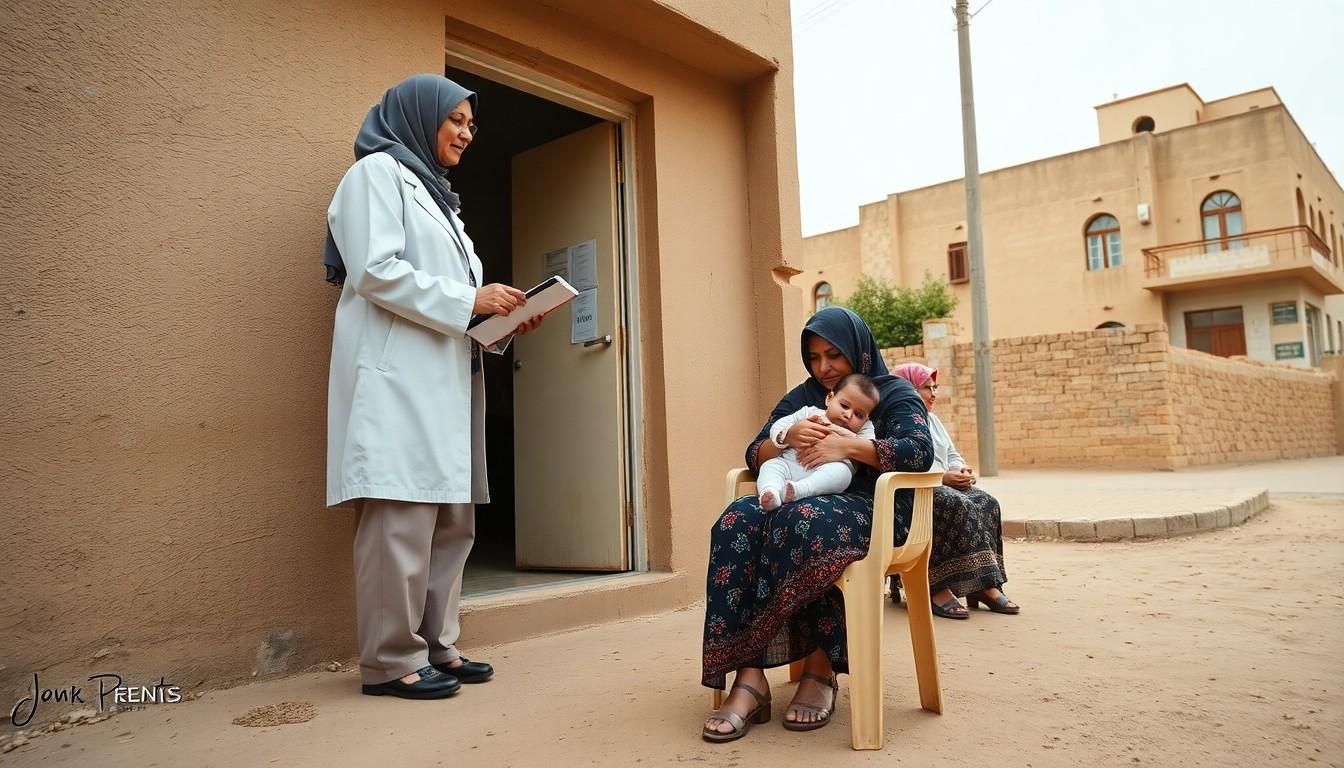

As Jordan observes World Breastfeeding Week, health officials underscore the importance of early feeding practices to improve infant survival and maternal health, amid concerning figures on exclusive breastfeeding and hospital practices.
Jordan marked World Breastfeeding Week at the start of August with a renewed warning that the country is still falling short on early feeding practices that health experts say can shape a child’s survival, growth and long-term wellbeing. The Higher Population Council said this year’s theme, “Breastfeeding for a sustainable start in life: support breastfeeding”, is intended to highlight progress in breastfeeding, better infant nutrition and health, and a wider role in reducing household poverty.
In a statement on Tuesday, the council said breastfeeding remains one of the strongest protections against infant illness and death, while also improving mothers’ health. It argued that the case is especially compelling for lower-income families, for whom formula milk can be expensive and later treatment for feeding-related health problems can add further strain. The World Health Organization and UNICEF recommend exclusive breastfeeding for the first six months, with continued breastfeeding alongside appropriate complementary foods afterwards, and the US Centres for Disease Control and Prevention has similarly described breastfeeding as a key public-health measure for mothers and babies.
Latest figures cited by the council from Jordan’s population and family health survey show that only 24% of children under six months are exclusively breastfed, while just 34% are put to the breast within the first hour after birth. The same data indicate that around half of newborns receive their first bath before six hours have passed, and that many are separated from their mothers soon after delivery, a practice the council says can undermine the start of breastfeeding. It said 20% of newborns were separated from their mothers immediately after birth in public hospitals, compared with 69% in private hospitals.
The council urged health authorities and maternity providers to adopt the full package of international breastfeeding support measures long promoted by WHO and UNICEF. Those include immediate skin-to-skin contact, helping mothers begin feeding within the first hour, keeping mother and baby together around the clock, avoiding unnecessary formula samples and ensuring health workers are properly trained to support breastfeeding. It also called for stronger controls on the marketing of breast-milk substitutes and for greater education of families during pregnancy and after birth.
Disclaimer: This content is for informational purposes only and is not intended to be a substitute for professional medical judgment, advice, diagnosis, or treatment.