

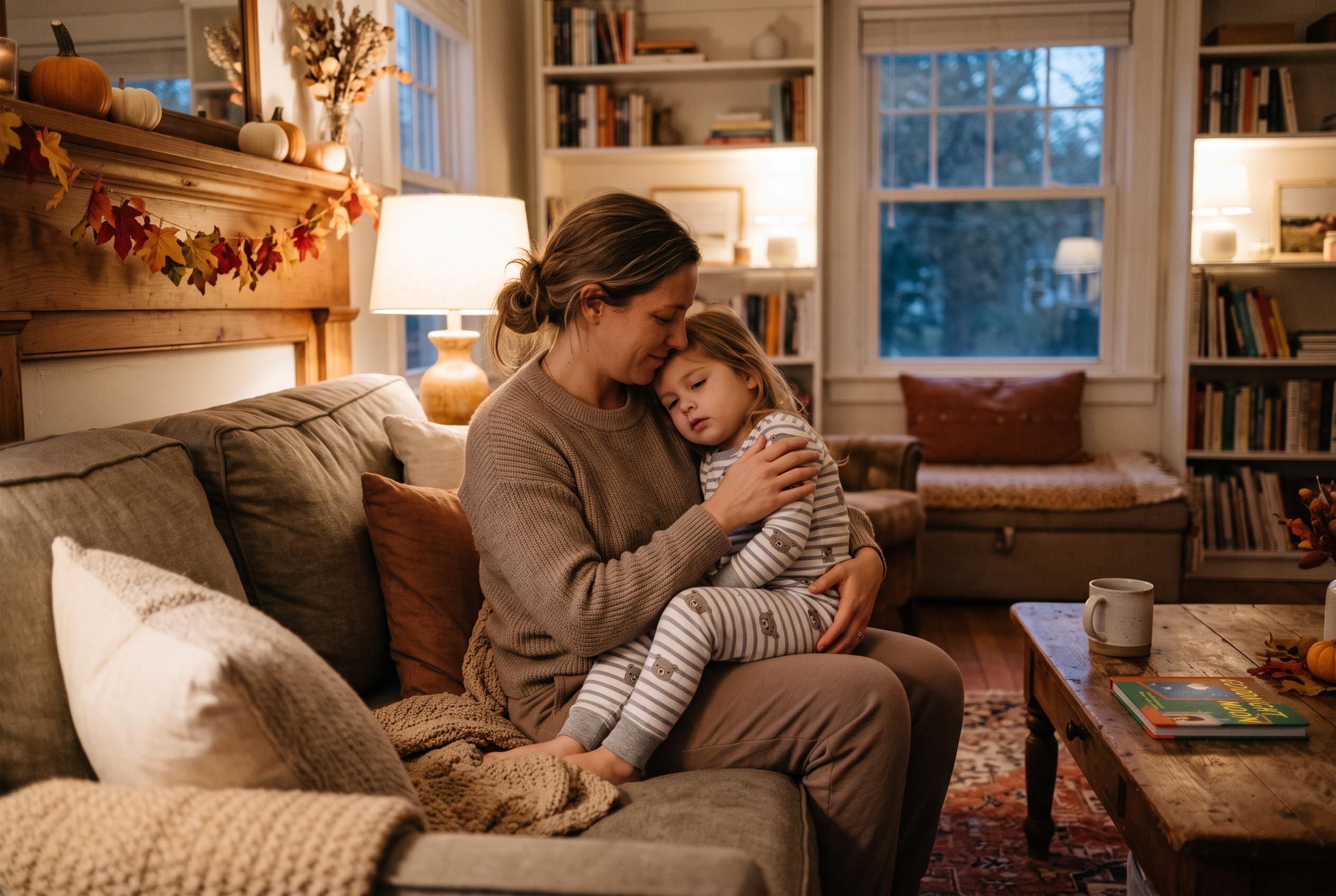

Late nights, excitement and disrupted routines may be more responsible for Halloween bedtime battles than sweets themselves, but better timing can help children settle.
Halloween may be a night of costumes, lanterns and loose routines, but parents do not need to assume it ends in chaos at bedtime. According to The Independent’s republished Conversation piece, the bigger challenge is often not sugar itself but the mix of excitement, later nights and disrupted habits that can leave children overstimulated long after the sweets are gone.
The idea of a dramatic “sugar rush” remains popular, yet the evidence suggests it is overstated. Research cited by the University of Rochester Medical Centre says sugar alone does not make children hyperactive, while Baylor College of Medicine notes that any quick lift from candy is typically brief and may be followed by a slump as blood sugar falls again. Much of what adults interpret as hyperactivity is more likely tied to the atmosphere of the occasion, rather than the lollies themselves.
That matters because Halloween can load several sleep disruptors on top of one another. Children are often out later than usual, surrounded by noise, bright lights and the excitement of trick-or-treating, all of which can increase adrenaline and make it harder to settle. Sleep.com says those late evenings, rather than sugar alone, are usually the main reason children struggle to wind down after the holiday.
Eating sweets too close to bedtime can still make sleep worse. The Conversation article says sugary, ultra-processed snacks can raise blood sugar, increase wakefulness and, in some cases, leave children thirsty or needing the toilet later in the night. Chocolate can be a particular problem because it contains small amounts of caffeine, which can add to the alerting effect.
The practical answer is not to spoil the fun, but to time it better. Parents are advised to offer treats earlier in the evening and avoid sugary snacks in the three hours before bed. A proper dinner with carbohydrates, protein and healthy fats can help steady blood sugar, while familiar bedtime routines such as a bath, brushing teeth, reading and dimming the lights can cue the body towards sleep.
Small adjustments can also help after the bags of candy come home. A small glass of water may reduce dehydration, but not so much that it leads to bedwetting. Leftovers should be managed deliberately rather than left within easy reach, and any effort to burn off energy is best kept gentle: light stretching may help, but vigorous play is more likely to prolong the bedtime battle. In short, Halloween need not become a sleepless one, so long as the excitement is allowed to fade before the lights go out.
Disclaimer: This content is for informational purposes only and is not intended to be a substitute for professional medical judgment, advice, diagnosis, or treatment.



