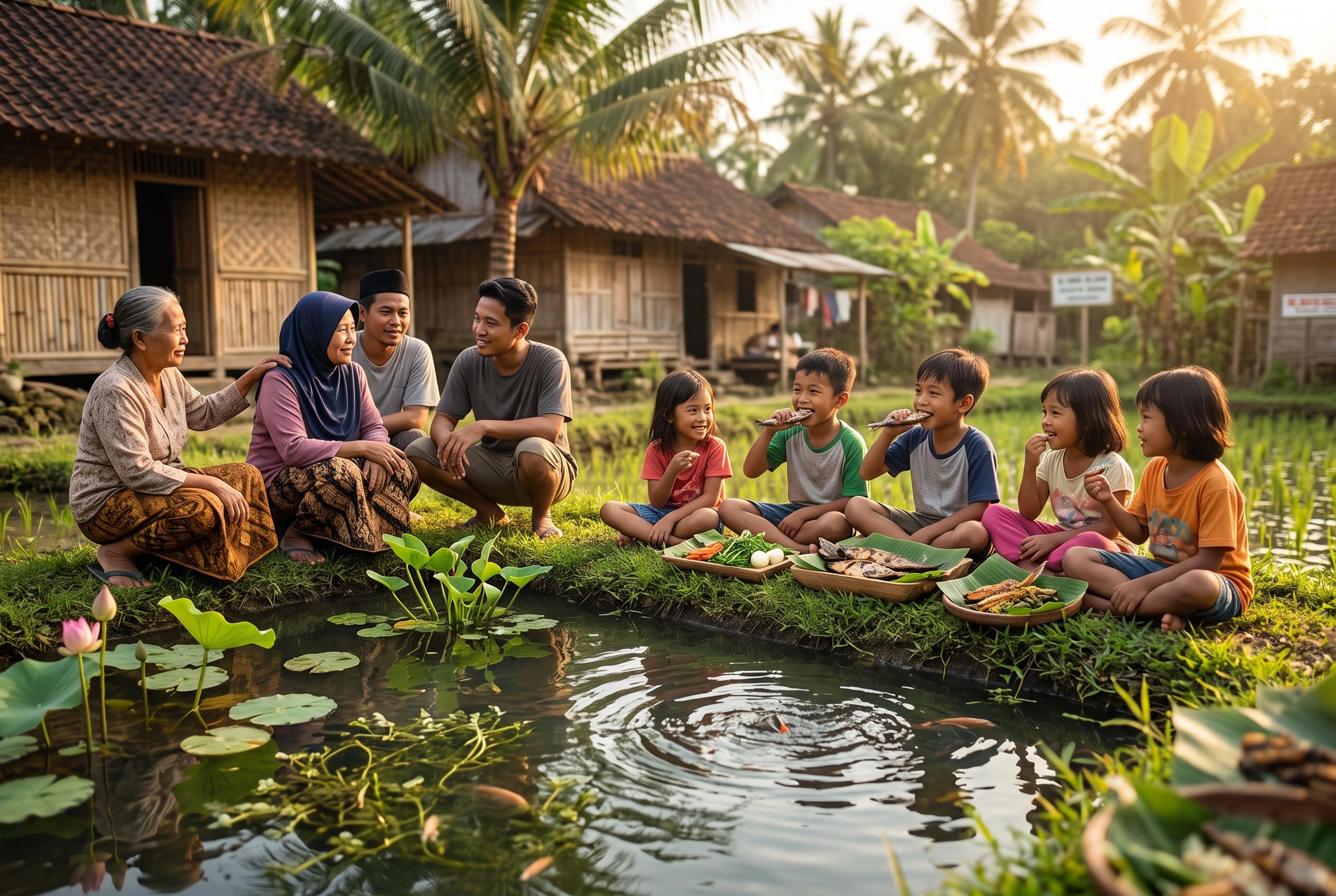

A small fishpond in Sumba’s Napu Village is transforming child nutrition by providing free fish and tackling cultural food taboos, marking a innovative approach to fighting stunting in low-income communities.
A small fishpond in Napu Village, on Indonesia’s island of Sumba, is offering one practical answer to a stubborn child-health problem. According to the Anabaptist World report, community health worker Muka Hamba Kodi has spent years worrying about stunting among young children in the village, where about one in four children under five are affected.
The new pond, built above ground beside the village head’s home for security, supplies free catfish to families whose children are already stunted or are at risk of malnutrition. Kodi and other health workers take turns feeding the fish, checking the water and keeping the pond running. He says the project matters because fresh fish is not always easy to find, even in a place surrounded by sea, and when it does arrive it can be too costly for many families.
The effort is part of a three-year programme led by Solidaritas Perempuan dan Anak Sumba, or SOPAN, a volunteer-based group that has worked in Sumba since 2006 on issues affecting women, children and other vulnerable communities. SOPAN’s wider work has included public education campaigns and local-language health outreach, and the fishpond is being paired with vegetable gardens so families can widen the range of food they cook at home. Research from the University of Nusa Cendana in nearby Southwest Sumba has found that income, maternal education, health knowledge, infection history and eating habits are all linked to stunting, underlining why the project is trying to address both food access and behaviour.
That mix of nutrition and education is visible in the home of Febriani Bangu Kahi, a mother of two whose 3-year-old daughter had been stunted but is now growing at a normal rate. Kahi says she once avoided giving fruit to her children because she believed it could upset their stomachs, but now she serves bananas and papayas and grows her own vegetables. Community health workers also tackle long-held food taboos, including beliefs that some nutritious foods can harm pregnant women or their babies, by showing families how to prepare meals differently and vary staples such as rice with cassava or corn.
Disclaimer: This content is for informational purposes only and is not intended to be a substitute for professional medical judgment, advice, diagnosis, or treatment.