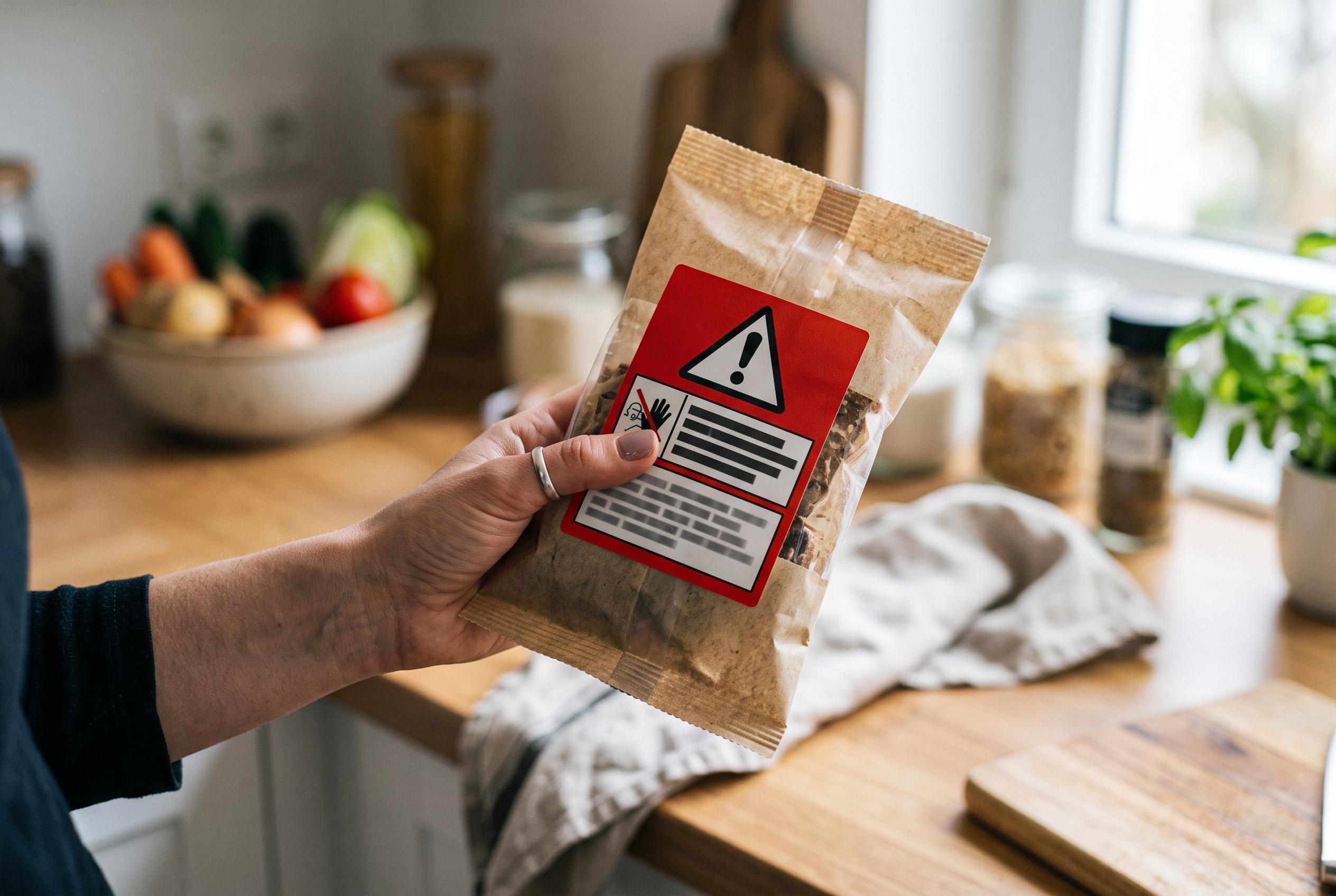

The Supreme Court of India has indicated backing for immediate implementation of expanded warning labels on food packaging, potentially redefining regulatory standards amid industry lobbying and health advocacy efforts.
India’s top court has signalled support for tougher warning labels on packaged foods, after the country’s food regulator said it was prepared to abandon a phased rollout and introduce the rules in one step. The move could sharpen pressure on a $100 billion food and drinks market at a time when India is confronting rising obesity and growing scrutiny of ultra-processed products.
The Food Safety and Standards Authority of India had initially proposed a two-stage system for red, hexagonal warning symbols on packs that exceeded limits in at least two of three nutrients: added sugar, salt or saturated fat. But judges questioned why the regulator was not moving faster, and one justice pressed the government’s lawyer on whether a label would appear only when products were high in both sugar and salt. In response, the regulator said it could implement the changes “in one go”, which would broaden the warning to foods high in any one of the three nutrients.
The court’s intervention follows months of campaigning by health advocates, who argue the proposed two-nutrient threshold would leave too many products outside the warning system. Legal and health groups say the 100-gram basis under discussion is important because it would make labels harder to avoid by shrinking serving sizes, while industry voices have pushed for per-serving disclosures instead. The All India Food Processors’ Association has warned that a broad warning regime could sweep up staples and damage the international image of Indian food.
The debate has become more intense after Reuters reported that India had opted for a weaker version of the labelling plan following lobbying from Coca-Cola and groups aligned with Nestle and PepsiCo. The issue sits within a wider food-safety crackdown, as regulators have carried out surprise inspections and closures over hygiene failures. The Supreme Court has said it is acting in the interest of public health, particularly children, and is expected to issue a written order soon.
Disclaimer: This content is for informational purposes only and is not intended to be a substitute for professional medical judgment, advice, diagnosis, or treatment.