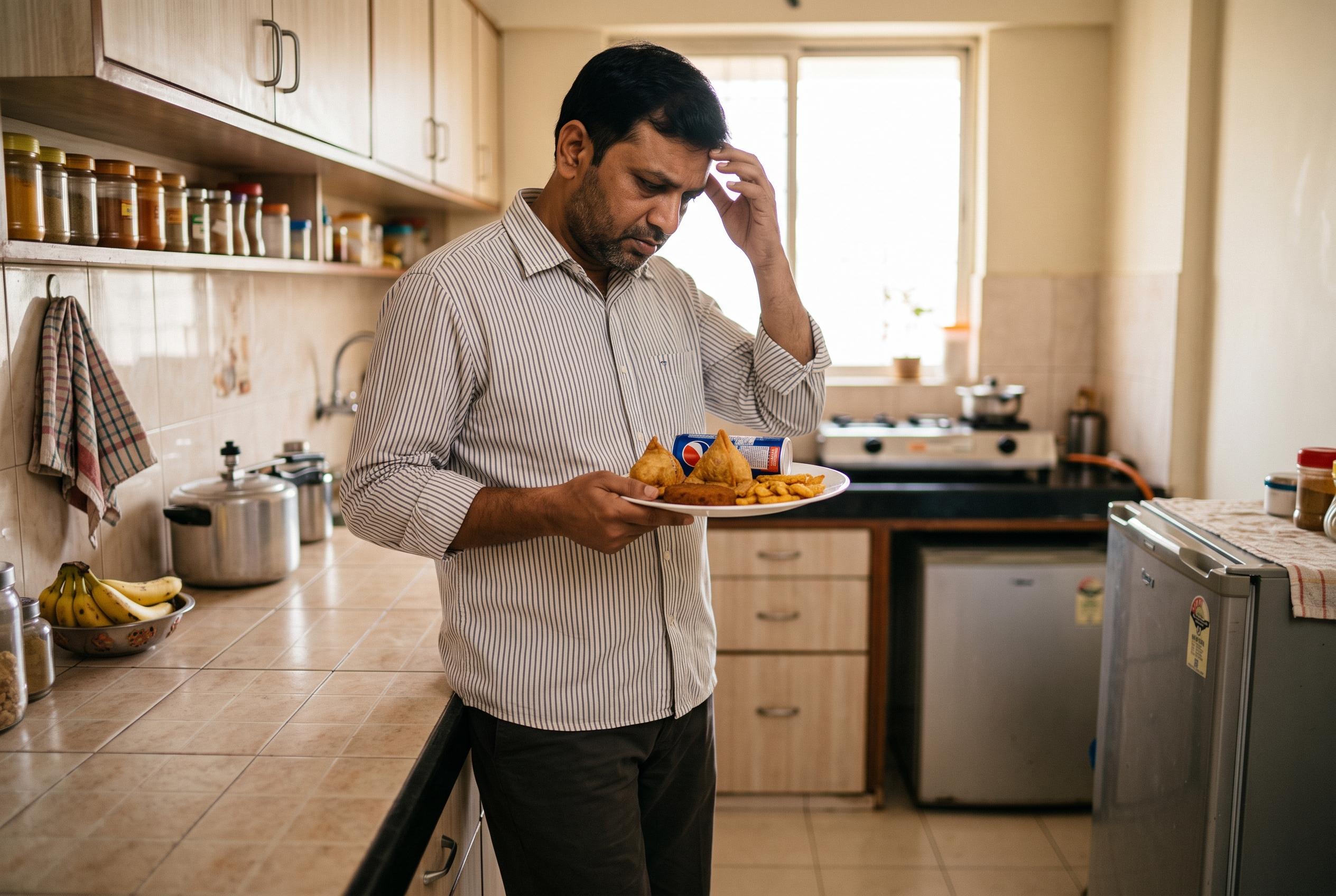

A growing prevalence of fatty liver disease, now known as MASLD, is affecting up to 32% of India’s population across all age groups, with early detection and lifestyle changes being key to reversing the alarming trend.
India is confronting a fast-growing liver health problem that specialists say is no longer confined to adults with obvious risk factors. Doctors quoted in TV9 Hindi say fatty liver disease, now more precisely termed MASLD, may affect between 16% and 32% of the population, a burden that could translate into roughly 120 million people. The concern is sharpened by evidence that the condition is often silent until it has already advanced.
That warning is backed by wider research. A review of more than 50 studies involving over 26,000 people found that 38.6% of Indian adults had non-alcoholic fatty liver disease, with the rate rising to 52.8% among people with diabetes or obesity. The same analysis found disease in 35.4% of children and in 63.4% of children with obesity, underscoring that the problem is appearing early in life as well as in middle age. HealthShots reported that about 27% of young Indian adults may be affected, including people with a normal body mass index, which suggests that weight alone does not capture the scale of the risk.
The pattern is closely tied to India’s wider metabolic disease burden. Doctors say type 2 diabetes, obesity, high blood pressure, excess abdominal fat and insulin resistance are among the main drivers. The Times of India has reported that the condition often goes unnoticed because there is no standard screening programme, while the Indian Express said the disease has been rising sharply since 1990 as diabetes and obesity have become more common. Sedentary work is also part of the picture, with some research pointing to higher risk in information technology employees and urban populations exposed to long hours of sitting and calorie-dense diets.
Although the disease is widespread, experts say the health system is still catching up. TV9 Hindi reported that a recent nationwide survey of liver specialists found gaps in diagnosis and treatment practices, suggesting that care pathways have not yet matched the scale of the problem. Other reports have highlighted non-invasive testing such as FibroScan, which can assess liver stiffness and help detect damage earlier, but specialists stress that prevention remains more effective than waiting for advanced disease.
The advice from clinicians is straightforward: screen for related conditions, then act on what is found. Balanced meals, regular exercise and sustained weight management can reduce the chance of fatty liver developing or progressing, particularly for people with diabetes, high blood pressure or central obesity. As the Indian Express noted, early-stage fatty liver can often be reversed, but only if it is identified in time. Without broader awareness and earlier intervention, doctors warn, the country’s liver disease burden is likely to keep climbing in the years ahead.
Disclaimer: This content is for informational purposes only and is not intended to be a substitute for professional medical judgment, advice, diagnosis, or treatment.