

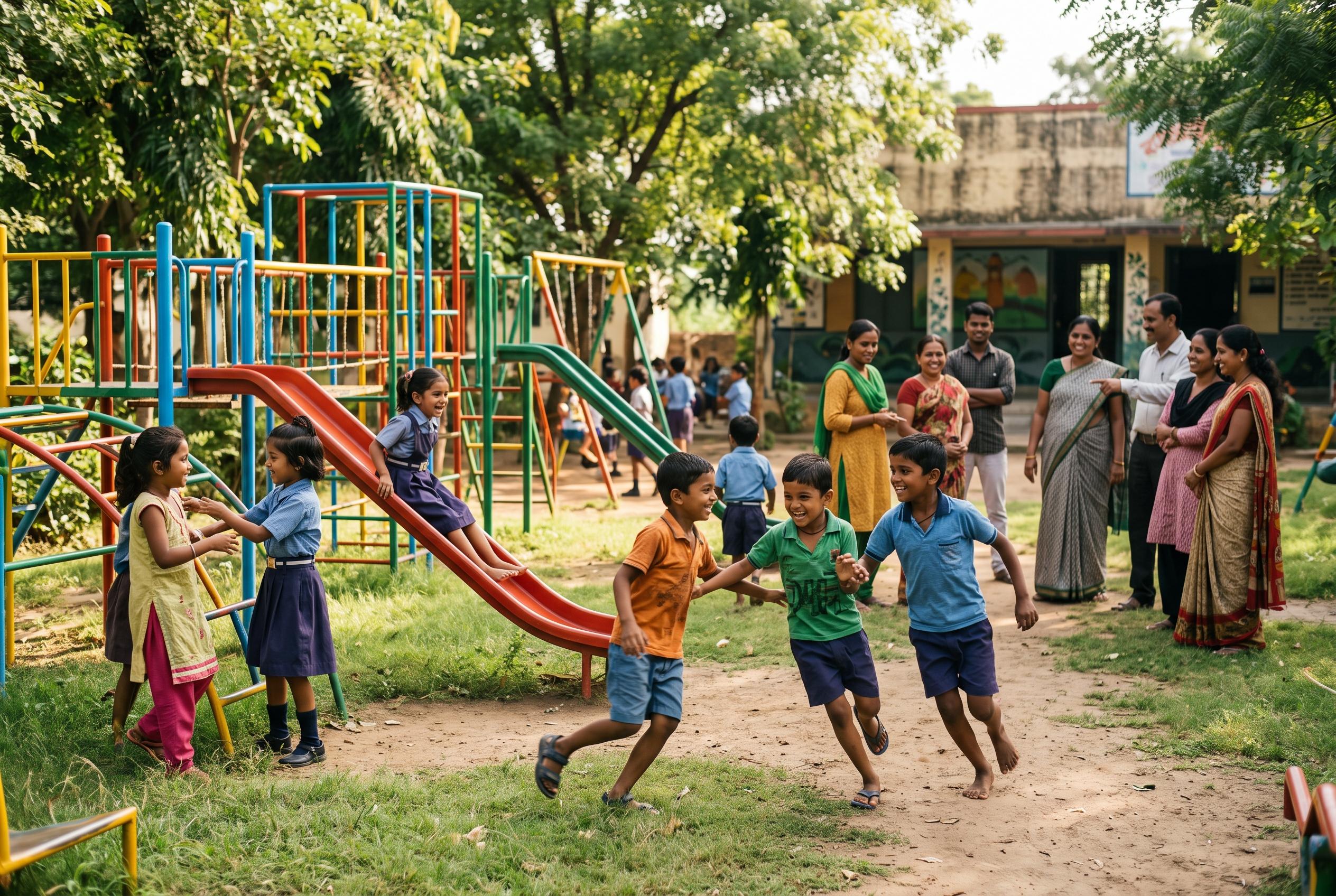

With tens of millions of Indian children already living with overweight or obesity, new WHO guidance highlights the need for family, school and policy action before lifelong disease takes hold.
India’s growing childhood obesity crisis is becoming a public-health emergency that reaches far beyond appearance or body weight. The World Health Organisation’s first global guidelines on the integrated management of obesity in children and adolescents offer a timely framework, but their impact in India will depend on whether families, schools, doctors and policymakers treat obesity as a long-term medical and social challenge rather than a short-term lifestyle issue.
According to the Telangana Today editorial, India could account for more than 11% of the world’s childhood obesity burden by 2030 if current patterns continue. The scale is already stark: the World Obesity Atlas 2026 estimates that more than 14.9 million Indian children aged five to nine, and 26.4 million adolescents aged 10 to 19, were living with overweight or obesity in 2025. Those numbers matter because childhood obesity is rarely isolated. It is linked to a higher risk of hypertension, abnormal blood lipids, diabetes and fatty liver disease, as the Indian Academy of Paediatrics warned in its 2023 guidance.
The WHO’s new guidance distinguishes between younger children and adolescents, and places lifestyle change at the centre of care. For children aged 0 to 9, the organisation rejects weight-loss drugs, bariatric surgery and medical devices because of concerns about safety and long-term benefit. For adolescents, medication may be considered only when supervised lifestyle programmes do not work. That approach reflects a broader shift in thinking: obesity is not simply the result of individual choices, but also of environments that make unhealthy food cheap, easy to obtain and heavily marketed, while physical activity and healthy routines become harder to sustain.
That wider context is especially relevant in India, where undernutrition and obesity often coexist in the same communities, and sometimes in the same households. The editorial is right to stress that children with poor access to nutritious food are more likely to rely on low-quality diets, while stress, low self-esteem, depression and social isolation can deepen the problem. Tackling obesity, then, cannot be left to clinic visits alone. Schools, primary care and family-based behaviour change all need to be part of the response, along with national policies that make healthier choices more realistic.
The challenge is urgent because the costs rise quickly when weight problems begin early. The editorial notes that India could have 20 million children living with obesity by 2040, alongside 56 million who may be overweight, while as many as 120 million school-age children could show early signs of chronic illness linked to high body mass index. If those trends are allowed to continue, the result will not just be more childhood illness, but a heavier burden of diabetes, heart disease and other non-communicable diseases in adulthood. The WHO’s guidance therefore serves as more than a clinical document: it is a reminder that prevention, not late intervention, must be the country’s first line of defence.
Disclaimer: This content is for informational purposes only and is not intended to be a substitute for professional medical judgment, advice, diagnosis, or treatment.



