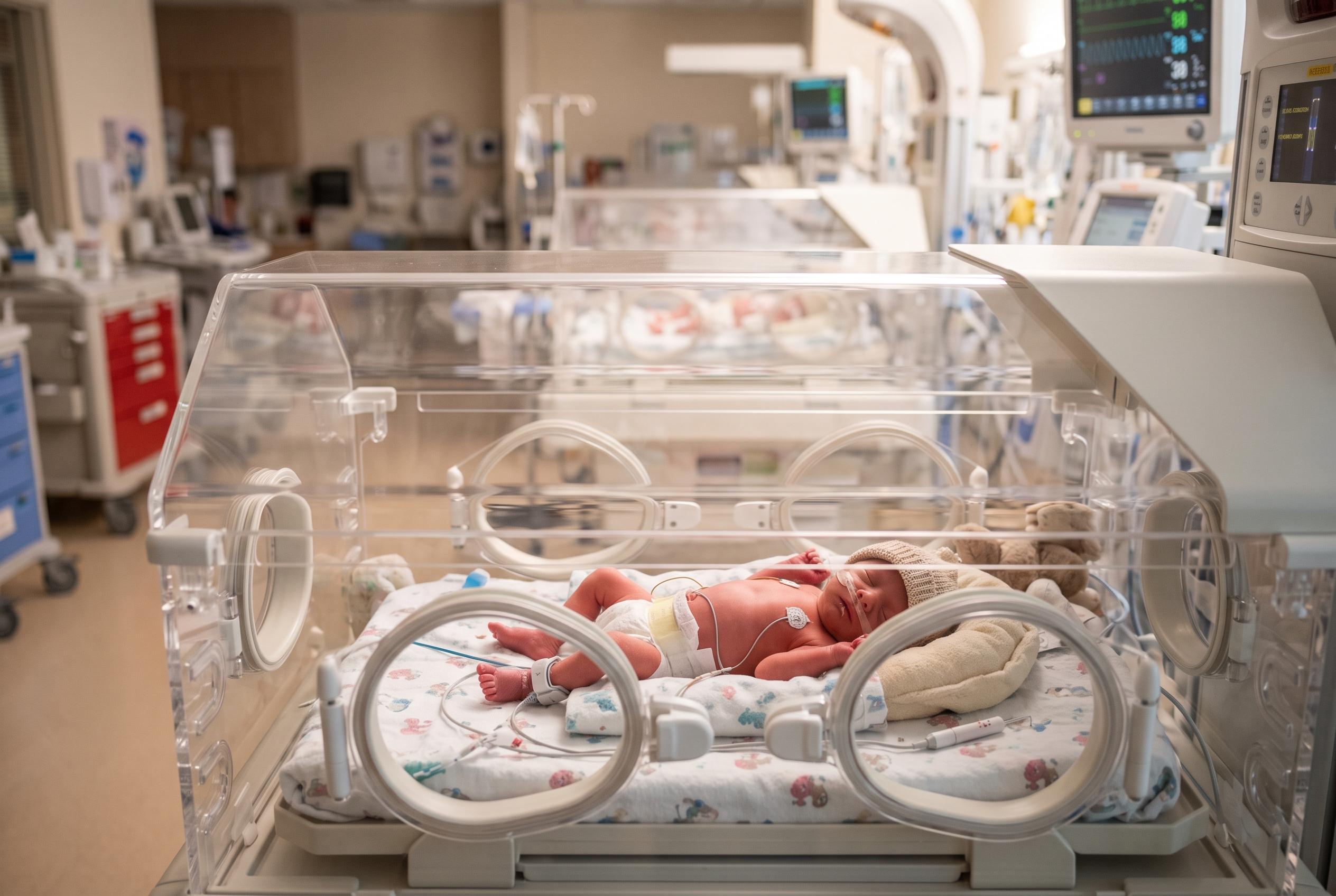

New research suggests the gut microbiome could play a crucial role in retinal vessel development in preterm babies, potentially opening new avenues for protecting sight through nutritional strategies involving fatty acids like DHA and AA.
A new article in Pediatric Research is drawing attention to a possible biological chain linking nutrition, the gut microbiome and retinopathy of prematurity, a sight-threatening disorder that can affect babies born too soon. The paper focuses on two fatty acids, arachidonic acid and docosahexaenoic acid, and asks whether their use in neonatal feeding may influence the intestinal environment in ways that matter for the retina.
That question matters because premature infants enter the world before several organs have finished developing, including the retina, which is still building its blood-vessel network. Once birth interrupts that process, oxygen exposure, inflammation, infection and unstable nutrition can all disturb normal vessel growth. The result can be retinopathy of prematurity, in which abnormal vessels develop and threaten vision.
The role of docosahexaenoic acid, or DHA, has long attracted interest in retinal development. Older studies indexed by PubMed describe DHA as important for infant retinal growth, while later work has shown that the retina maintains unusually high levels of the fatty acid and actively conserves it. Experimental research has also suggested that DHA can help retinal cells survive, reinforcing the idea that premature babies may benefit from an outside source during this rapid developmental period.
Arachidonic acid, or AA, is part of the same nutritional conversation. Research on retinal tissue has examined how AA is metabolised into oxygenated compounds that affect ocular function, while newer reviews have highlighted the broader importance of DHA and related lipids in preserving retinal integrity. Together, the two fatty acids shape inflammation, immune signalling and vascular behaviour, which means their balance may be as important as their absolute levels.
The new article argues that the gut microbiome could be a missing piece in that picture. In preterm infants, bacterial communities are shaped by antibiotics, feeding method, hospital exposure and gestational age. Those microbes can alter nutrients, generate metabolites and influence immune responses that do not stay confined to the intestine. The challenge for researchers is to show whether AA and DHA change that microbial ecosystem in a way that then affects retinal blood-vessel development, rather than simply accompanying prematurity and illness.
For now, the work is best read as a framework for future research rather than a call to change neonatal practice. Current care for retinopathy of prematurity still depends on oxygen control, nutrition support, screening and established eye treatment when needed. But the article suggests a wider possibility: that preterm nutrition may carry biological instructions, not just calories, and that the gut–retina axis could become a useful target for protecting sight.
Disclaimer: This content is for informational purposes only and is not intended to be a substitute for professional medical judgment, advice, diagnosis, or treatment.