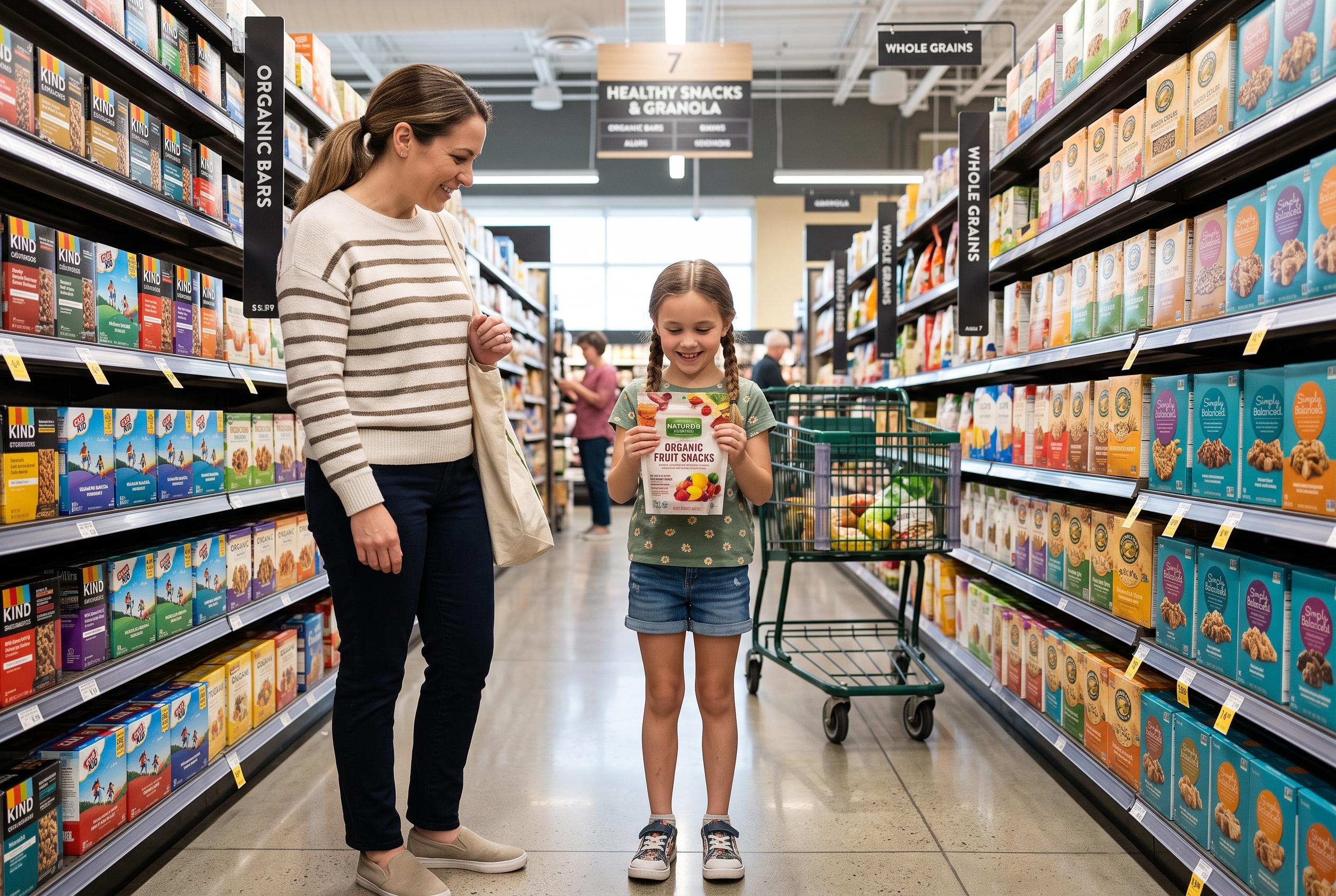

Children in Generation Alpha are influencing family shopping habits with preferences for healthier snacks, transparent ingredients, and purpose-driven products, signposting a shift in future consumer markets.
Children in Generation Alpha may not be paying at the till yet, but they are already shaping what ends up in family shopping baskets and, in time, what the snack industry sells. NielsenIQ says the choices made now could become lifelong habits, with early exposure helping to determine which brands, formats and messages win later in life. Chris Costagli, NIQ’s vice-president of food insights, said the foods people grow up with often become the products they keep buying as adults.
That matters because the generation is showing a clear preference for snacks that feel healthier without losing appeal. According to NIQ, parents are increasingly steering children towards improved versions of familiar treats, while also using food to teach basic ideas about nutrition and ingredients. Costagli said some families are hiding vegetables in sweet smoothies or frozen treats, or buying upgraded versions of candy bars with less sugar, more fibre or more protein. He also said attractive packaging still plays a major role, especially when it helps a snack look fun while offering a better ingredient profile.
Parents are becoming more sophisticated shoppers, too. NIQ says they are far more likely to use scanning apps to assess snacks for children and to look for stronger composite scores rather than relying only on front-of-pack claims. Costagli said many are seeking products scoring 70 or above, while also teaching children how to distinguish between everyday foods and occasional treats. He added that about 28% of parents say they are actively educating their children about ingredients and nutrition so they can make better decisions as they get older.
Children themselves are already joining the conversation. NIQ says some Gen Alpha shoppers are raising questions about ingredients at the store, with a smaller share also drawing on what they have picked up from social media. The data show that protein, lower sugar and natural or organic ingredients are among the requests parents hear most often. More broadly, the generation appears to want snacks with a purpose: energy for sport or after-school activity, support for growth and brain development, hydration, and even mood or cognitive benefits.
The wider consumer picture suggests this is not just a snack story, but a preview of how younger shoppers may behave across categories. NielsenIQ and related industry research point to a generation that is highly digital, comfortable with AI tools and used to checking information before trusting it. In entertainment, Gracenote found that many Gen Alpha consumers already use chatbots daily, although most still verify the answers elsewhere. In beauty, another NIQ-backed study found that Gen Alpha discovers products online but still wants real-world validation and often prefers in-store shopping. Taken together, the findings suggest brands will need to offer clearer information, stronger functionality and more trust signals if they want to stay relevant as this cohort gains spending power.
Disclaimer: This content is for informational purposes only and is not intended to be a substitute for professional medical judgment, advice, diagnosis, or treatment.