

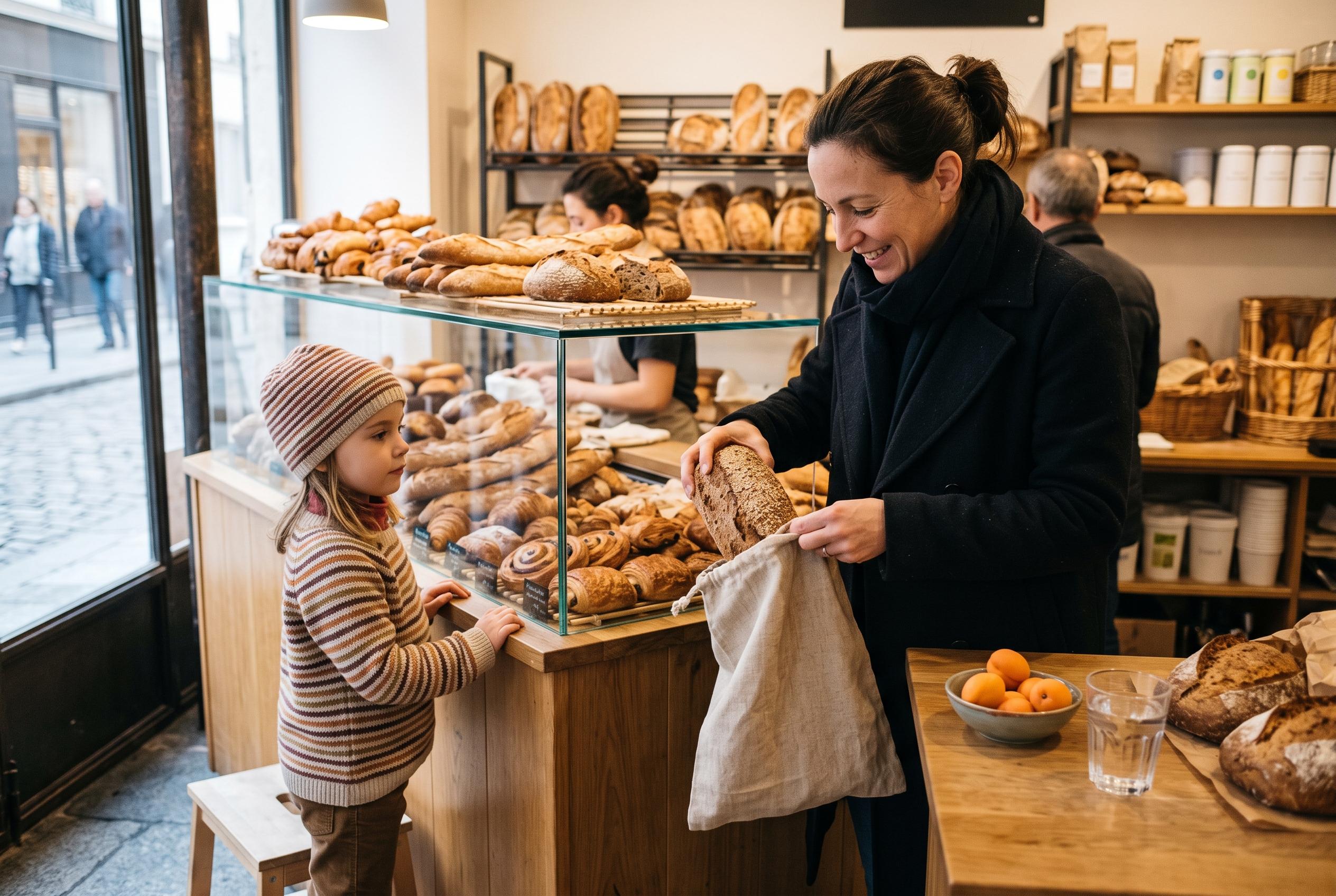

France is developing a controversial sugar tax targeting processed foods but aims to exempt traditional bakeries and artisanal products to preserve cultural heritage while tackling obesity and raising revenue.
France is preparing a sugar tax aimed at tackling obesity, but the plan has been drawn up with a distinctly French carve-out: products from traditional bakeries, including croissants and cakes, could be left untouched. According to Rapporteur, the proposal is being developed for the 2027 budget and is intended to curb obesity while also raising about €200 million in revenue. It would sit alongside France’s existing levy on sugary drinks, which officials have already expanded into a more graduated tax structure based on sugar content.
The draft measure, first reported by Contexte, would apply to foods containing more than 10 grams of sugar per 100 grams. Rates would run from €4 to €22 per 100 kilograms, depending on how sugary the product is. The target would be processed, pre-packaged items, which in practice would mean many supermarket products, while traditional bakers and artisanal producers could be exempt. The draft says the goal is to preserve French artisanal products.
The government’s case rests on both public health and cost. Obesity affects 17% of adults in France, and the draft text says illnesses linked to obesity, including diabetes and cancer, cost the health insurance system more than €50 billion in 2021. France has already moved against sugary drinks: official information from the justice ministry says a tax on sugar-sweetened beverages has been in force since 1 January 2026, with higher rates for drinks containing more added sugar. Legifrance also shows that Article 1613 ter of the tax code provides for a contribution on beverages and liquid preparations containing added sugars from 1 January 2027.
Industry groups have reacted angrily. Jean-François Loiseau, president of France’s national food industry association, ANIA, said this week that consumers would be left to “foot the bill”. Health and consumer advocates are split over whether the exemption for bakery goods makes sense. Audrey Morice, campaign manager at Foodwatch France, told Rapporteur that limiting the measure to food sold in supermarkets was defensible because most shopping is done there and many of the targeted products are heavily marketed to children. By contrast, the National League Against Obesity argued that pre-packaging alone is not a sufficient test and said artisanal products with similar nutritional profiles should also be considered.
Whether the proposal becomes law remains uncertain. Emmanuel Macron’s government does not have a majority in parliament, making the wider budget hard to pass, and the 2027 presidential election adds another layer of political risk. The debate also comes as other European governments struggle with similar ideas: Reuters reported that Germany’s Chancellor Friedrich Merz suspended plans for a tax on sugary drinks after doubts emerged over support inside his governing coalition.
Disclaimer: This content is for informational purposes only and is not intended to be a substitute for professional medical judgment, advice, diagnosis, or treatment.



