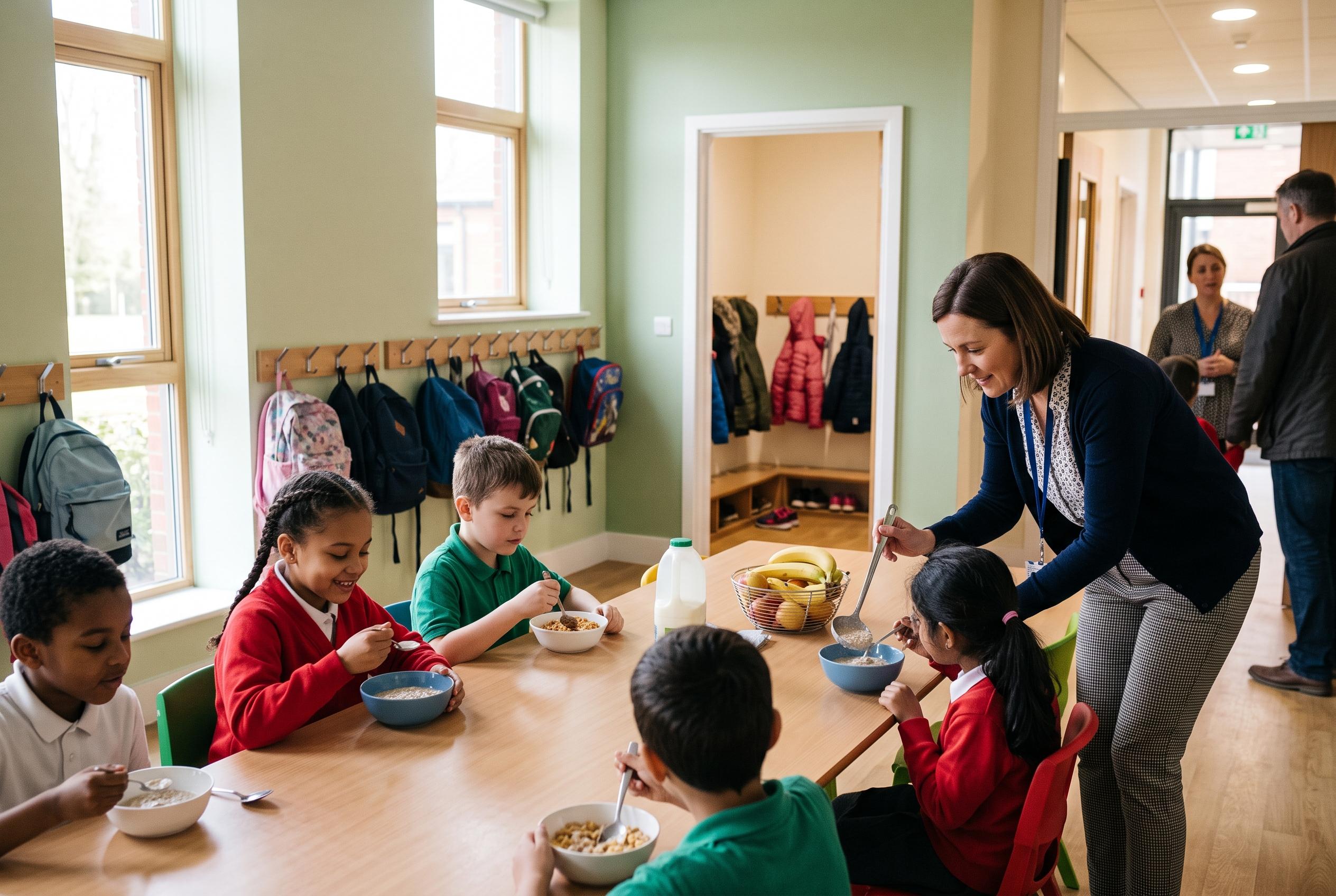

More than three million children in England from families on Universal Credit will now qualify for free school meals, alongside the introduction of nationwide breakfast clubs and support initiatives aimed at reducing childhood hunger and easing the cost of school-related expenses.
At the start of the new school term, more than three million children in England from families on Universal Credit will now qualify for free school meals, in what ministers are presenting as a major move to ease pressure on household budgets. The Government says the wider package, which also includes breakfast clubs and action on uniform costs, could save parents up to £1,200 a year.
The timing matters. September is often one of the most expensive points in the school calendar, with parents facing fresh outlays for uniforms, lunches, transport and childcare. Government-commissioned research suggests many families are already making difficult trade-offs to stay afloat during term time, with around one in three cutting back on treats or batch cooking to make food go further, and one in 10 turning to a food bank or community service for help.
Education Secretary Lucy Powell said the changes would finally put “thousands of savings” back into family budgets and give parents more room to manage the school run and the wider cost of raising children. The Government said eligible working parents who use state-funded childcare could save as much as £8,000 a year once the full package is in place.
The first wave of 1,400 free breakfast clubs is also due to open across the country, offering children a meal before lessons and giving parents help with early-morning childcare. Ministers say the clubs are intended to make mornings less stressful and ensure pupils arrive in class ready to learn. The Sutton Trust described the measures as an important step towards reducing hunger in schools and noted that simpler eligibility rules could improve take-up among families entitled to help.
The policy shift in England comes as the rest of the UK moves in a similar direction. Scotland is preparing to expand breakfast clubs so that every primary school pupil can access one by August 2027, while Wales already offers free breakfasts in participating primary schools. In England, the Government is also planning 9,000 childcare places from September 2026 and around 450 new or expanded school-based nurseries, alongside new school food standards due by the end of September.
Anna Taylor, executive director of The Food Foundation, said the free school meals expansion was the result of years of campaigning and could protect an extra 500,000 children from going hungry. She added that the policy would only deliver its full value if schools serve nutritious food and the system is properly monitored. Officials say the aim is not just to cut costs, but to improve children’s health, support learning and reduce the strain on families throughout the school year.
Disclaimer: This content is for informational purposes only and is not intended to be a substitute for professional medical judgment, advice, diagnosis, or treatment.