

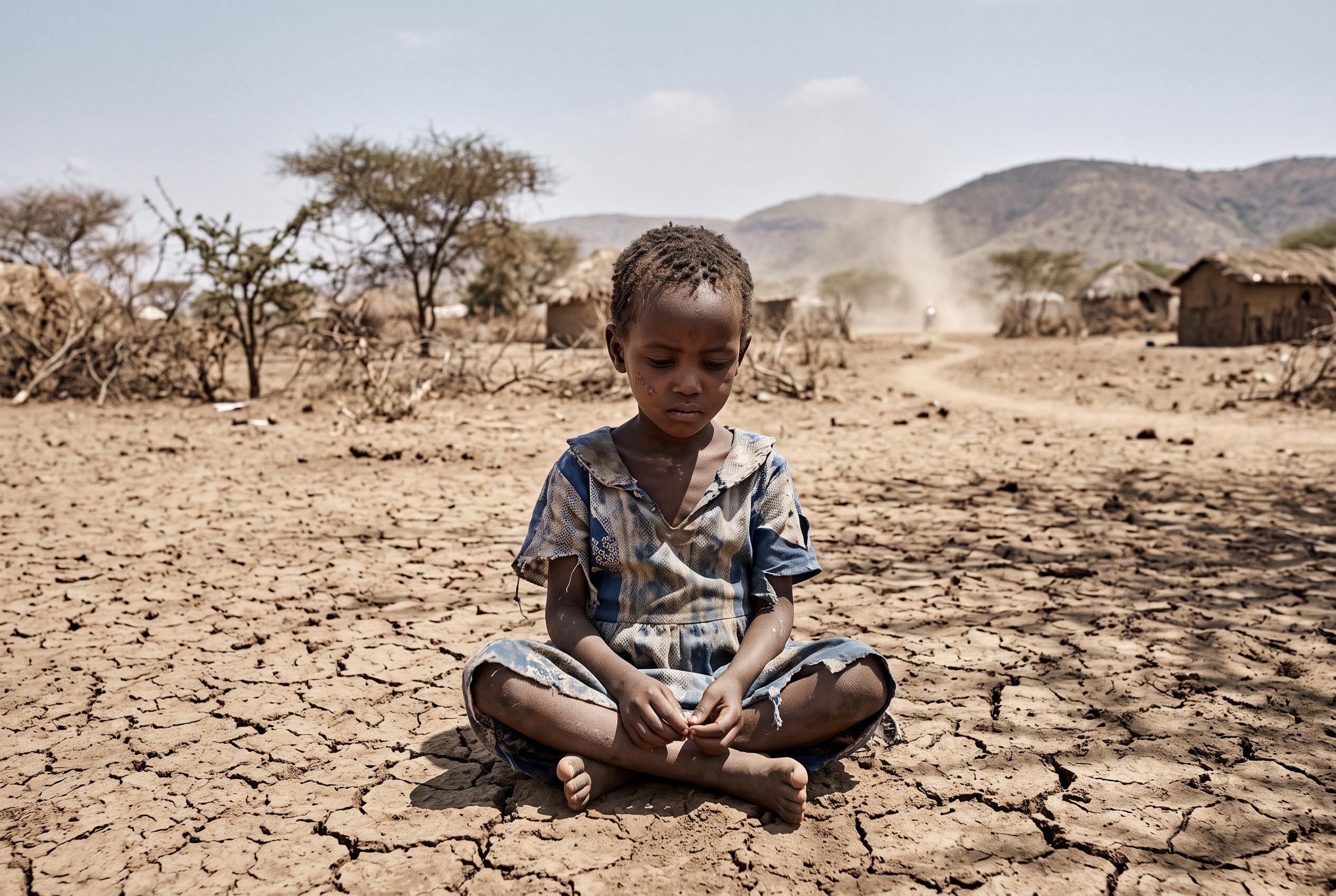

Over 154,000 children in Uganda’s Karamoja region face acute malnutrition amid worsening drought and food insecurity driven by El Niño, prompting calls for urgent aid and intervention.
In Uganda’s Karamoja region, more than 154,000 children aged six to 59 months are projected to suffer from acute malnutrition between August 2026 and February 2027, according to the latest Integrated Food Security Phase Classification analysis released on 7 September. The assessment says 38,779 of those children are expected to face severe acute malnutrition, while nearly 13,920 pregnant and breastfeeding women will also require nutritional support.
The situation has worsened since the spring, with the IPC linking the deterioration to El Niño-related climate shocks, deeper food insecurity and poor sanitation. Kotido and Kaabong districts are now classified in Phase 4, or Critical, while Amudat, Moroto, Nabilatuk and Nakapiripirit are in Phase 3, described as Serious. The IPC framework is the international standard used by aid agencies and governments to measure the severity of hunger and malnutrition.
The latest figures mark a sharp increase from June, when the projected number of malnourished children stood at 122,100 for the period from March 2026 to February 2027. Save the Children said on 10 September that drought conditions tied to El Niño had intensified the risks in a region where many households rely heavily on crops and livestock. The group warned that children were bearing the brunt of declining harvests, rising prices and fragile living conditions.
Food insecurity across Karamoja is also severe. The IPC says about 673,000 people, or 42% of the region’s population, were facing acute food insecurity at Phase 3 or above between August and October, the highest level recorded there since 2018. The number in Phase 4 nearly tripled to 118,000. For November 2026 to February 2027, the IPC expects 679,000 people to remain in Phase 3 or worse, with Kotido likely to be the hardest hit district.
The IPC attributed the broader downturn to prolonged dry spells that have devastated crops in some areas, early exhaustion of food stocks and basic food price rises of 15% to 25% compared with 2025. Losses of livestock, limited access to safe water and sanitation, and high rates of diarrhoeal and respiratory illness have further increased children’s vulnerability. It recommended expanded screening and treatment for acute malnutrition, pre-positioning therapeutic foods, stronger food and cash assistance, and investment in water points, irrigation and disease surveillance.
Disclaimer: This content is for informational purposes only and is not intended to be a substitute for professional medical judgment, advice, diagnosis, or treatment.



