

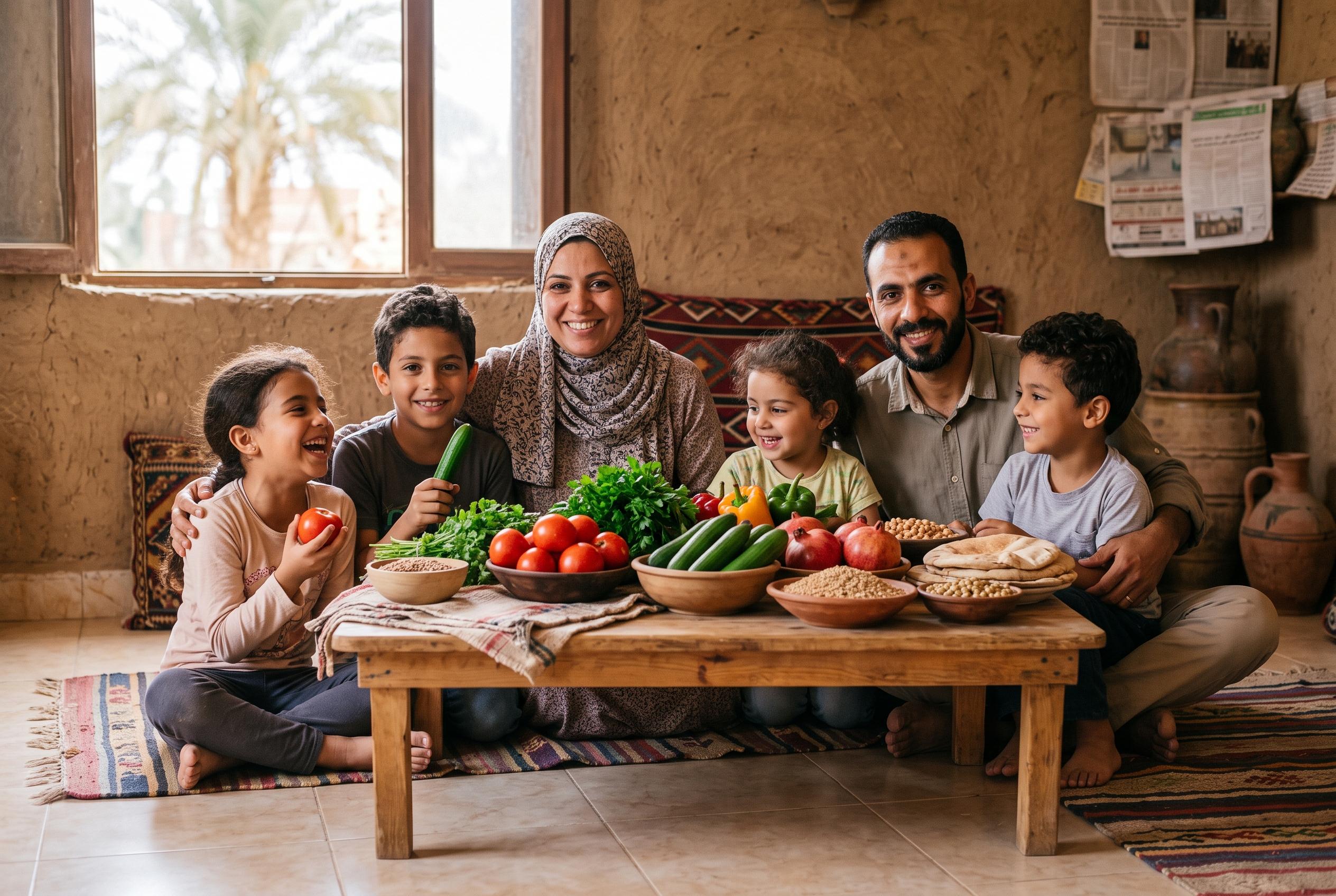

Egypt reports a dramatic drop in child anaemia from 42.3% to 8% between 2019 and 2026, alongside declining stunting rates, indicating significant advancements in child health and nutrition.
Egypt has reported a steep fall in child anaemia, with the rate dropping from 42.3% in 2019 to 8% in 2026, Health and Population Minister Khaled Abdel Ghaffar said during the country’s National Day to Combat Stunting. The ministry also said stunting fell from 6.9% to 4% over the same period, suggesting broader progress in child nutrition and growth.
The figures point to a marked improvement in health outcomes for young children in a country where malnutrition has long been a concern. UNICEF Egypt has said nutrition remains central to healthy growth and development, while noting that stunting, wasting and underweight rates among under-fives were still significant in earlier years.
Anaemia is typically caused by a lack of healthy red blood cells or haemoglobin, which reduces the body’s ability to carry oxygen. Iron deficiency is one of the most common causes. The World Health Organisation says iron is vital for child development and warns that iron deficiency and iron-deficiency anaemia can affect cognitive development and school performance.
Egyptian officials have also stressed the importance of the first 1,000 days of life, from pregnancy through early childhood, when nutrition can have the greatest impact on long-term health. The latest figures suggest the country’s efforts to address child malnutrition are producing results, even though experts and child health agencies continue to warn that sustained investment is needed to protect gains.
Disclaimer: This content is for informational purposes only and is not intended to be a substitute for professional medical judgment, advice, diagnosis, or treatment.



