

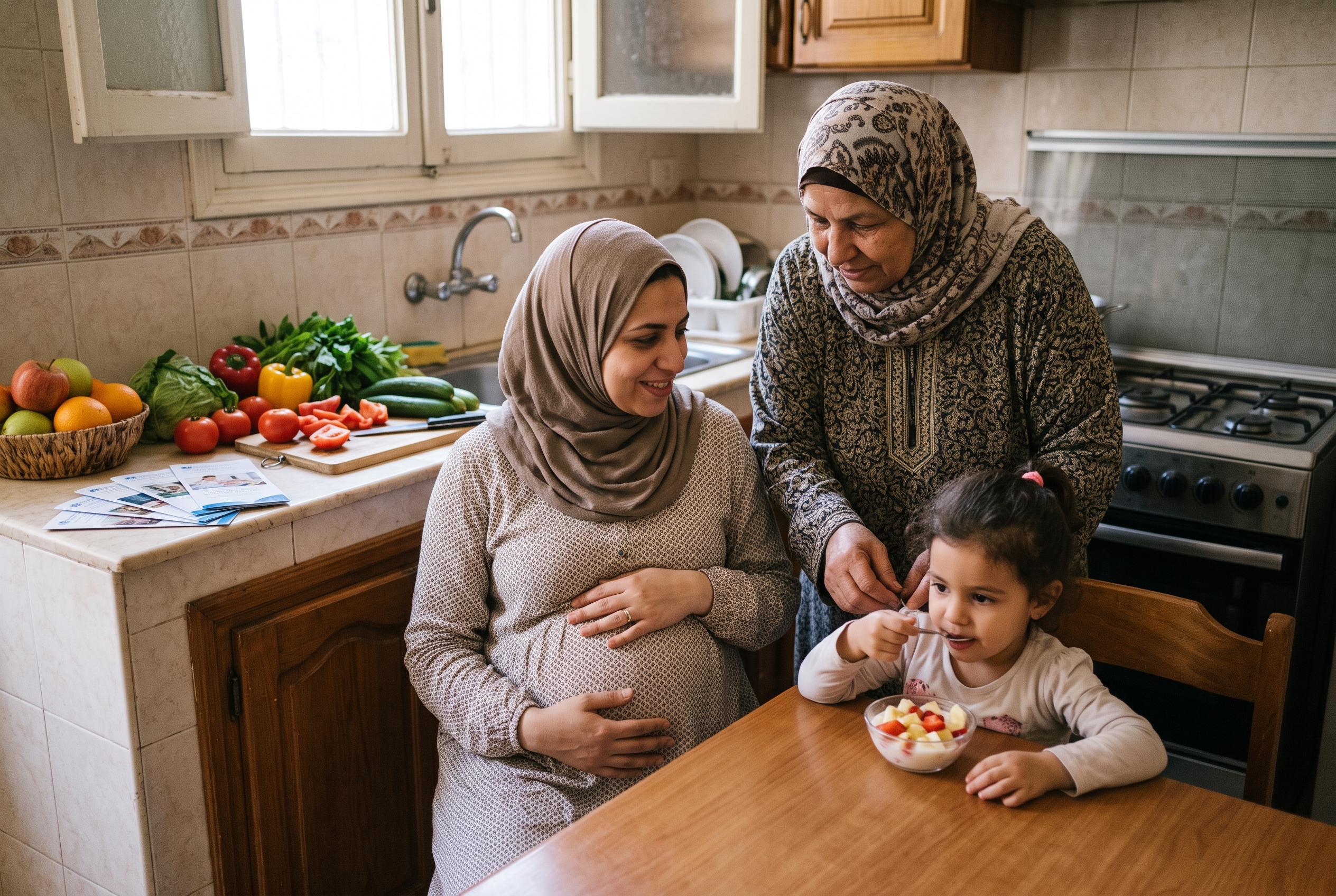

Egypt is expanding its Golden Thousand Days strategy, urging families to prioritise nutrition, antenatal care and birth spacing to cut child stunting from 13.7% to below 10%.
Egypt’s health ministry is stepping up efforts to curb child stunting by focusing on the period before pregnancy, during pregnancy and through a child’s first two years, according to remarks from Abla El-Alfi, the deputy minister for population affairs, family development and primary healthcare.
El-Alfi said prevention starts well before conception, with women advised to prepare for pregnancy around three months in advance and to ensure they are getting key micronutrients, especially folic acid. She said good nutrition, medical supervision and early antenatal care all play a part in helping a foetus develop properly and reducing the risk of growth problems later in childhood. Cairo24 reported that she linked stunting to shorter height than peers and noted that it can affect school performance, while also stressing that not every case is hereditary.
Her comments fit within Egypt’s wider “Golden Thousand Days” approach, which the Ministry of Health has framed around the period from conception until a child’s second birthday. The state-owned Information and Decision Support Centre has said the campaign, launched by Health Minister Khaled Abdel-Ghaffar, is designed to improve the health and development of mothers and babies by tackling nutrition, awareness and disease prevention at a stage when intervention can have lasting effects. Al-Ahram Gate reported that El-Alfi presented the initiative at a training session for community health leaders held with the World Food Programme.
The emphasis on the first 1,000 days is not unique to Egypt. UNICEF says this window is critical for detecting and preventing malnutrition early, strengthening primary healthcare and supporting pregnant and breastfeeding women with counselling and monitoring. That approach mirrors the ministry’s message that early care, proper feeding and regular follow-up can reduce the likelihood of stunting and other nutrition-related problems.
El-Alfi also said Egypt is aiming to reduce the stunting rate, which she put at about 13.7%, to below 10%, with an ambition of reaching 8% or even 7%. She said the target will depend on stronger awareness among families, wider use of primary healthcare services and better nutrition advice for mothers. The ministry is also trying to reshape family-planning messages so that they focus not just on the number of children, but on the quality of care each child receives, including spacing births so mothers can recover and children can be properly fed and monitored.
The broader strategy also reflects work already under way in Egypt to expand child nutrition counselling. Ashoka has described how El-Alfi helped introduce licensed child nutrition counsellors to support mothers in hospitals, clinics, community settings and homes, while UNICEF says its own partnership with the ministry has focused on antenatal care, breastfeeding promotion and counselling for women with young children. Together, those efforts point to a health strategy that treats stunting not as an isolated medical problem, but as a preventable outcome shaped by nutrition, timing and access to care.
Disclaimer: This content is for informational purposes only and is not intended to be a substitute for professional medical judgment, advice, diagnosis, or treatment.



