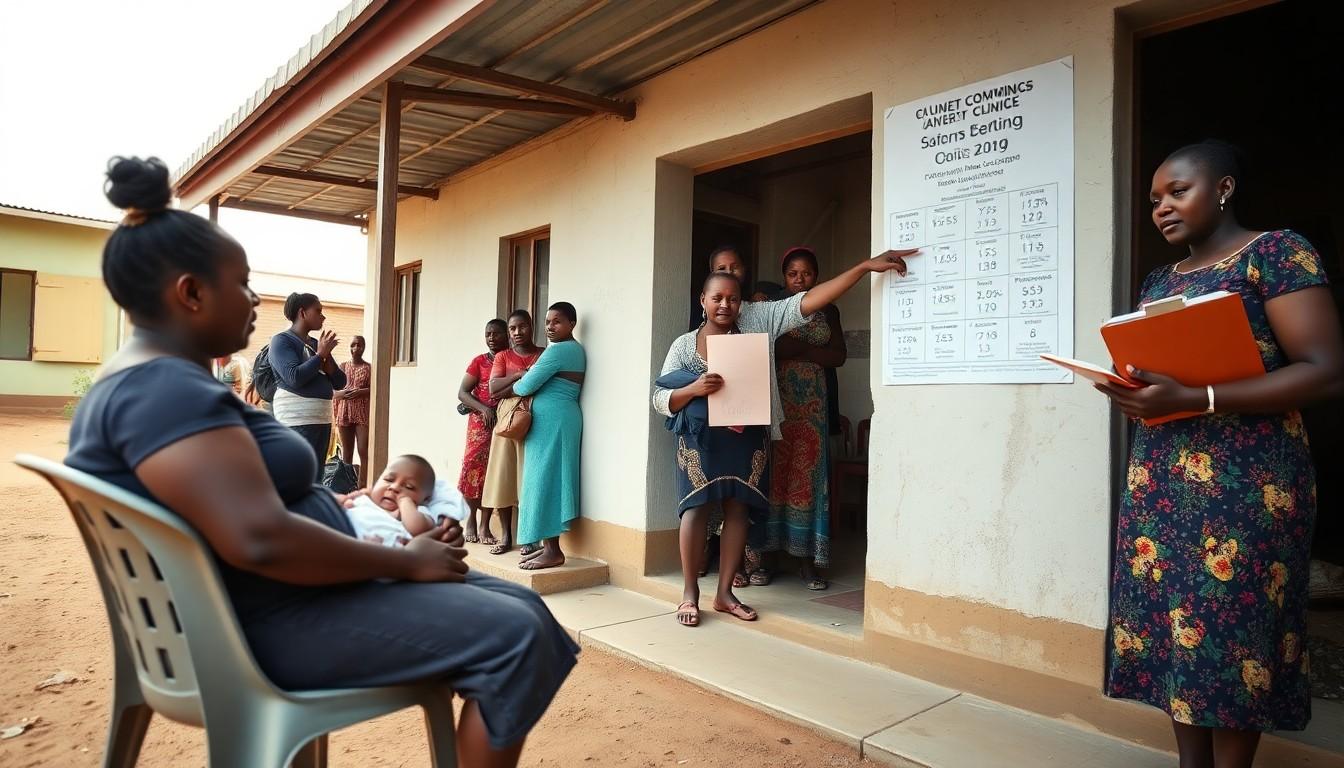

The Eastern Cape Department of Health joins the national World Breastfeeding Week celebrations, emphasising proven interventions to reverse declining breastfeeding rates and promote infant health through community outreach and policy support.
The Eastern Cape Department of Health has joined the national commemoration of World Breastfeeding Week with a series of community outreach events aimed at reinforcing support for mothers and improving infant nutrition. The campaign, which runs from 1 to 7 August, is taking place in partnership with the National Department of Health, the World Health Organization, UNICEF and other stakeholders, and includes a flagship gathering at Nkondlo African Gospel Church in Engcobo, in the Chris Hani District Municipality. (who.int)
This year’s theme, “Breastfeeding for a Sustainable Start in Life: Strengthen What Works”, shifts attention towards interventions that have already been shown to improve breastfeeding rates, including skilled counselling, baby-friendly maternity care, mass communication campaigns, workplace support and stronger protection against the marketing of breast-milk substitutes, according to the World Health Organization. WHO says the focus is not on discovering new solutions, but on funding and scaling the ones that work. (who.int)
The urgency is clear in South Africa, where UNICEF says the share of infants under six months who are exclusively breastfed fell to 22% in 2024 from 32% in 2016, well short of the country’s target. Health officials continue to urge mothers to start breastfeeding within an hour of birth, feed exclusively for the first six months and keep breastfeeding alongside appropriate complementary foods until at least two years of age. WHO and UNICEF describe breastfeeding as a cornerstone of child survival, development and disease protection, and say it requires support from families, employers, health workers and government alike. (unicef.org)
Disclaimer: This content is for informational purposes only and is not intended to be a substitute for professional medical judgment, advice, diagnosis, or treatment.