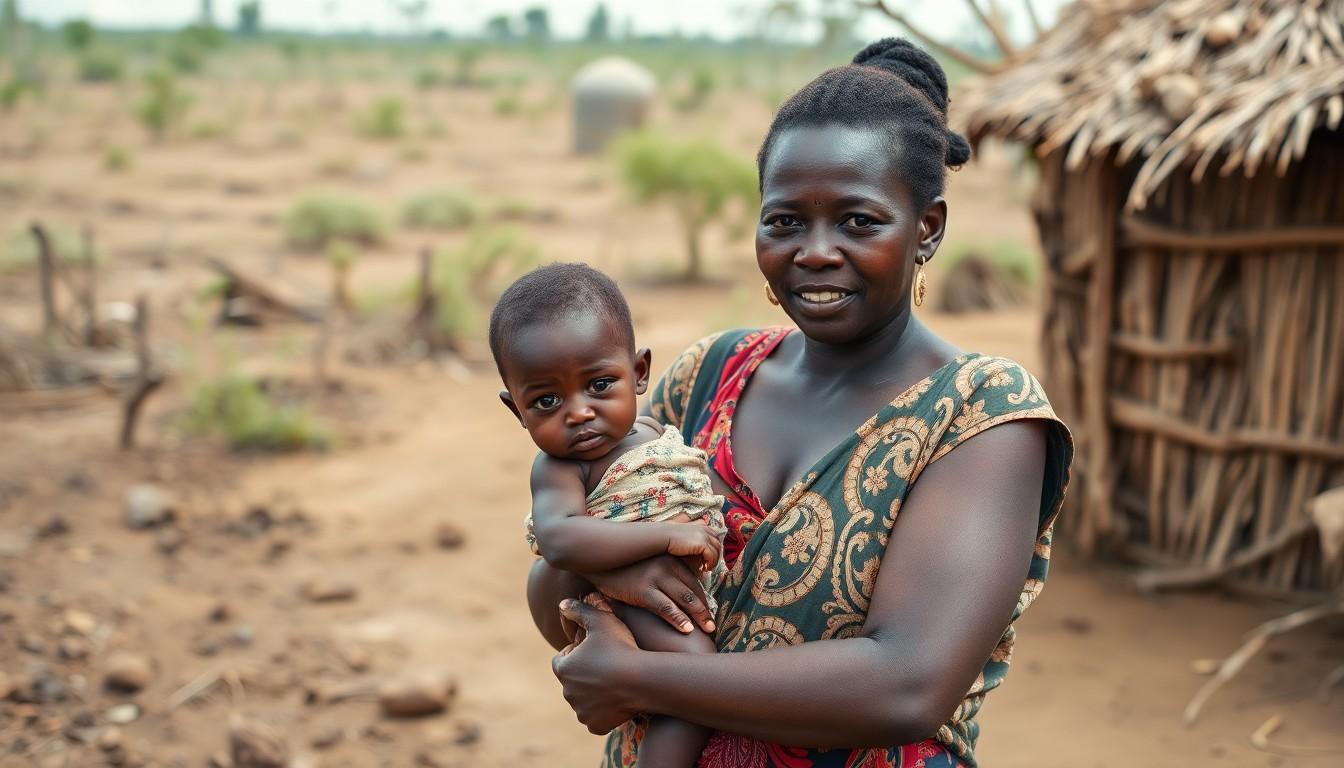

In Mozambique, recurrent climate-related disasters and poverty are compounding maternal malnutrition, with devastating long-term effects on child health and the country’s food security.
In Mozambique, hunger often begins long before birth. According to the World Food Programme, the country remains low-income and food-deficit, with about 2.7 million people food insecure, while the latest Demographic and Health Survey shows 37% of children under five are stunted, a rate that has improved but is still alarmingly high. The picture is shaped by poverty, conflict and repeated climate shocks that keep households from securing varied, nutritious diets.
That pressure is especially acute in rural areas, where most families depend on rain-fed agriculture. The World Food Programme says around 70% of Mozambique’s people rely on climate-sensitive farming, leaving livelihoods exposed to droughts, floods and cyclones that can damage crops, disrupt markets and push food prices higher. A 2019 WFP report described Mozambique as the world’s most affected country by extreme weather events that year, underscoring how climate risk and food insecurity have become tightly linked.
For pregnant women, the consequences can be devastating. In Boane, Vitória Ernesto spent her pregnancy surviving on little more than maize porridge and tea on many days, because unemployment and poverty made a balanced diet unaffordable. She told the newspaper that she often went hungry but assumed that was simply part of being pregnant. Her daughter was later born underweight and has continued to need nutritional follow-up because of growth problems identified in early childhood.
Health workers say such cases show that maternal malnutrition is not just about too little food, but also about poor diet quality, lack of information and limited access to care. Research cited by the World Food Programme and recent academic work on Mozambique points to the same pattern: recurring climate stress, weak livelihoods and persistent undernutrition reinforce one another. The result is a silent cycle in which deprivation during pregnancy can shape a child’s health for years, even before the first cry in the delivery room.
Disclaimer: This content is for informational purposes only and is not intended to be a substitute for professional medical judgment, advice, diagnosis, or treatment.