

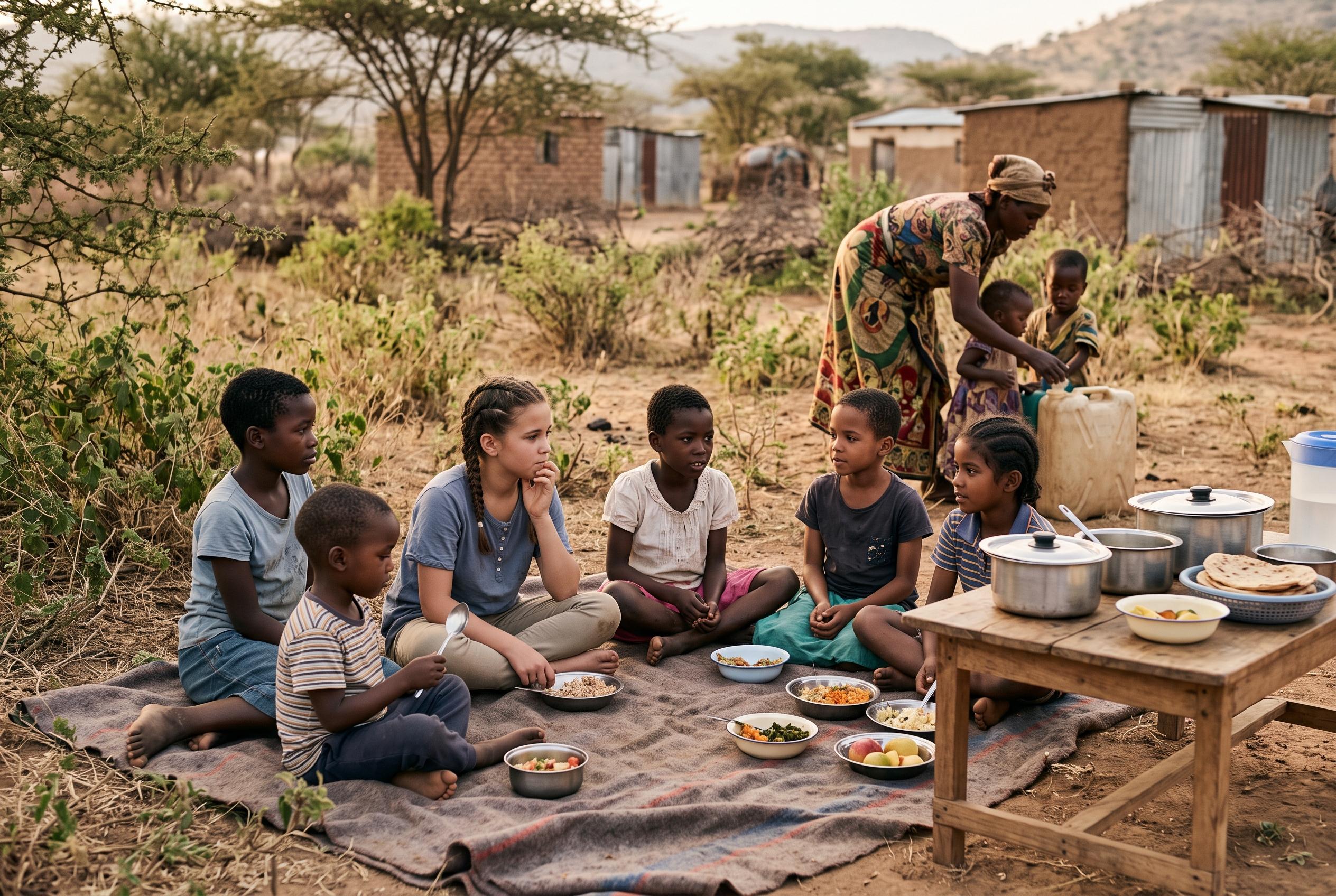

Rising temperatures, extreme weather and a potentially severe 2026-27 El Niño could worsen hunger, stunting and obesity among children worldwide, UNICEF says.
UNICEF has used World Food Day to draw attention to a worsening link between climate change and child nutrition, warning that rising temperatures and more extreme weather could leave millions more children undernourished by mid-century. The agency said a recent report points to an additional 28 million children suffering malnutrition and 40 million more living with stunted growth by 2050 if greenhouse gas emissions continue to climb, with the effects likely to reach children of all ages, including schoolchildren and adolescents.
The forecast is not limited to weight loss and growth failure. UNICEF says climate pressures could also intensify shortages of protein and key micronutrients, while hotter conditions may contribute to a rise in childhood obesity by reducing physical activity and encouraging greater reliance on ultra-processed foods in some countries. That combination of risks, the agency argues, shows that climate change is reshaping children’s diets in both undernutrition and overnutrition.
UNICEF is also warning about the expected 2026-2027 El Niño cycle, which the agency says could become one of the most intense on record. In a separate report, UNICEF said more than 347 million children in nearly 100 countries could be exposed to severe droughts or floods linked to the event, with the biggest dangers falling on children living through conflict and humanitarian crises. In places such as Afghanistan and Chad, where war, displacement and weak public services already strain families, the agency says El Niño could deepen hunger and push more children towards survival-threatening malnutrition.
Broader UNICEF climate research underlines how widespread those risks already are. Its Children’s Climate Risk Report 2026 says nearly one in seven children live in areas exposed to river flooding, while more than three-quarters of children worldwide face agricultural or meteorological drought. Another UNICEF report estimates that by 2050 almost every child on earth will experience more frequent heatwaves. Together, the findings suggest that the climate emergency is no longer only an environmental issue; it is increasingly a children’s health crisis that threatens growth, learning and survival.
Disclaimer: This content is for informational purposes only and is not intended to be a substitute for professional medical judgment, advice, diagnosis, or treatment.



