

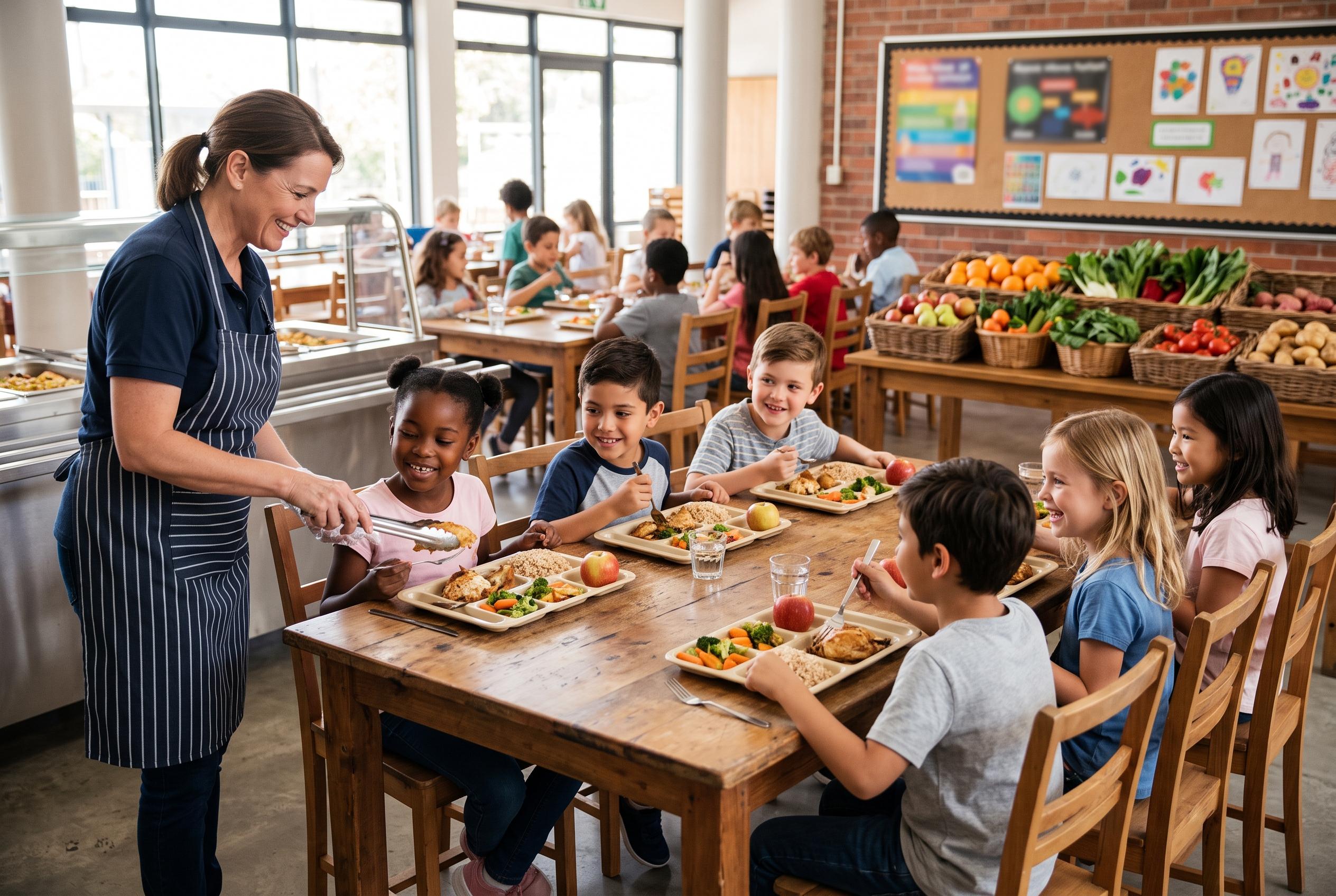

Calls to strengthen Chile’s School Feeding Programme are shifting the debate beyond healthier menus towards universal, sustainable meals linked to local producers and long-term disease prevention.
The case for better food policy is increasingly being made as a public-health imperative, not a matter of lifestyle choice. In a letter published by La Discusión for World Food Day, Lidia Paz Castillo argued that excess weight, poor diets and physical inactivity are driving a large share of preventable future disease, echoing The Lancet’s warning that medicines alone cannot fix problems rooted in the environments people live in. The broader point is that nutrition policy, not just clinical treatment, must do more of the heavy lifting if countries want to reduce long-term illness.
In Chile, that argument lands in the middle of an existing school-meals system that already reaches vulnerable children and young people through the School Feeding Programme, known as PAE, run by Junaeb. Government announcements in 2020 and 2021 described changes aimed at improving both the nutritional quality and the appeal of meals, including the use of liquid milk instead of powdered milk, more local products and dishes designed to be more acceptable to students. Junaeb says the programme provides breakfasts, lunches, snacks and dinners in municipal and subsidised private schools, with the aim of supporting attendance and reducing dropout.
Castillo’s call goes further than menu changes. She urged Chile to move towards universal, healthy and sustainable school food, strengthen PAE and its links with family farming, and treat recovered surplus food as a complement rather than a substitute for rights. That aligns with newer efforts such as the sustainable school feeding model being tested in Chiloé, where Junaeb and the University of Chile’s Institute of Nutrition and Food Technology have worked with local products and more sustainable practices. The underlying message is that feeding children well should be understood as an investment in health, learning and fairness, not as charity.
Disclaimer: This content is for informational purposes only and is not intended to be a substitute for professional medical judgment, advice, diagnosis, or treatment.



