

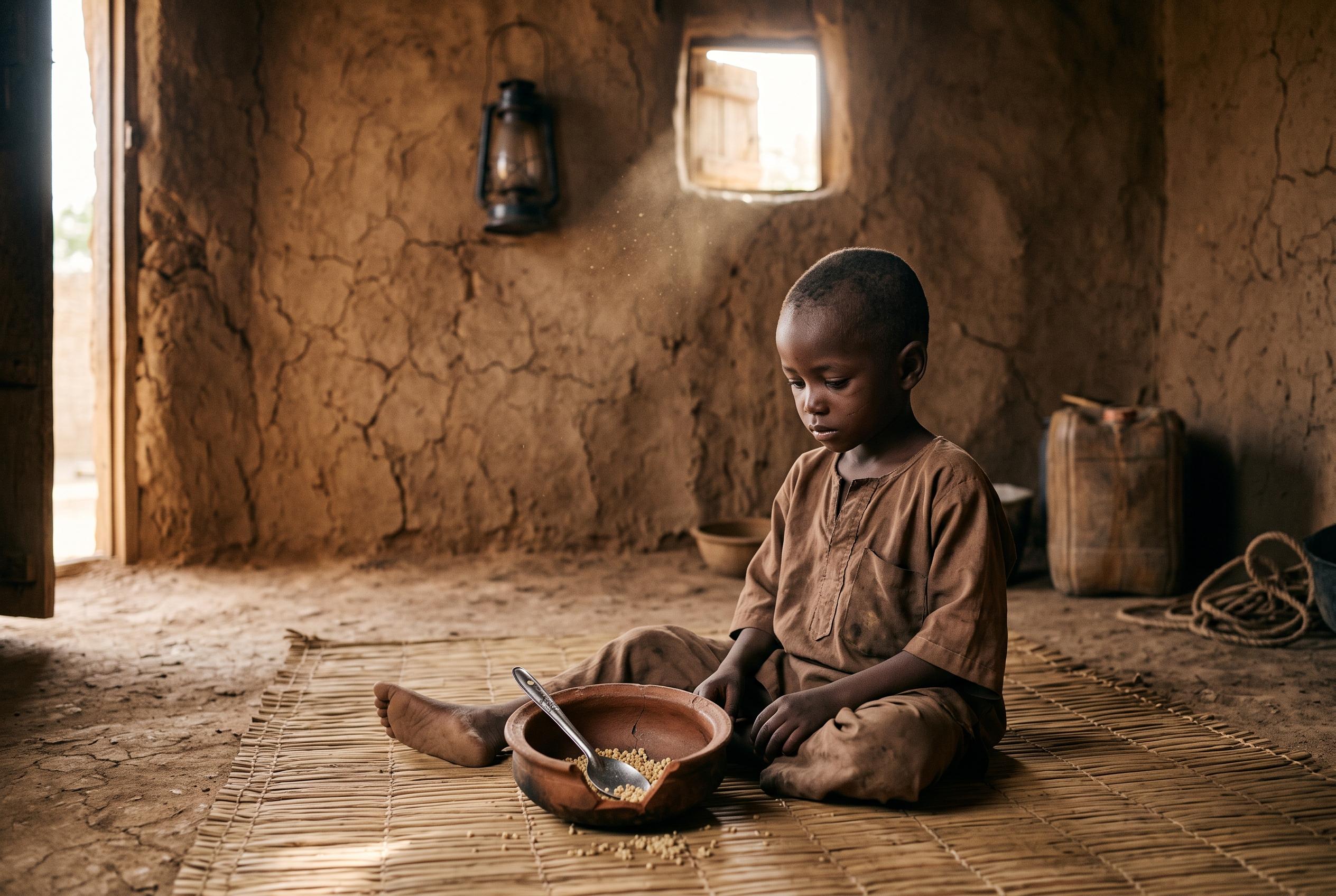

MSF reports a sharp increase in acute malnutrition cases among children across seven northern Nigerian states, reflecting deepening instability, food shortages, and reduced aid support in 2025.
Médecins Sans Frontières has said the number of children it treated for acute malnutrition across seven northern Nigerian states rose sharply in 2025, underscoring a worsening hunger crisis driven by insecurity, displacement and funding cuts. The aid group said it treated 425,634 children last year, a 41.8% increase on 2024, with the burden concentrated in Bauchi, Borno, Kano, Katsina, Kebbi, Sokoto and Zamfara.
The scale of the rise has been stark over a longer period too. According to the figures obtained by Sunday PUNCH and confirmed in MSF material, the organisation treated just over 300,165 children in 2024, after roughly 240,132 in 2023. That means at least 185,502 more children received treatment in 2025 than in the previous two years combined. MSF said the deterioration reflects a mix of conflict, displacement, disease outbreaks, food shortages, broader economic strain and reductions in humanitarian support.
MSF also said the crisis remained severe into 2026, with an estimated 34.7 million people facing crisis levels of food insecurity during the lean season and more than 5.4 million children nationwide suffering from acute malnutrition. Between January and June 2025 alone, it admitted 32,940 severely malnourished children to inpatient centres and another 136,255 to outpatient programmes. In Katsina state, MSF said it treated 70,000 malnourished children, including 10,000 who needed hospital care, while a July screening in Zamfara found 27% of 97,149 children under five were malnourished.
The organisation has also highlighted the psychological toll on families, especially mothers who remain with children during long stays in treatment centres. In Bauchi, MSF mental health supervisor Kauna Bako said, “Malnutrition is one disease that doesn’t just affect the child physically. It has psychological, emotional and behavioural implications,” according to the report. MSF said it has expanded counselling, play therapy and psychosocial support alongside feeding treatment, arguing that the combined approach helps children recover faster and improves the wellbeing of caregivers.
Disclaimer: This content is for informational purposes only and is not intended to be a substitute for professional medical judgment, advice, diagnosis, or treatment.



