
Brest is set to overhaul its school food offerings this autumn, implementing new dietary guidelines that include class-based menus, nutritious vending machines, and a broader food variety aimed at making school eating more practical, appealing, and health-conscious.
Brest is preparing to overhaul school meals this autumn, with local catering specialists unveiling dishes designed for breakfast, lunch and afternoon snacks as Belarus moves into a new set of rules for children’s nutrition. The presentation, held at a seminar in the city, was meant to show how the updated menu can balance health requirements with the tastes of modern pupils.
The biggest change is structural. Instead of grouping children into two broad age bands, schools will now organise menus by class level: years 1 to 5, years 6 to 8 and years 9 to 11. The rules also create a single format for one-meal days. For morning pupils, that will mean a second breakfast; for afternoon pupils, an afternoon snack. In both cases, the meal must now include three fixed elements: a hot dish, a salad and a drink.
Officials and caterers say the revised approach also widens the list of foods that can be served in schools. That includes more ready-made meat, fish, pastry, vegetable and other semi-prepared items, provided they meet children’s food standards. At the tasting in Brest, visitors were shown pancakes, filled pastries, pies and burgers, all served with vegetables and herbs. Previous limits on bakery items and meat pâtés have been lifted under the new framework.
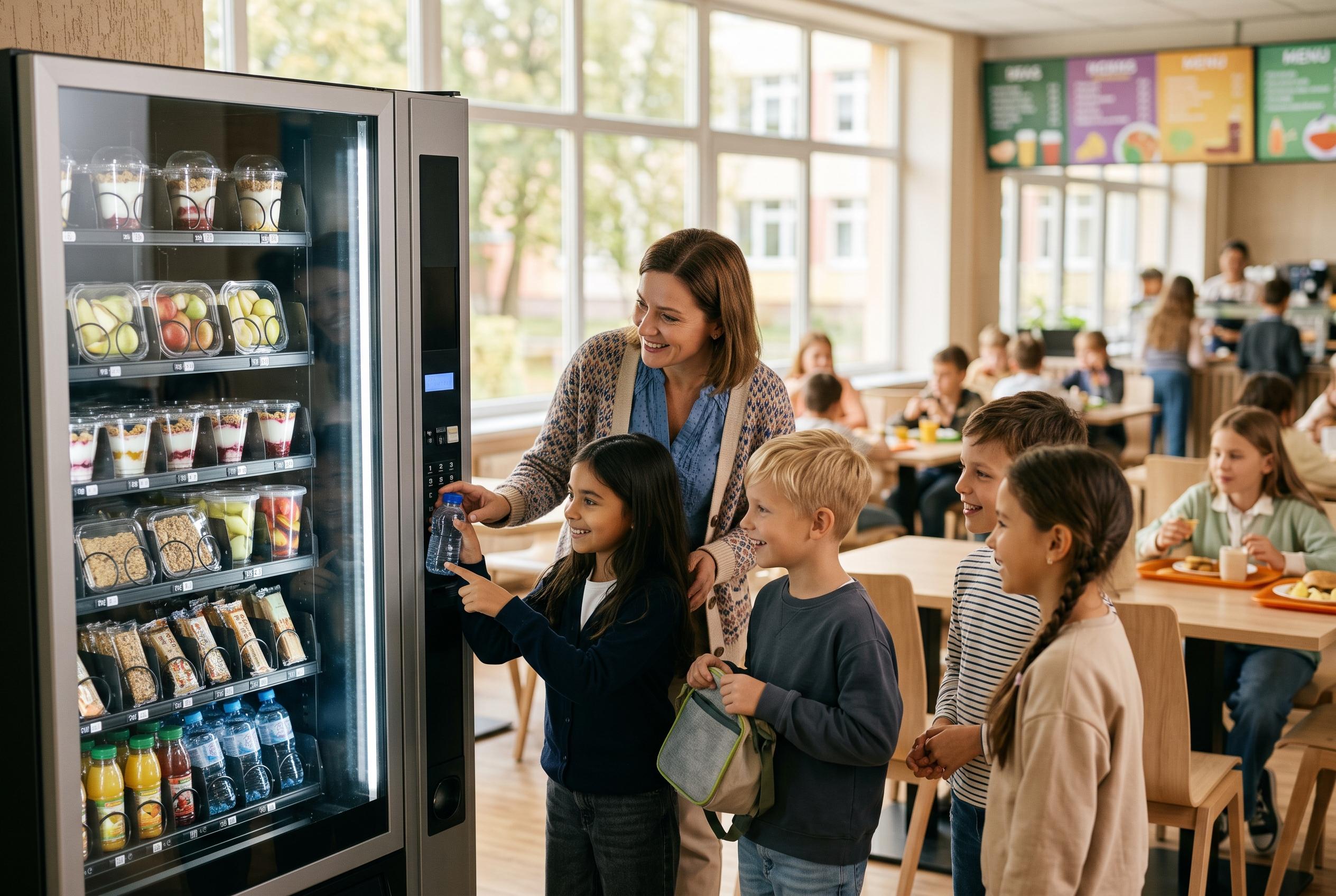
The changes go beyond dining halls. School canteens will be joined by buffets and vending machines, which are to be introduced gradually across educational institutions in the city and, according to the wider regulatory plan reported by Reform.news, across Belarus from 1 September 2026. Those machines will not stock sweets or low-quality snacks, but only foods and drinks approved for children, with a preference for Belarusian-made products. Green Belarus and Nasha Niva both reported that the new rules are intended to make school food more flexible, healthier and better aligned with pupils’ preferences. According to Brest catering officials quoted in local media, the goal is to make school eating both more practical and more appealing without abandoning nutritional standards.
Disclaimer: This content is for informational purposes only and is not intended to be a substitute for professional medical judgment, advice, diagnosis, or treatment.