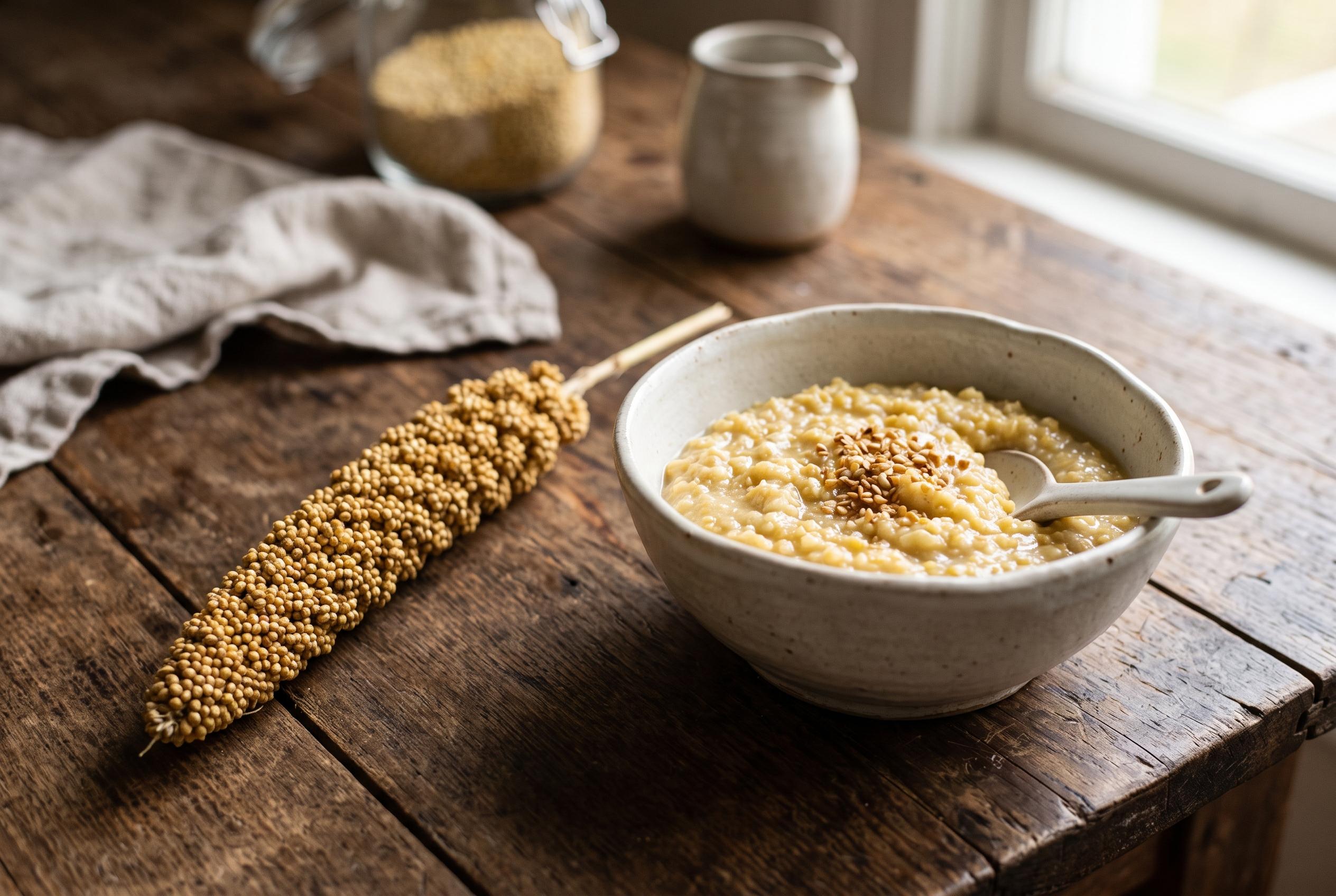

A study in Mumbai suggests that iron- and zinc-enriched pearl millet can effectively combat childhood iron deficiency without disrupting gut microbiomes, offering a sustainable dietary intervention for vulnerable populations.
A biofortified variety of pearl millet may offer a way to tackle childhood iron deficiency without upsetting the developing gut microbiome, according to research published in Nature Communications. In a trial in Mumbai’s urban slums, toddlers who ate meals made with iron- and zinc-enriched millet for 9 months showed no sign of the gut disruption often linked to iron supplements. Instead, the grain was associated with shifts in microbial activity that appeared to support pathogen resistance and antioxidant metabolism.
The study focused on 223 children aged 12 to 18 months, a group especially vulnerable to iron deficiency during a stage of rapid brain and immune development. Researchers compared biofortified millet containing 8.7 mg of iron per 100 grams with conventional millet containing 3 mg per 100 grams. They collected rectal swabs before and after the intervention and tracked changes in the children’s gut communities over the course of the trial.
Unlike high-dose supplements, which can leave excess iron in the colon and create conditions that favour harmful bacteria, the millet was delivered as part of everyday foods such as porridge, soft curry and baked items. According to the researchers, the approach may be better suited to young children because it works through ordinary feeding patterns rather than a separate pill or syrup regime. The children also showed the expected age-related rise in microbial diversity, suggesting their gut ecosystems continued to mature normally.
The findings add to earlier research suggesting that biofortified pearl millet can deliver useful nutrients effectively. A randomised trial published in the American Journal of Clinical Nutrition found that young children in Karnataka absorbed enough iron and zinc from biofortified pearl millet to meet physiological needs. Separately, a study in Food Chemistry reported that iron biofortification improved the grain’s amino acid content, volatile compounds and overall sensory appeal, which could matter if the crop is to be adopted widely.
Researchers say larger and more diverse studies are still needed before biofortified crops can be presented as a broad alternative to supplementation. Even so, the work points to a practical route for countries where iron deficiency remains common and where staple crops can be bred to provide more micronutrients without changing how families already cook and eat.
Disclaimer: This content is for informational purposes only and is not intended to be a substitute for professional medical judgment, advice, diagnosis, or treatment.