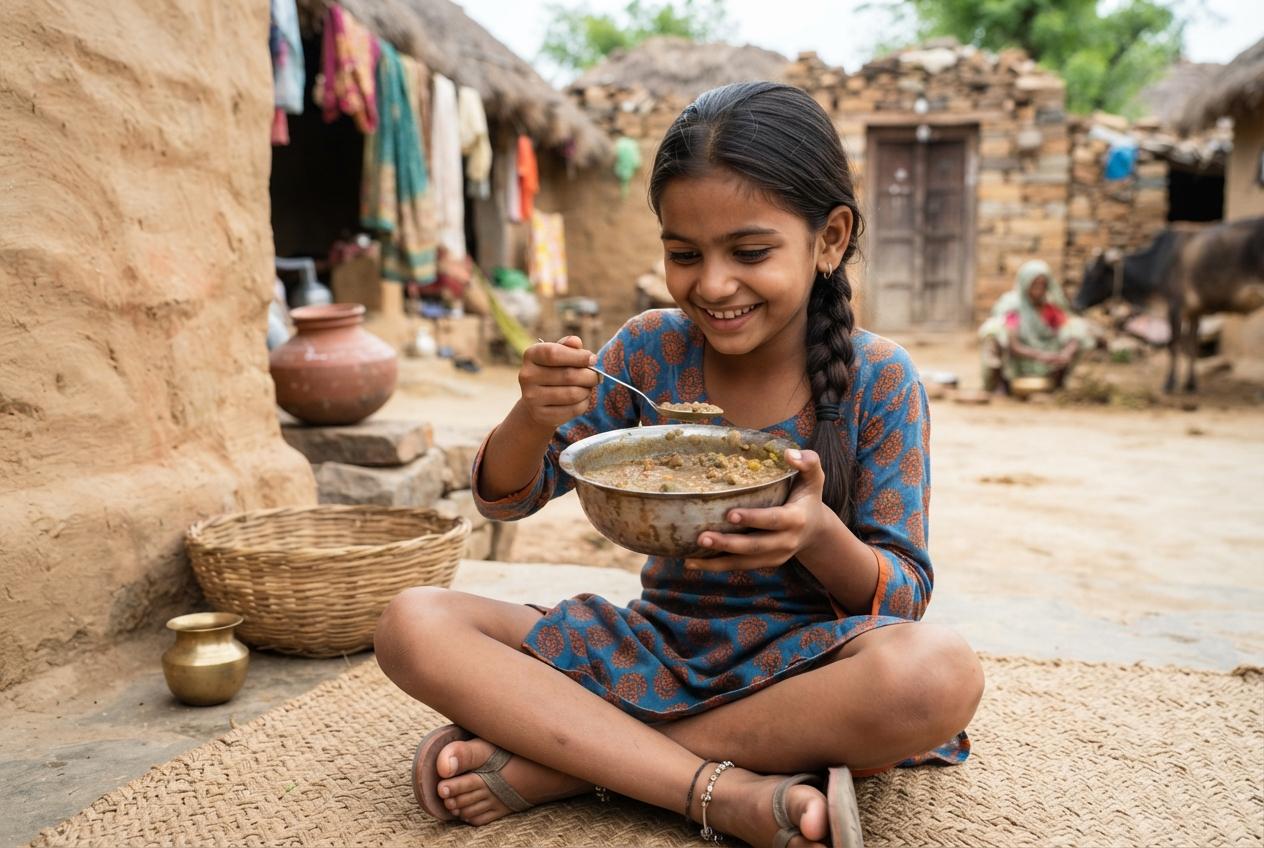

A new trial in India reveals that a naturally iron and zinc-enriched pearl millet could improve young children’s nutrition without the gut side-effects associated with traditional supplements, offering a sustainable approach to combat iron deficiency.
A trial in India has found that a biofortified form of pearl millet may offer a food-based way to improve young children’s iron intake without the gut side-effects often associated with supplements. The study, led by Cornell University researchers and published in Nature Communications, suggests that children who ate millet naturally enriched with iron and zinc for nine months did not show the same adverse changes typically linked to conventional iron supplementation, while their intestinal microbiomes shifted in ways that could support pathogen defence and antioxidant activity.
The findings come against the backdrop of a stubborn global health problem. Research published in Nature Medicine last year estimated that dietary iron deficiency remains widespread, with a particularly heavy burden among women and children. Iron matters especially in early life, when shortages can affect brain development, immunity and anaemia risk. Yet supplements, while effective, can be difficult to tolerate and may alter the gut environment in ways that favour harmful microbes.
Cornell’s team worked with plant breeders to develop a pearl millet variety containing nearly three times the iron of standard millet, plus added zinc. The crop was created through conventional cross-breeding rather than genetic engineering, and the intervention was built around complementary feeding for children aged 12 to 18 months in Mumbai. Pearl millet is already a staple in parts of South Asia and Africa, which makes it a practical vehicle for delivering extra micronutrients through familiar foods rather than a separate medical product.
The study involved 223 toddlers and used foods prepared with either the biofortified grain or a comparison millet. Researchers looked beyond which microbes were present and examined microbial genes and active biochemical pathways, finding changes linked to protection against invading organisms and antioxidant metabolism. Cornell said the work was carried out with SNDT Women’s University and distributed across 20 sites with the Centre for the Study of Social Change. While the researchers say more work is needed to see whether these microbiome changes translate into better iron status, growth or lower infection risk, the trial adds to broader evidence that millets are nutritionally valuable grains and that biofortification could help address deficiency without relying solely on pills.
Disclaimer: This content is for informational purposes only and is not intended to be a substitute for professional medical judgment, advice, diagnosis, or treatment.