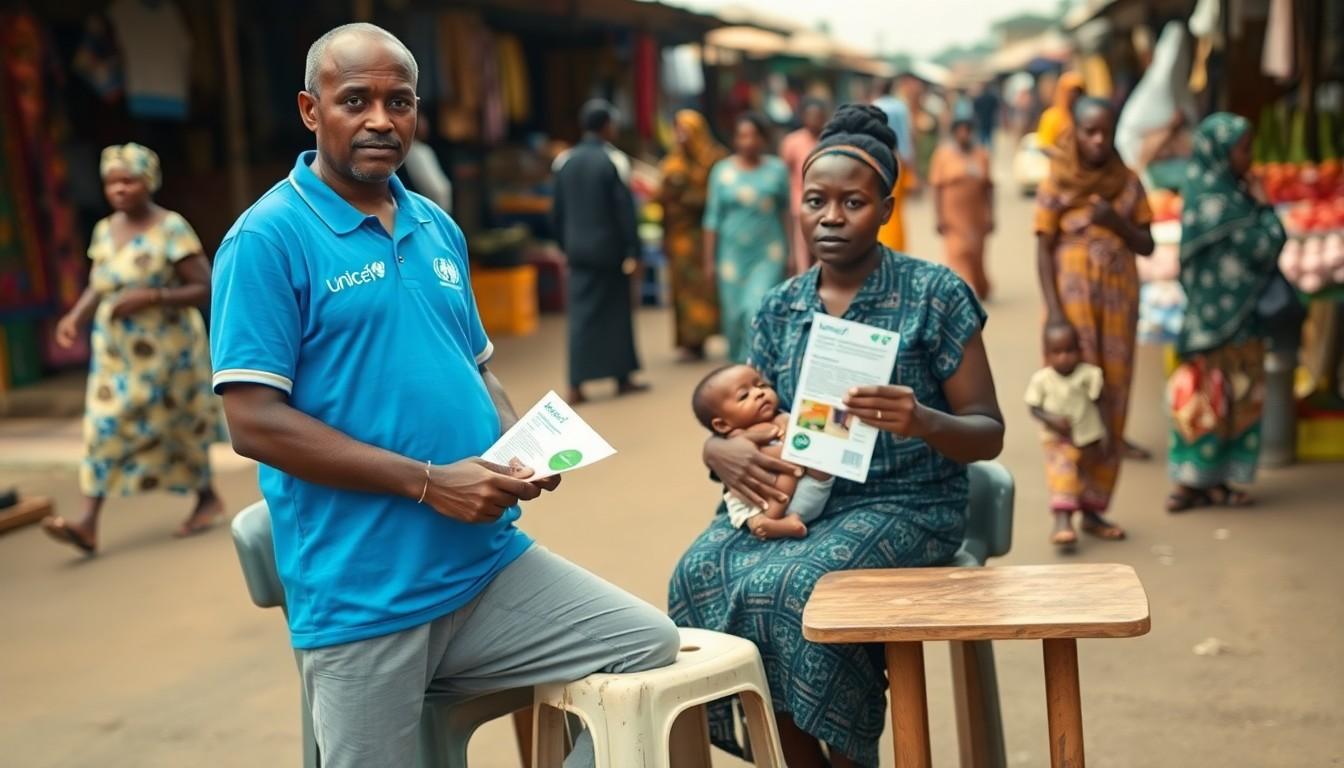

Bauchi State and UNICEF have initiated a campaign to improve infant feeding practices, amid troubling statistics on exclusive breastfeeding, as global health advocates emphasise the importance of early support and addressing myths surrounding breastfeeding.
UNICEF and the Bauchi State Government have opened the 2026 World Breastfeeding Week campaign with a renewed push to improve infant feeding practices in a state where health officials say many babies are still missing out on the benefits of exclusive breastfeeding. The initiative comes as global health bodies mark this year’s theme, “Breastfeeding for a Sustainable Start in Life: Strengthen What Works”, which calls for governments, health systems, workplaces, communities and families to reinforce measures already proven to improve breastfeeding rates.
At the launch in Bauchi on Monday, UNICEF’s chief of field office in the state, Dr Nuzhat Rafique, said the figures remain troubling: although more than 90 per cent of mothers breastfeed, only 26 per cent exclusively breastfeed for the first six months, and just 12 per cent begin within the first hour after birth. She said newborns should receive colostrum immediately and not be given water, honey or other substances, arguing that the first milk acts like a baby’s first vaccination by helping to build immunity.
Dr Rafique said poor breastfeeding practices contribute to a chain of illness and malnutrition that can increase the risk of diarrhoea, respiratory infections and death in the first six months of life. UNICEF has paired the campaign with its “Zero Water” message, which is aimed at countering the belief that babies need water in hot weather. The agency says breast milk already provides sufficient hydration and nutrition during the early months of life.
The UNICEF official also linked low breastfeeding rates to misinformation, weak counselling and limited support at work, while praising the state government’s decision to grant six months of paid maternity leave to public servants. She said the policy could help more women practise exclusive breastfeeding, and welcomed the state’s ₦500 million counterpart funding for the Child Nutrition Fund, calling for timely release of the money to support nutrition supplies. UNICEF said it would continue backing Bauchi through its First 1,000 Days programme, which combines maternal nutrition, safe delivery, immunisation, water, sanitation, child protection and breastfeeding promotion.
Dr Rilwanu Mohammed, executive chairman of the Bauchi State Primary Health Care Development Board, echoed the appeal, saying breast milk provides both food and water for infants and helps protect them from severe malnutrition and infection. He dismissed concerns that breastfeeding harms a woman’s appearance, urged families and the media to help correct myths, and said mothers should continue breastfeeding alongside complementary foods until the child is at least two years old. WHO says the aim of this year’s global campaign is to strengthen what works and widen the support network around mothers, while UNICEF data shows that fewer than half of infants under six months are exclusively breastfed worldwide.
Disclaimer: This content is for informational purposes only and is not intended to be a substitute for professional medical judgment, advice, diagnosis, or treatment.