

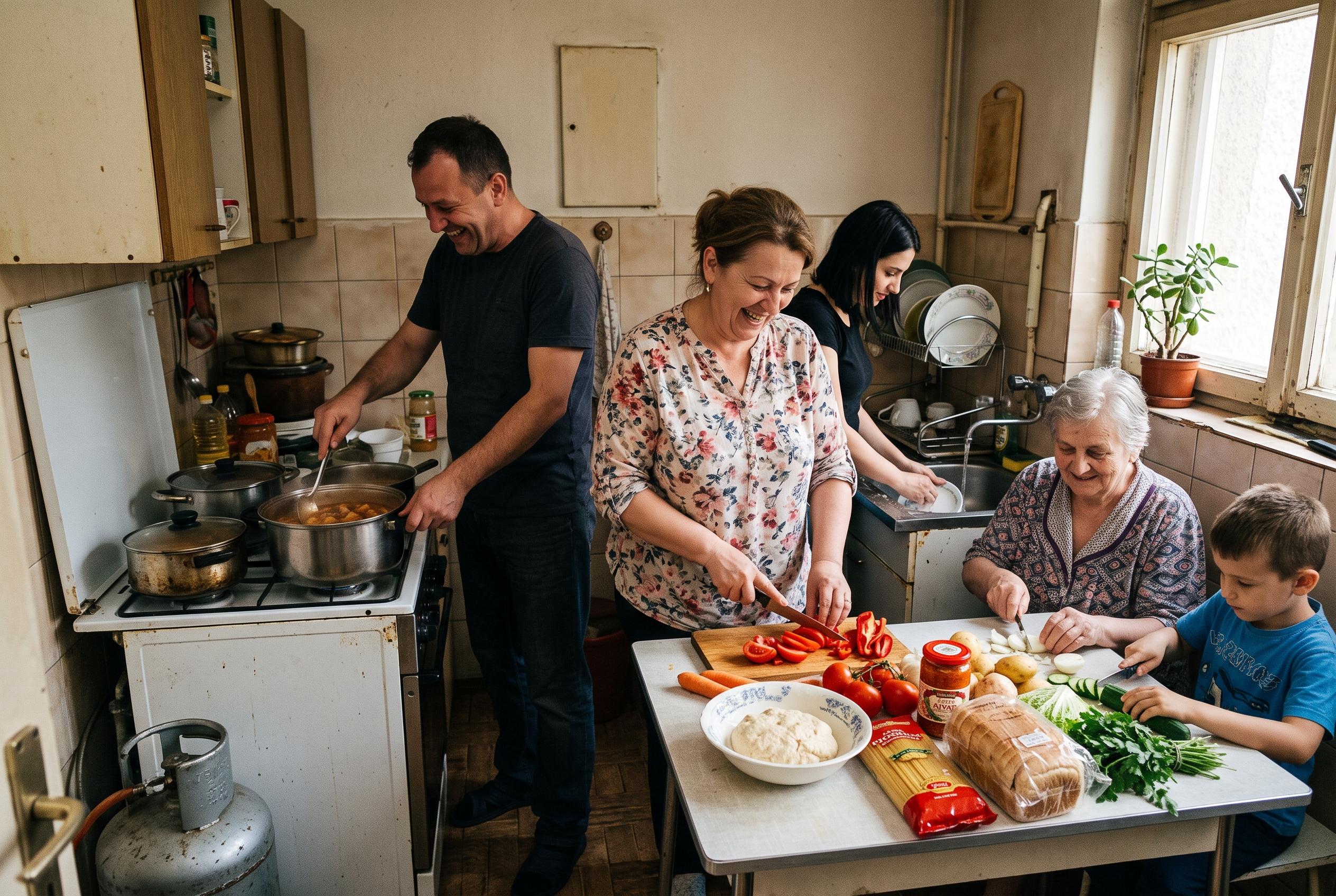

Vera Prokopieva says rising obesity, processed food and unequal access to healthy diets are reshaping the region, while weak data leave governments struggling to respond.
Vera Prokopieva, a Bulgarian nutrition scientist who has studied food as an anthropologist, cook and researcher, says the Balkans may be facing an obesity problem that is more advanced than many people realise. Speaking in an interview with Tirana Times, she argued that the region is now confronting the same broad shift in diet and health that Bulgaria has already experienced: rising obesity, more processed food and, increasingly, the arrival of weight-loss medicines. Recent figures suggest the scale of the problem may be larger than official self-reports capture. A 2026 study cited by Prokopieva found obesity in about 30% of roughly 3,500 adults measured in Stara Zagora, while a separate Trend Research Centre survey reported that around 37% of Bulgarian adults were overweight and nearly a quarter did not see themselves that way.
Her central concern is that nutrition research used to shape policy often comes from western Europe or the United States, where food systems and eating habits can differ sharply from those in south-eastern Europe. Prokopieva pointed out that informal food production remains important across the Balkans, making it harder to measure what people actually eat. She said a 2013 survey found that most Bulgarians consumed at least some home-produced food, including a large share of pickled vegetables and rakia, while Bulgaria’s official household budget data still do not fully separate out food bought, grown or received in kind. She argued that without better dietary data, governments will struggle to design effective obesity policy.
Prokopieva also placed Albania’s current health concerns in a wider regional context. Albania was once described by researchers as an “Albanian paradox”, where poor living standards coexisted with relatively good longevity and a traditionally simple diet. Today, however, the country is dealing with a very different picture: almost a third of Albanian 8- and 9-year-olds are overweight, according to the figures she discussed. She said Bulgaria’s own shift towards more energy-dense food began before the end of socialism, as state policies expanded collective catering and industrial food supply. After socialism, she added, both Bulgaria and Albania became far more sensitive to price, with low-income households least able to afford fresh food. The UN Food and Agriculture Organisation estimated that about one in nine Albanians could not afford a healthy diet in 2024, while Bulgarian statistics continue to show that poorer households eat less fresh produce than richer ones.
Even as cheaper versions of semaglutide and other weight-loss injections begin to reach more markets, Prokopieva said dietary advice should remain central. She argued that appetite-suppressing drugs make food quality more important, not less, because smaller meals must still provide enough protein, fibre and micronutrients. The OECD’s 2026 review of Bulgaria’s health system underlines the stakes: it found dietary risks were responsible for 19% of deaths in 2021, well above the OECD average, while only a small minority of adults met fruit-and-vegetable targets or exercised regularly. Prokopieva said that in clinical work at Stanford, the hardest part was not delivering healthier meals, but helping people keep better habits once support ended. For that reason, she sees schools as one of the most important places to intervene.
Her interest in food is rooted in family experience as much as science. She said she grew up around Bulgarian cooking traditions that included cured meats, pickles, yoghurt, rakia and lutenitsa, and that her wider family history exposed her to regional differences in mountain and hunting cuisine. That background, she said, made it easier later to speak with patients about practical changes to their diets. She also drew a contrast between Bulgaria and more fragmented food cultures in richer countries, saying the Balkans still retain a shared understanding of what “real food” means. In her view, that gives the region something valuable to build on, even as diets modernise.
Prokopieva was equally careful to distinguish between the fermented foods that have long been part of Balkan diets and the versions now sold in supermarkets. The evidence on gut microbes is still developing, she said, but early work at Stanford suggests fermented foods can increase microbial diversity and lower markers of inflammation. She noted that plain yoghurt with live cultures is still beneficial, but said industrial products usually rely on fewer bacterial strains than homemade versions. She also drew a clear line between true fermentation and pickling with vinegar: turshi, she said, is delicious, but it is not the same as lacto-fermented vegetables made with salt and water. For shoppers, her advice was simple: look for refrigerated products that are more likely to retain live cultures.
Disclaimer: This content is for informational purposes only and is not intended to be a substitute for professional medical judgment, advice, diagnosis, or treatment.



