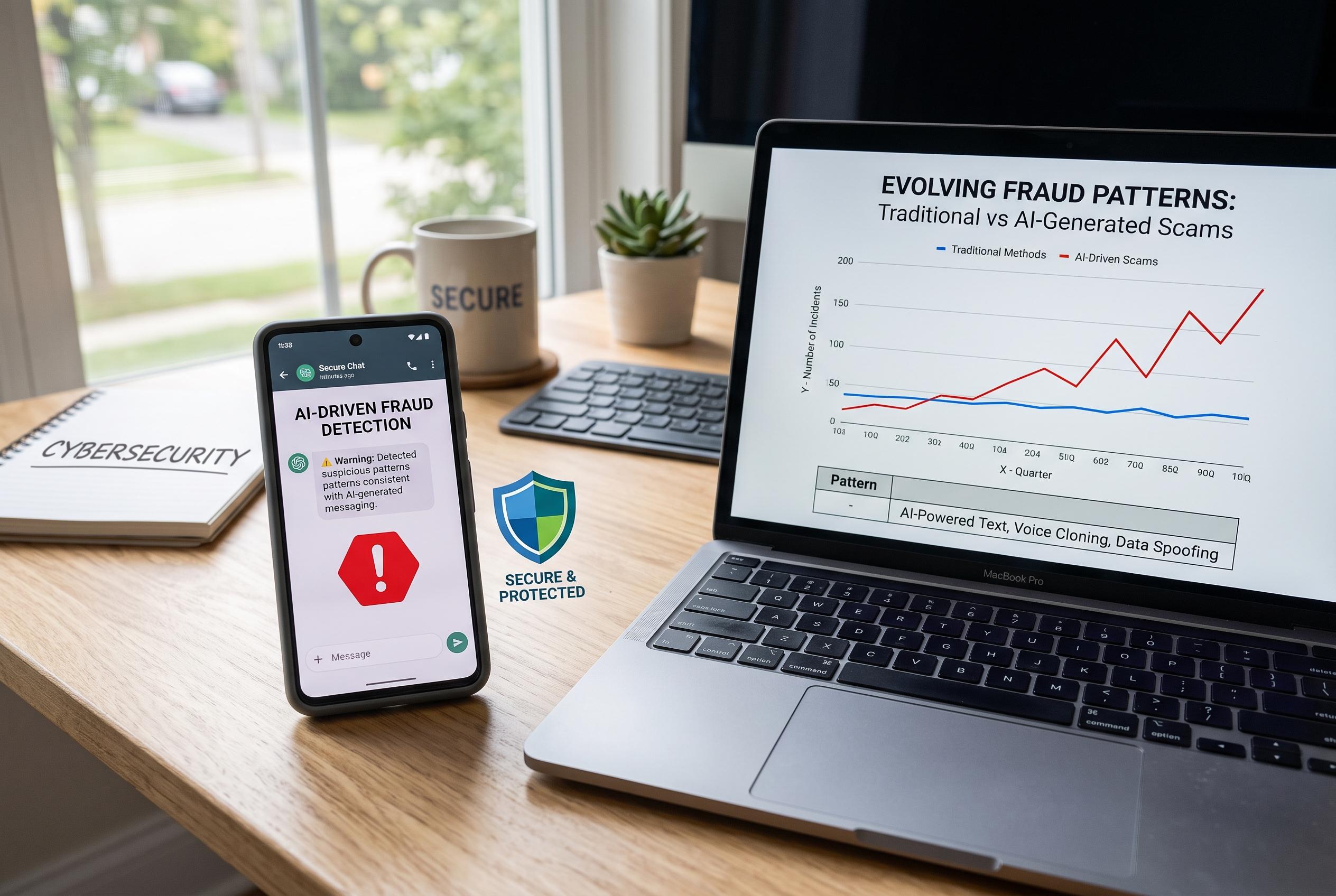

As scammers increasingly utilise AI to craft convincing messages and profiles, new consumer guidance highlights the importance of robust detection tools and cautious online behaviour to combat evolving romance and seller scams.
AI-generated messages and images are making romance scams harder to spot, and one consumer guide argues that AI detectors have become a useful line of defence. The piece says scammers are increasingly using synthetic content to build trust, manipulate targets and make fake identities look convincing.
That threat sits within a broader rise in online fraud. The same guidance says romance scams remain widespread and notes that fraudsters are now using AI to scale their efforts, producing messages that can sound more personal and more believable than older scam scripts. In practice, that means a polished profile or fluent conversation is no longer enough to prove someone is genuine.
The article also points to a more familiar warning sign from other types of online fraud: offers that look too good to be true. A separate consumer guide on third-party seller scams says criminals often lure shoppers with unrealistically low prices, bogus tracking details and refusals to accept returns. It cites a TransUnion study showing that 18% of consumers targeted by online fraud experienced third-party seller scams on legitimate e-commerce websites.
Taken together, the advice is straightforward: treat smooth wording, urgent requests and suspiciously perfect offers with caution. Consumers are urged to verify identities, check platform policies and use payment methods that offer stronger protection, with credit cards singled out as a safer option than harder-to-reverse forms of payment.
Disclaimer: This content is for informational purposes only and is not intended to be a substitute for professional medical judgment, advice, diagnosis, or treatment.