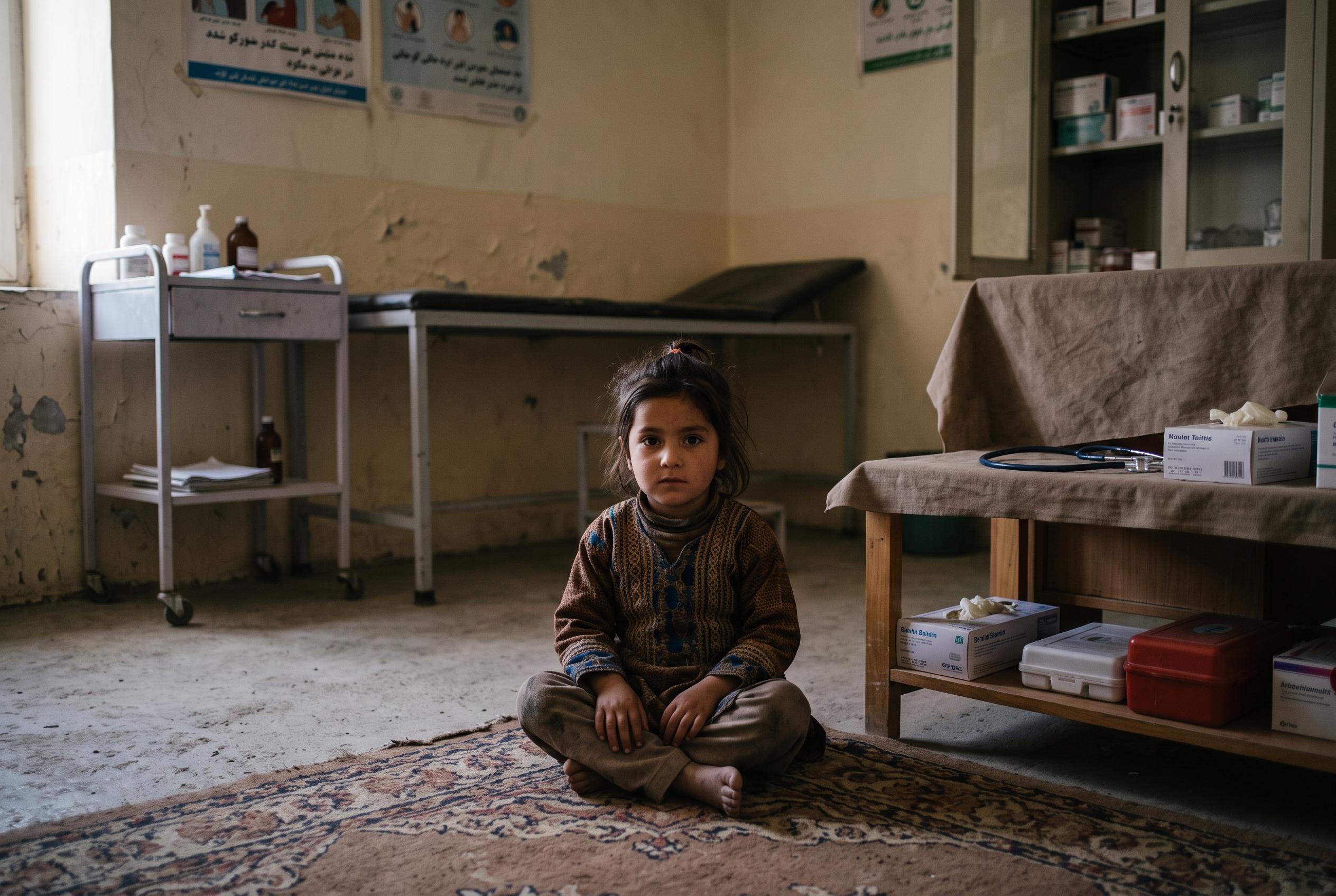

Nearly one in ten children under five is affected by acute malnutrition as funding cuts shutter hundreds of health facilities, exacerbating Afghanistan’s worsening hunger emergency amid rising displacements and health risks.
Acute malnutrition is deepening across Afghanistan, with Save the Children warning that nearly one in 10 children under five is now affected at the very moment shrinking aid is forcing health services to close. The charity said the crisis is worsening as the country enters its peak hunger season, with infections helping drive up cases of wasting, the medical term for dangerous weight loss caused by undernutrition. According to UNICEF and the UN, an estimated 3.7 million children under five are now at heightened risk of malnutrition.
The wider humanitarian picture is equally stark. The World Food Programme says Afghanistan remains one of the world’s most severe hunger emergencies, while the World Health Organisation has reported that 3.7 million children under five and 1.2 million pregnant and breastfeeding women are facing acute malnutrition. Aid funding has fallen sharply in recent years, leaving agencies struggling to keep clinics open and basic treatment available for families already facing poverty, displacement and repeated shocks from drought and disaster.
Save the Children said nearly 600 health facilities have been closed or suspended because of funding cuts, affecting about four million people, roughly half of them children. The organisation has managed to keep 14 clinics running on short-term support, but it warned that those sites also face uncertainty. In remote areas, some families must travel for hours on foot to reach care, while a trip to a city hospital can cost far more than many households can afford.
The scale of need is growing as more people return to Afghanistan from neighbouring countries and as the population expands. Save the Children said more than six million people have come back from Iran and Pakistan, adding pressure to already stretched services. The charity’s staff describe a system under strain from hunger, illness, water shortages, lost income and repeated displacement, with children often caught in the middle of a cycle that is getting harder to escape.
For families, the consequences can be immediate. The organisation said children with acute malnutrition can recover if they receive treatment in time, but untreated cases can quickly become life-threatening. Its clinics also provide nutrition advice for caregivers, helping parents make the most of limited food supplies. Save the Children said it has worked in Afghanistan since 1976 and reached more than two million people last year, but it warned that much of that progress is now at risk without sustained funding.
Disclaimer: This content is for informational purposes only and is not intended to be a substitute for professional medical judgment, advice, diagnosis, or treatment.