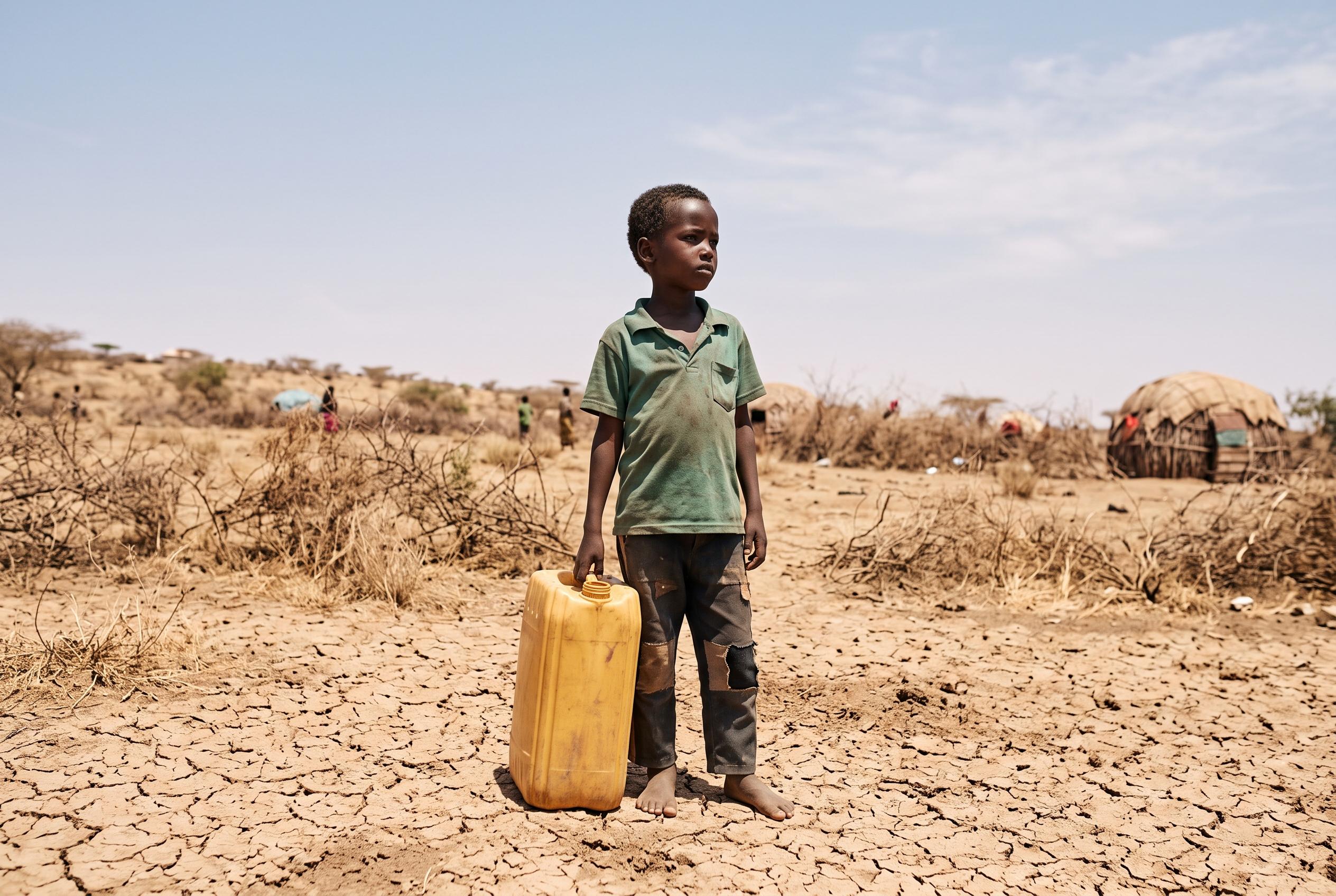

MSF warns that acute child malnutrition is rapidly increasing in Baidoa, Somalia, driven by drought, insecurity, and reduced international aid, risking a wider famine crisis that demands urgent global response.
Médecins Sans Frontières has warned that acute child malnutrition is spreading through Baidoa in southern Somalia, where conflict, displacement and drought have combined to leave families with too little food, water or access to care. The aid group said half of children in the city are suffering from acute malnutrition and a quarter of those under 5 are severely malnourished, based on screenings of 21,000 children since the start of the year and a July survey of displaced households presented in Nairobi.
MSF health adviser Mitchell Sangma said the situation on the ground showed a basic shortage of necessities, while epidemiology manager Chenoa Sankar said the charity was seeing a growing number of medical complications and more admissions to its therapeutic feeding services. According to the survey of 888 households in 14 displacement camps in Baidoa, a third of families were surviving on just one meal a day, and none reported regular access to meat, poultry, fish, vegetables or fruit.
The crisis is being driven in large part by drought. The United Nations has said the dry spell has caused 90% of Somalia’s 500,000 displacements in the first quarter of the year, with women and children making up the vast majority of those uprooted. MSF said the lack of food has been compounded by insecurity in and around Baidoa, where Somali forces are fighting al-Shabaab and also, in smaller measure, troops loyal to a regional leader removed by the federal government after a political dispute.
Allara Ali, MSF’s project coordinator in Somalia, said access to communities outside certain areas remains difficult even if it is not completely cut off, and warned that Baidoa reflects a wider collapse in services across conflict-hit parts of the country. She urged international donors to act before famine is formally declared, saying delays risk costing lives at a time when emergency funding has been sharply reduced by the United States and several European governments since 2025. Somalia’s federal government declared a state of emergency over drought in November 2025, its first such move since 2022, as aid agencies again warned of a food crisis 15 years after the 2011 famine that killed nearly 260,000 people.
Disclaimer: This content is for informational purposes only and is not intended to be a substitute for professional medical judgment, advice, diagnosis, or treatment.